
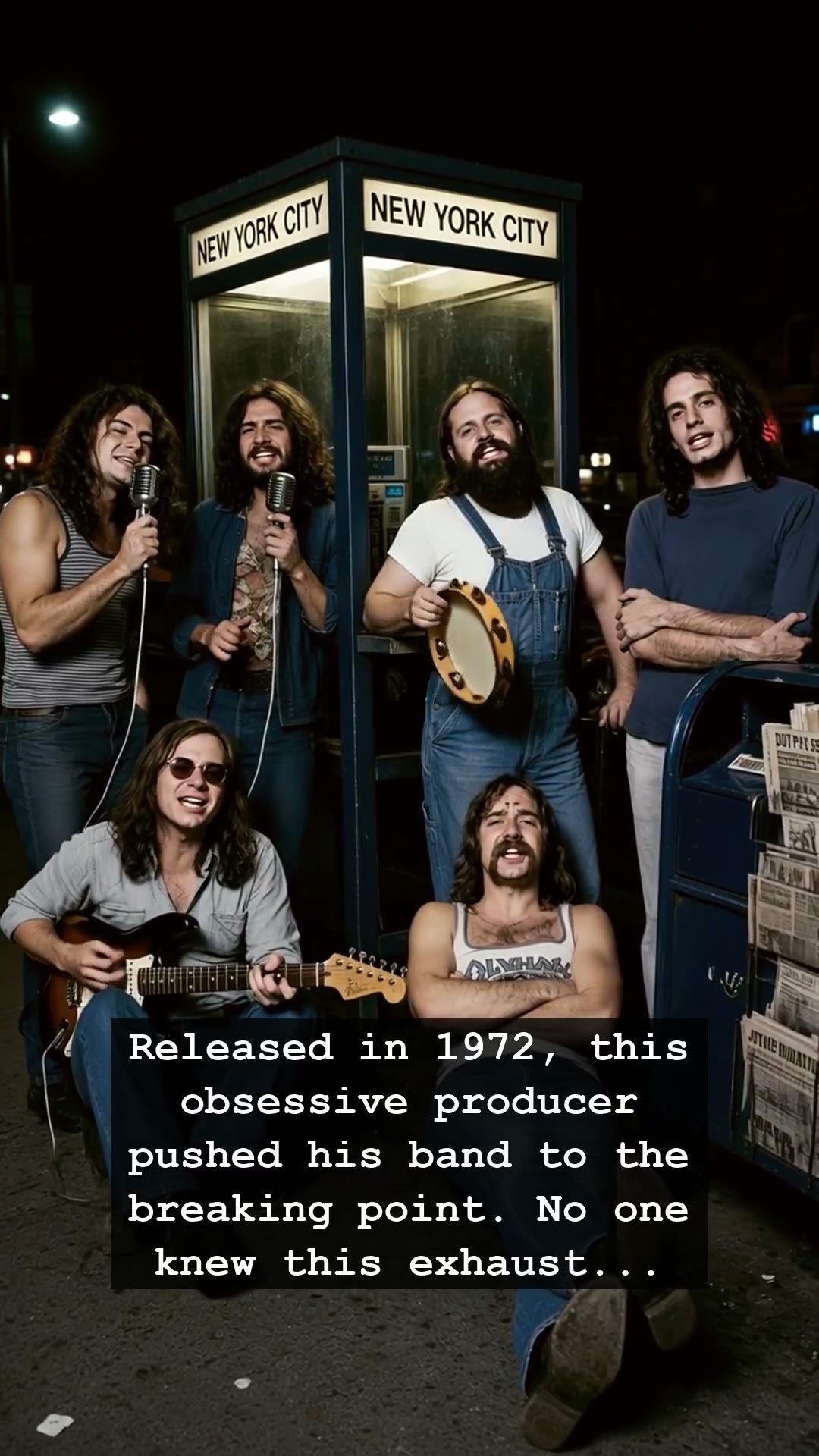
In the golden age of the 1970s, when the air was thick with the scent of vinyl and the promise of revolution, a quiet, obsessive perfectionism was taking root in the recording studios of Los Angeles. As the year 1972 dawned, Walter Becker and Donald Fagen were not just making an album; they were engaging in a psychological endurance test. At the helm of this experiment stood Gary Katz, a producer whose demand for absolute, unrelenting precision pushed the band to the breaking point. While the world was busy dancing to radio hits, inside the studio, a masterpiece was being forged in the fires of frustration.
Gary Katz was not your average producer. He possessed a vision of sonic clarity that transcended the era’s standard production techniques. For Steely Dan, this meant that every vocal take, every guitar lick, and every drum fill was subject to his microscopic scrutiny. It was a time when the Jukebox culture was shifting toward the immersive experience of the full-length studio record, and Katz understood that the listener deserved nothing less than flawless execution. Yet, this pursuit of the perfect take often left the band members exhausted, questioning whether their artistic spirit could survive such rigid technical standards.
To understand the drama, one must look at the atmosphere of the early seventies. This was a transition period where the raw energy of the sixties was being polished into the sophisticated jazz-rock fusion that defined Steely Dan. Gary Katz acted as the conductor of this madness, orchestrating sessions that would drag on for days. It was a high-stakes game of attrition where the line between brilliance and madness blurred. Members cycled in and out, unable to match the intense, surgical approach that Gary Katz demanded to capture the essence of their sound on tracks like Do It Again.
Why does this story still resonate with us today, decades after the Walkman made portable music a reality? It speaks to our deep-seated need for authenticity and the struggle of the creator. In a modern world saturated with digitized, auto-tuned perfection, the story of Gary Katz and his iron-willed production style reminds us of a time when perfection had to be earned through sweat, late nights, and intense personal conflict. It wasn’t just music; it was a grueling labor of love that created textures and depths we still uncover every time we drop the needle on a vintage pressing.
Looking back, we realize that the friction between the band’s organic creativity and the cold, calculated perfectionism of Gary Katz was the catalyst for greatness. Without that agonizing tension, the sound that defined a generation might have been forgotten in the shuffle of history. Whether you are a die-hard audiophile or a casual listener of classic rock, the legacy of these sessions remains a testament to the idea that sometimes, you have to break the machine to make it work perfectly. Next time you listen to those crisp, haunting chords, remember the ghosts in the machine who suffered to ensure you would hear every note exactly as it was meant to be.