
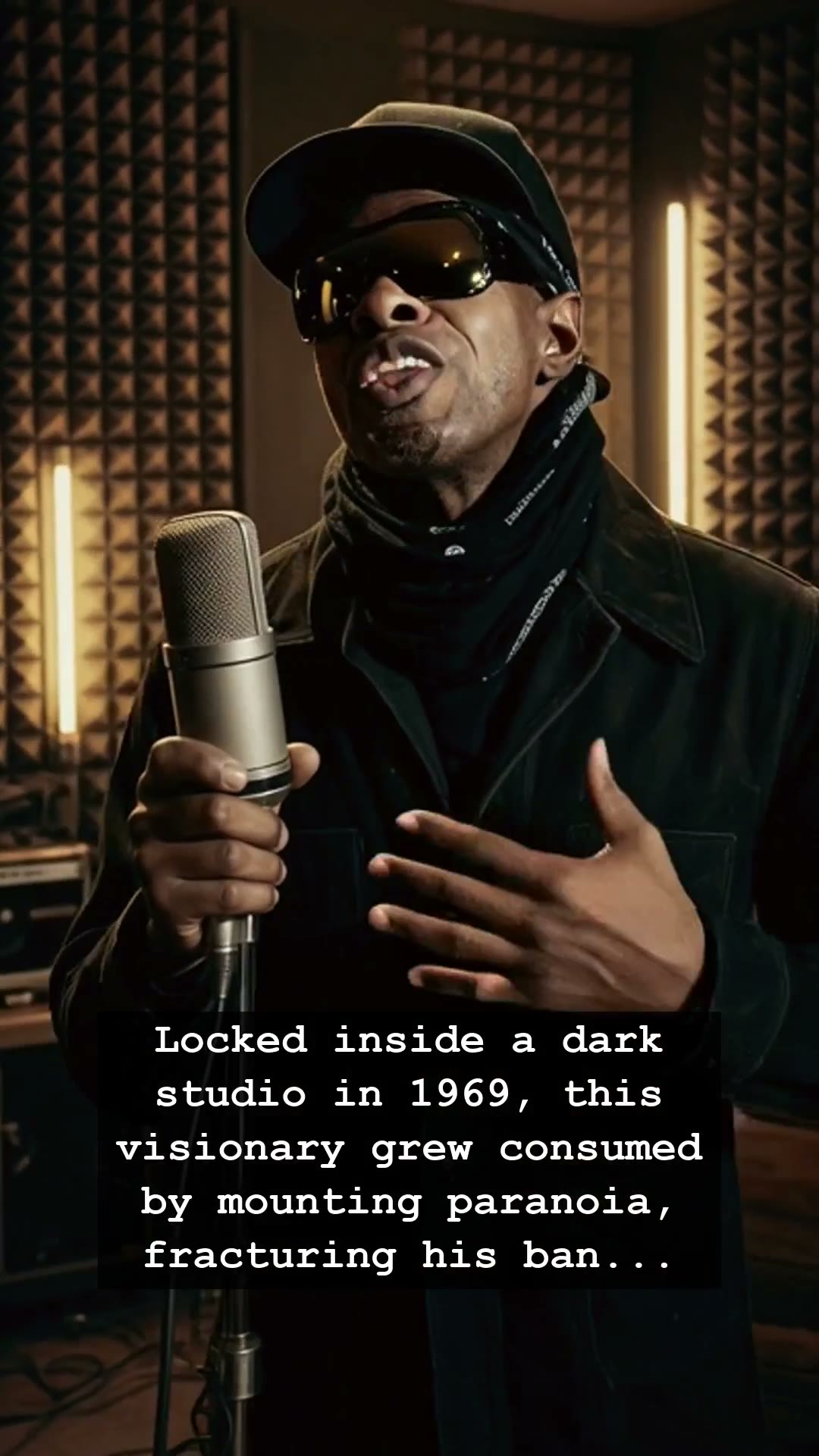
In 1969, the world was vibrating with the idealistic frequency of Woodstock, a neon-colored dream of peace and love. Yet, within the soundproofed walls of a Los Angeles studio, the architect of that funk-infused utopia was slowly dismantling his own reality. Sly Stone, the visionary frontman of Sly and the Family Stone, had begun his descent into a suffocating, drug-fueled paranoia that would ultimately shatter the most progressive band in American history. While the rest of the world danced to the groove of Everyday People, the man behind the music had retreated into a bunker of isolation, leaving behind a legacy as haunting as the records he produced.
At the height of their influence, Sly Stone was not just a musician; he was a cultural force who bridged racial divides through a seamless blend of gospel, soul, and psychedelic rock. But by the time the band was recording the follow-up to their massive success, the atmosphere had shifted. The utopian dream of the 1960s was curdling, and Sly was the first to feel the sting of the crash. He stopped showing up for shows, missed critical recording sessions, and when he did appear, he was often accompanied by bodyguards and an aura of profound distrust. The studio became his fortress, a place where paranoia replaced the collaborative joy that had defined their earlier hits.
Witnesses describe a frantic, tense environment during the late-sixties sessions. Sly Stone, once the charismatic leader of an integrated, gender-diverse collective, became a prisoner of his own success. He began locking the studio doors, armed with a loaded handgun, obsessively scrutinizing the people in his inner circle. This wasn’t the sound of an artist perfecting his craft; it was the sound of a genius unraveling under the immense pressure of fame and the heavy influence of cocaine and PCP. The family dynamic within the band, once a testament to communal harmony, fractured under the weight of his volatile temper and unpredictable absences.
This tragic turning point serves as a stark reminder of the dark side of the 1960s dream. While the youth culture was listening to the radio or playing 45s on their Jukebox, they were unaware that their hero was lost in a labyrinth of suspicion. The internal conflict that destroyed the band wasn’t just a personal failing; it was a symptom of an era that promised liberation but often delivered isolation. The music that emerged during these years—tense, edgy, and profoundly sophisticated—reflects this internal turmoil, a sonic blueprint of a man fighting demons that no amount of platinum records could silence.
Decades later, the tragedy of Sly Stone remains a cautionary tale in rock and roll history. We listen to his iconic funk anthems and marvel at the technical brilliance, but there is always a ghost in the machine. His story reminds us that even the most vibrant visionaries are susceptible to the crushing weight of their own creation. As we look back on the era of psychedelia and soul, it is essential to remember the person behind the sound, whose brilliance was as undeniable as the darkness that eventually eclipsed it. His music survives as a testament to what could have been, had the dream not been locked away in the shadows of a studio.