
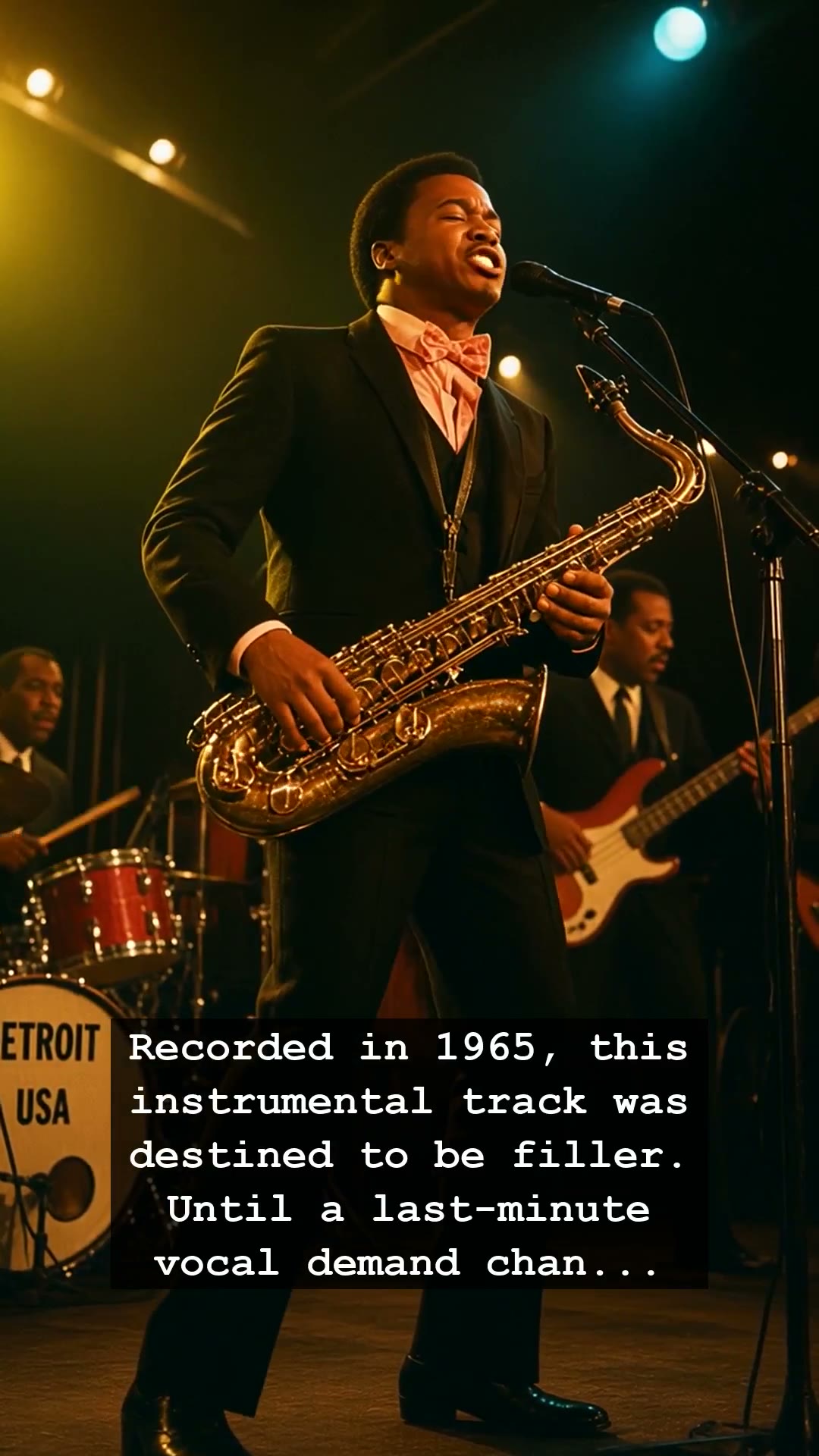
Picture the smoke-filled, high-tension atmosphere of a Detroit recording studio in 1965. The air was thick with the scent of floor wax and the relentless ambition that defined the Motown machine. Junior Walker, a saxophonist with a tone so gritty it could tear through steel, stood before his band, the All Stars. They had been grinding away at a track titled Shotgun, an instrumental piece designed as nothing more than a rhythmic filler for their upcoming set. It was raw, punchy, and possessed a driving beat, but to the industry ears of the time, it was just another instrumental waiting to be forgotten on the B-side of a record.
Then, the doors swung open and Berry Gordy, the visionary yet demanding head of Motown, stepped into the session. He listened to the groove and saw something the musicians had missed—the potential for a crossover explosion. In a moment that would dictate the course of rhythm and blues history, Gordy demanded that the track needed lyrics. Junior Walker, a man who spoke more fluently through his saxophone reeds than through a microphone, was suddenly thrust into the role of a vocalist. He had to invent the words on the spot, crafting a vocal performance that was as breathless and urgent as his horn playing.
This was the era when the Jukebox ruled the American landscape, and every note had to fight for its survival against the backdrop of the British Invasion and the rising tide of soul music. Shotgun was not meant to be a masterpiece, but it became exactly that. Junior Walker barked out the lyrics, his voice strained and authentic, perfectly complementing the stuttering, wailing tenor saxophone melody that anchored the song. It was a beautiful disaster, a collision of improvised creative pressure and pure, unadulterated talent that resonated with the restless youth of the mid-sixties.
When the track finally hit the airwaves, it didn’t just climb the charts; it crashed into them, peaking at number four on the Billboard Hot 100. It transformed Junior Walker from a regional saxophone virtuoso into a national sensation. This moment captures the very soul of the Motown era—a time when hit records were born from spontaneous combustion in small studios, fueled by the relentless demands of label bosses and the sheer genius of artists pushed to their breaking points. It was the birth of a sound that defined the mid-sixties, blending R&B grit with the polished commercial appeal that would come to define the Motown sound.
Decades later, the legacy of Junior Walker and the unexpected birth of Shotgun continues to echo. It reminds us that sometimes, the best art comes not from careful, calculated planning, but from those frantic, last-minute decisions made under the white-hot lights of pressure. Whether you heard it spinning on a vintage record player or caught it on a classic soul compilation, the track remains a testament to an artist who could make his instrument cry and his voice roar. Next time you drop the needle on this Motown classic, listen closely for that desperation in the vocal—it is the sound of music history changing in a heartbeat.