
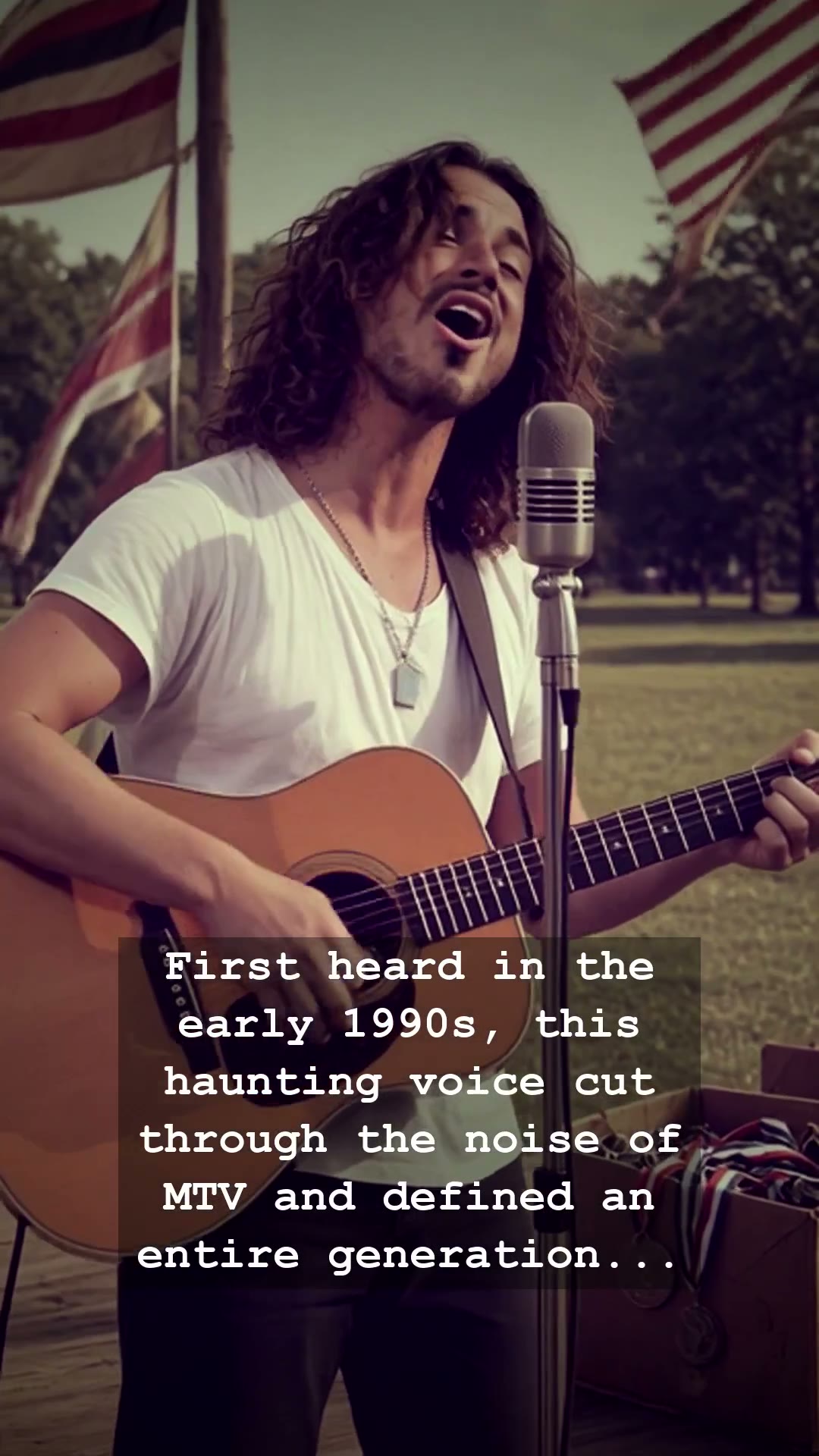
In the early 1990s, the airwaves were crowded with the polished, neon-soaked aesthetics of late-eighties excess. Then, like a thunderstorm breaking over the Seattle skyline, a four-octave voice tore through the static of MTV. It was raw, it was desperate, and it was undeniably authentic. Chris Cornell was not just another frontman; he was the sonic architect of a movement that redefined rock music forever. For those of us who spent our youth obsessing over flannel shirts and the jagged, distorted riffs of the era, the name Chris Cornell remains synonymous with a specific kind of beautiful agony.
Soundgarden, the band he helped forge from the gritty underbelly of the Pacific Northwest, became the torchbearer for what we now recognize as the Grunge era. While the mainstream was still catching its breath from the fading echoes of synth-pop and glam metal, Chris Cornell stood center stage, his powerful, gravel-stained vocals cutting through the noise like a razor. There was a haunting weight to his delivery that felt deeply personal. Whether he was wailing on the tracks of Badmotorfinger or channeling pure soul into Superunknown, you could hear the cracks in his armor. He sang with a vulnerability that transformed his lyrics from mere songs into anthems for the disillusioned generation.
Behind the sold-out stadium shows and the heavy rotation on MTV, the life of Chris Cornell was marked by a relentless pursuit of artistic truth. He was a master of contrast, blending the heavy, sludge-filled riffs that defined the Seattle sound with a melodic sensibility that felt almost timeless. His ability to navigate the complex landscape of his own psyche through song made him a beacon for fans who felt lost in the post-Cold War world. Yet, as history often reminds us, the brightest lights are often the ones fighting the darkest shadows. The pressures of fame, the weight of expectations, and the isolation that often accompanies legendary status created a complicated portrait of a man who was as fragile as he was formidable.
Decades later, the resonance of his music has not dimmed. We still remember the way the world seemed to stop when we first heard his voice through the speakers of a bedroom Walkman or during a late-night music video marathon. It was a sound that didn’t just demand your attention; it demanded your empathy. Chris Cornell captured the essence of a transitional decade, bridging the gap between the stadium rockers of the past and the introspective artists who would follow in his wake. His legacy is woven into the very fabric of rock history, leaving behind a catalog of work that serves as a visceral reminder of a voice that could scale the highest peaks and plumb the deepest emotional valleys.
Today, we look back at the era of Grunge not just as a musical trend, but as a cultural awakening. Chris Cornell was the heart of that movement, a reluctant icon who gave a voice to the silent struggles of millions. Even now, hearing his voice echo through a track feels like greeting an old friend who left the party too early. While the man himself is gone, the soul he poured into his music remains, a permanent fixture in the soundtrack of our lives that continues to define the spirit of rock and roll for generations to come.