
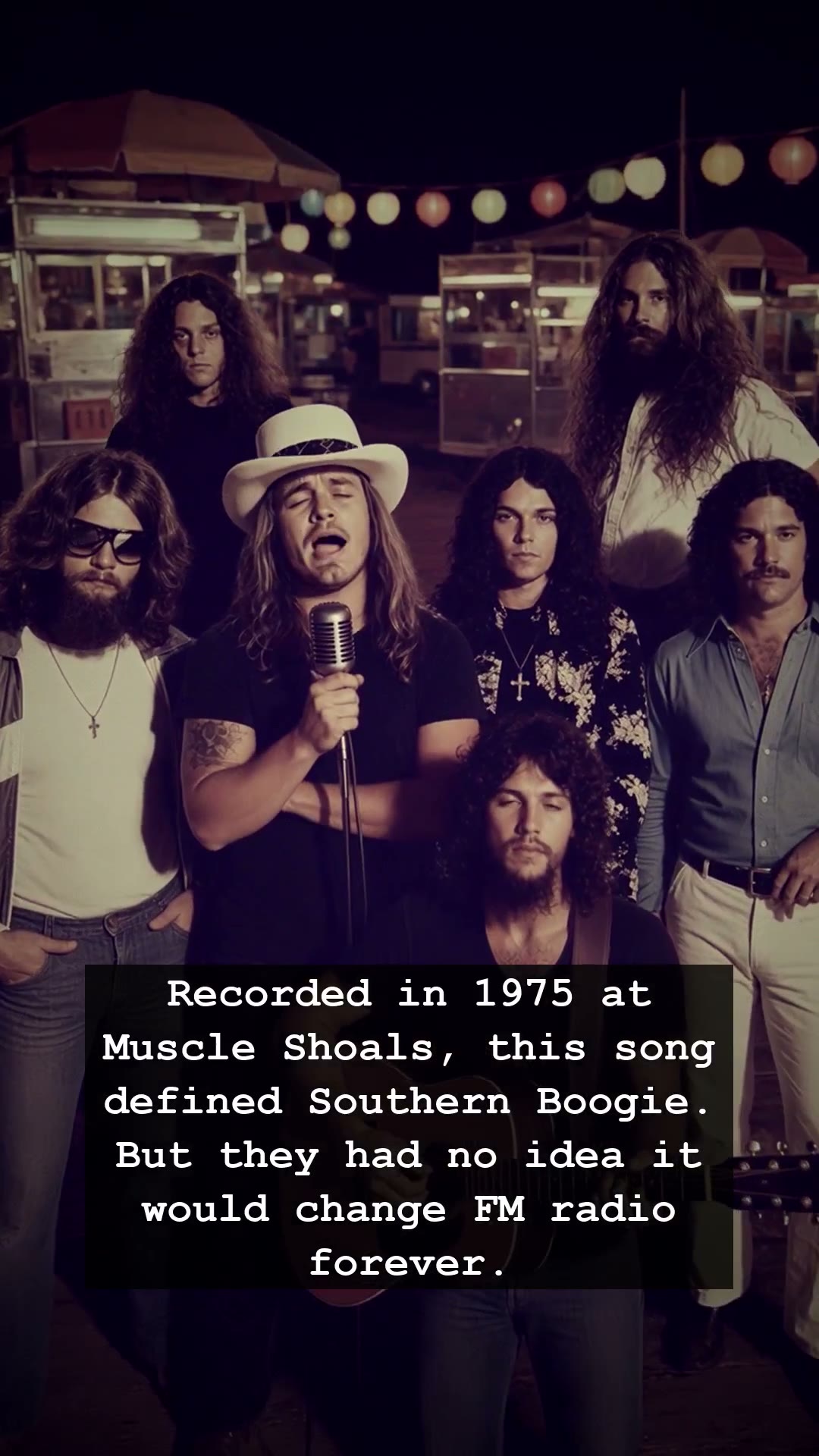
The year was 1975, and the humid air inside the Muscle Shoals Sound Studio was thick with the scent of cheap whiskey and the restless ambition of young men from Jacksonville. Lynyrd Skynyrd was there, not just to record a track, but to capture the raw, untamed heartbeat of the South. As the piano keys hammered out a relentless, driving rhythm, the band had no inkling that they were crafting a sonic blueprint that would permanently alter the landscape of FM radio. It was a moment of lightning in a bottle, a high-octane boogie-rock anthem that felt as dangerous and electric as a summer thunderstorm over the Florida swamps.
Lynyrd Skynyrd was never just another rock band; they were a cultural phenomenon that bridged the gap between the gritty delta blues and the high-volume excess of the seventies. Frontman Ronnie Van Zant possessed a voice that sounded like gravel and honey, a vessel for the working-class soul of a generation. During those Muscle Shoals sessions, the band locked into a groove that was pure Southern swagger. They were perfecting a sound that would soon emanate from every jukebox in every dive bar across America, fueling the engines of teenage rebellion and road-trip anthems that define the era for many of us even today.
Yet, beneath the boogie-rock exterior lay a dark and haunting undercurrent of tragedy. The very lifestyle that Lynyrd Skynyrd championed—the relentless touring, the hard living, and the obsession with the road—would eventually claim the lives of several key members in a devastating plane crash just two years later. That 1977 disaster silenced one of the most promising voices in rock history, instantly elevating their catalog from mere radio hits to sacred relics of a lost time. The songs recorded at Muscle Shoals serve as a chilling, beautiful time capsule, capturing the band at the absolute zenith of their creative powers before the shadows closed in.
To listen to Lynyrd Skynyrd today is to step back into a world where MTV was merely a flicker in the eyes of executives and the Walkman was the ultimate status symbol of personal freedom. Their music was the soundtrack to a period of radical shifts in American identity, where rock music was the only common language shared by those who felt left behind by the disco glitter of Studio 54. The legacy of their Southern boogie isn’t found in a museum, but in the way the music still forces you to turn up the volume when it hits the airwaves, reminding you of a time when rock and roll was dangerous, vital, and undeniably real.
Even decades after their peak, the resonance of Lynyrd Skynyrd remains untarnished. They weren’t just playing notes; they were documenting a way of life that was rapidly fading into the rearview mirror. Whether you were there at the time or you are discovering them through the crackle of a worn-out vinyl record, their influence is etched into the DNA of every rock band that followed. As the final notes of their most iconic anthems fade, one cannot help but wonder what else might have been, had the plane not descended into that Mississippi forest. For now, we keep the music playing, honoring a band that truly defined the spirit of the open road.