
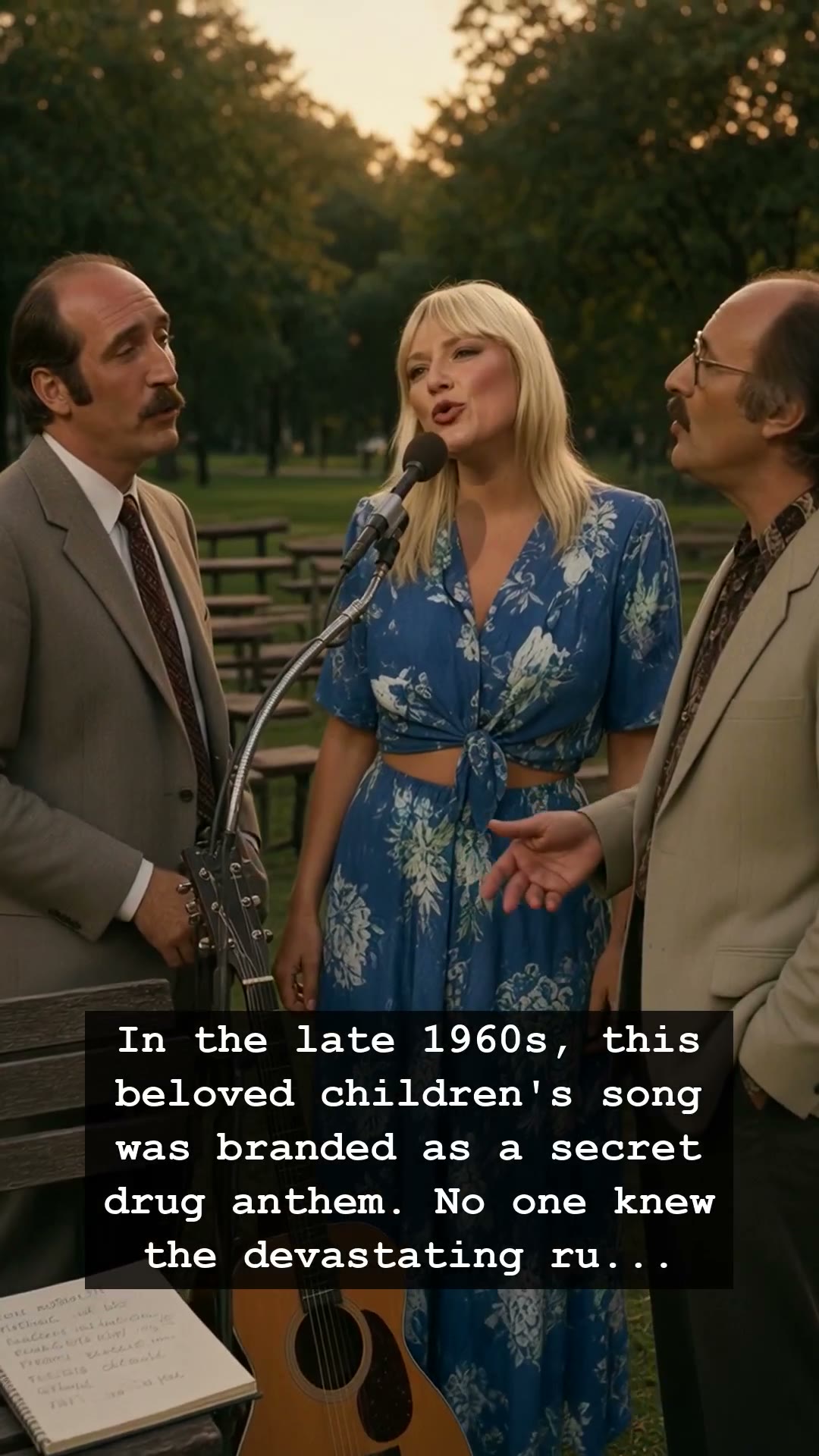
It was 1963, a year defined by the shifting tides of American culture, from the raw electricity of emerging folk festivals to the growing shadows of a nation in transition. On the radio, the gentle, acoustic harmonies of Peter, Paul and Mary filled living rooms across the country, offering a sense of hope and innocence. Among their most cherished tracks was Puff the Magic Dragon, a whimsical ballad that seemed tailor-made for children. Yet, as the decade progressed, a sinister whisper began to circulate through high schools and college dorms. Rumors spread like wildfire that the lyrics were not about a dragon in a land called Honalee, but were instead a coded, psychedelic ode to marijuana use. For a trio built on the foundations of social consciousness and folk purity, the accusation was a devastating blow that would haunt them for decades.
The urban legend claimed that the name Puff referred to smoking, the dragon Jackie Paper was a reference to rolling papers, and the magical land of Honalee was a code for a drug-induced paradise. Despite the band’s vocal insistence that the song was simply a poetic reflection on the inevitable loss of childhood wonder, the stigma stuck. Peter Yarrow, Paul Stookey, and Mary Travers found themselves in an unwanted spotlight. During an era where the counterculture was rapidly embracing the subversive power of music, being labeled as icons of the drug scene was both a commercial blessing and an artistic nightmare. They spent years fighting to restore the song’s reputation, often feeling that the true meaning of their craft had been hijacked by a generation searching for hidden layers where none existed.
This incident captures the peculiar paranoia of the mid-sixties, a time when parents feared the influence of the burgeoning youth movement and the media was obsessed with decoding every lyric for signs of rebellion. While the trio continued to headline major venues and remained pillars of the folk scene, the shadow of that drug rumor lingered. It serves as a poignant reminder of how fragile artistic legacy can be once it enters the public consciousness. In the age of the transistor radio and the early days of televised music performances, a single false narrative could travel faster than a hit record, irrevocably altering the perception of an artist’s work.
Today, looking back at the legacy of Peter, Paul and Mary, we see a group that navigated the turbulent waters of fame with integrity and grace. Their music remains a time capsule of a fading American innocence, a gentle contrast to the harder, more experimental sounds that would follow. The controversy over Puff the Magic Dragon has largely faded into the annals of music trivia, yet the story remains a fascinating case study in how cultural myths are born. It reminds us that behind every classic song lies a human history, often marked by misunderstandings and the relentless pressure of a changing world.
As we listen to those iconic vocal harmonies today, the song feels less like a coded message and more like a universal lament for the magic we leave behind as we grow older. Whether you first heard it on a worn vinyl record or in a quiet moment of nostalgia, the music of Peter, Paul and Mary continues to resonate with a haunting beauty. They were never just singers; they were the storytellers of a generation. The next time you hear that familiar melody, try to look past the old rumors and remember it for what it truly is: a timeless masterpiece of folk storytelling.