
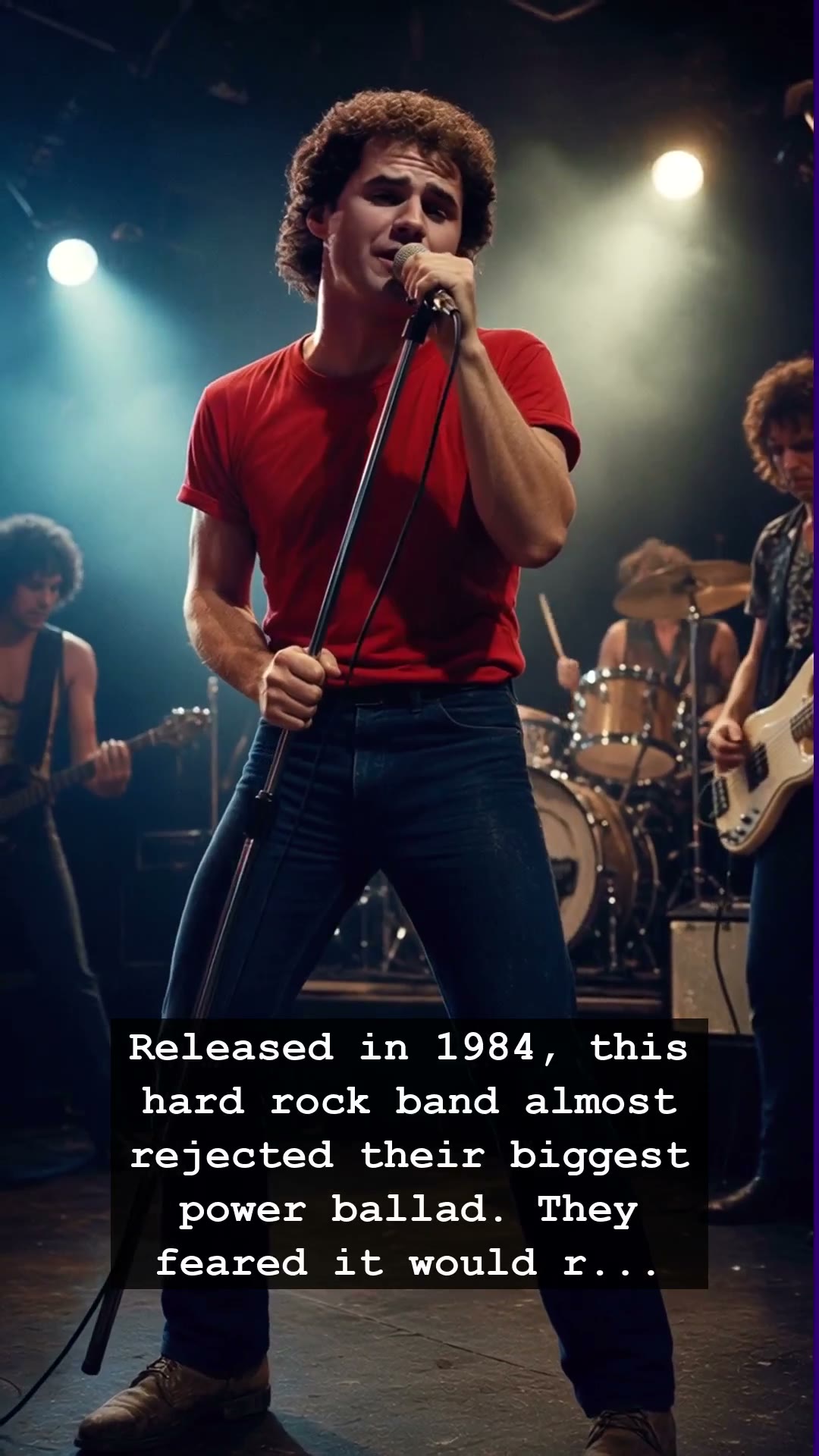
It was 1984, a year when neon lights hummed and the flickering glow of MTV brought rock stars directly into our living rooms. At the center of this transformation was Night Ranger, a band riding the crest of a hard-rocking wave. Yet, behind the scenes, the group found themselves paralyzed by a classic dilemma of the era: the fear of being labeled soft. The song that would eventually define their entire career, Sister Christian, was nearly relegated to the scrap heap of history because the band members were terrified it would destroy their tough-guy image.
For a band known for high-octane stage energy and gritty guitar riffs, the slow-burning, piano-led ballad felt like a dangerous departure. They were worried that a softer sound would alienate their core audience—the leather-clad fans who frequented the clubs where the heavy, distorted sounds of hard rock ruled the night. The tension within the band was palpable, mirroring the internal conflicts of many artists caught in the shifting sands of 1980s music. They were standing at a crossroads where artistic integrity battled against the commercial machine, a struggle that defined the grit of the decade.
When Night Ranger finally relented and released the track, the response was nothing short of seismic. Driven by an iconic music video that found heavy rotation on MTV, Sister Christian bypassed the band’s reservations and became a cultural touchstone. It transformed from a feared artistic gamble into an anthem that resonated in every suburban bedroom, high school dance, and radio station across the country. The power ballad became a symbol of a generation, proving that even a band with a reputation for being tough could capture the fragile, emotional core of its listeners.
Looking back, the success of Sister Christian feels almost predestined, a classic piece of pop-culture history that reminds us how thin the line is between a total failure and a legendary hit. The song remains a masterclass in the art of the 1980s power ballad, characterized by its dramatic builds and that unmistakable drum transition that still gets heads nodding four decades later. It perfectly captured the ambition and the vanity of the era, standing alongside the rise of the Walkman and the neon-soaked aesthetics that defined the mid-eighties.
Today, the story of Night Ranger and their accidental masterpiece serves as a poignant reminder that the most enduring art often comes from moments of profound insecurity. The band eventually learned that being authentic meant embracing the softer side of their sound, a realization that allowed them to cement their legacy in the annals of classic rock. When you hear those opening piano chords today, you are not just listening to a song; you are hearing the echo of a band that nearly lost its way, only to find it through a risk they were almost too afraid to take. Next time you catch the melody on the radio, remember the quiet struggle behind the scream of the guitar.