
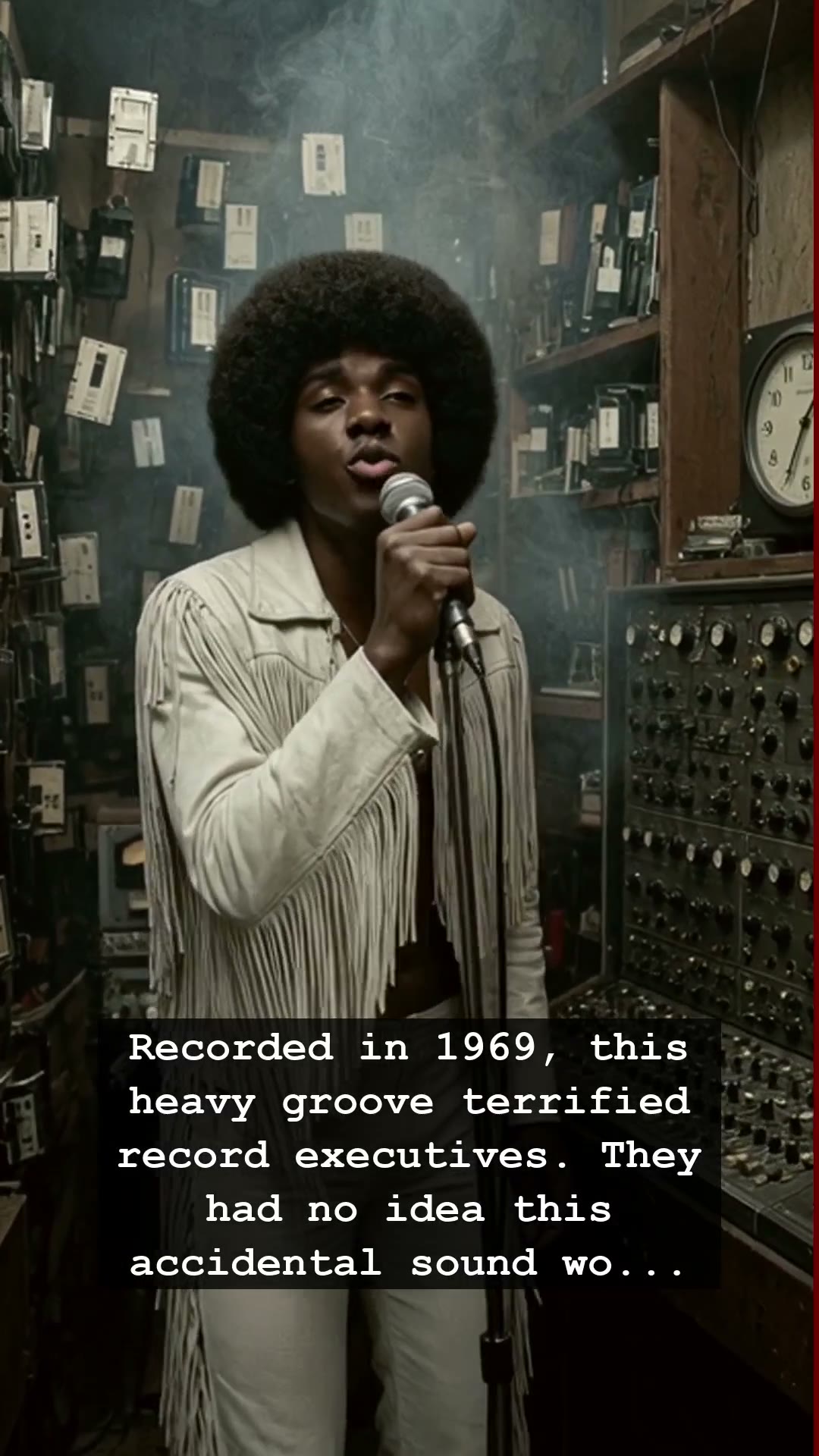
In the sweltering heat of 1969, a group walked into a recording studio and inadvertently broke the sound barrier of modern music. To the suit-and-tie record executives waiting outside, the noise vibrating through the studio walls was not just weird; it was genuinely terrifying. They heard a strange, popping bass line that defied every rhythmic rule of the era. It was unrefined, heavy, and chaotic. They had no idea that this accidental sonic experiment by Sly and the Family Stone would not only alienate the industry gatekeepers but go on to invent the blueprint for modern American funk.
Sly Stone was never interested in following the polished, clean-cut Motown formulas that dominated the airwaves. By 1969, the air was thick with the scent of rebellion, incense, and the lingering energy of Woodstock. Sly and the Family Stone were a multi-racial, multi-gender collective that reflected the raw tension of a changing America. When they captured that heavy, syncopated groove, they were stripping away the artifice of pop music. The bass didn’t just carry the rhythm; it became the heartbeat of the track, pushing forward with a raw aggression that felt dangerous to those who preferred the melodic comfort of the early sixties.
That specific, distorted popping sound was a happy accident born of creative obsession and late-night studio fatigue. Larry Graham, the band’s bassist, was forced to adapt because the band lacked a drummer at a crucial moment. By slapping and pulling the strings, he created a percussive, percussive-forward style that filled the void left by the absent percussion. When those tracks hit the jukeboxes of the nation, the ground shifted. Listeners were suddenly thrust into a sonic landscape that felt like a bridge between the soul music of yesterday and the experimental rhythms of tomorrow. It was music that demanded to be felt in the chest.
Beyond the studio walls, the rise of Sly and the Family Stone mirrored the volatility of the decade. The band stood as a beacon of progressiveness, yet their internal dynamics were as complex and volatile as the music they produced. The pressure of stardom, the weight of their cultural impact, and the descent into the darker corners of fame took their toll. Their story remains a vivid illustration of how the brightest stars often burn the quickest. Yet, even as the personal dramas and the chemical haze of the era began to cloud their trajectory, the music remained untainted and timeless.
Today, you can still hear the DNA of that 1969 session in almost every modern track that features a groove. From the synth-pop textures of the eighties to the complex arrangements of modern hip-hop, the legacy of Sly and the Family Stone is etched into the history of American music. It reminds us that sometimes, the greatest artistic breakthroughs occur when we stop trying to please the executives and start playing the sounds that rattle our own bones. Do you remember the first time you felt that funk take hold, or is it time you revisited the band that changed everything?