
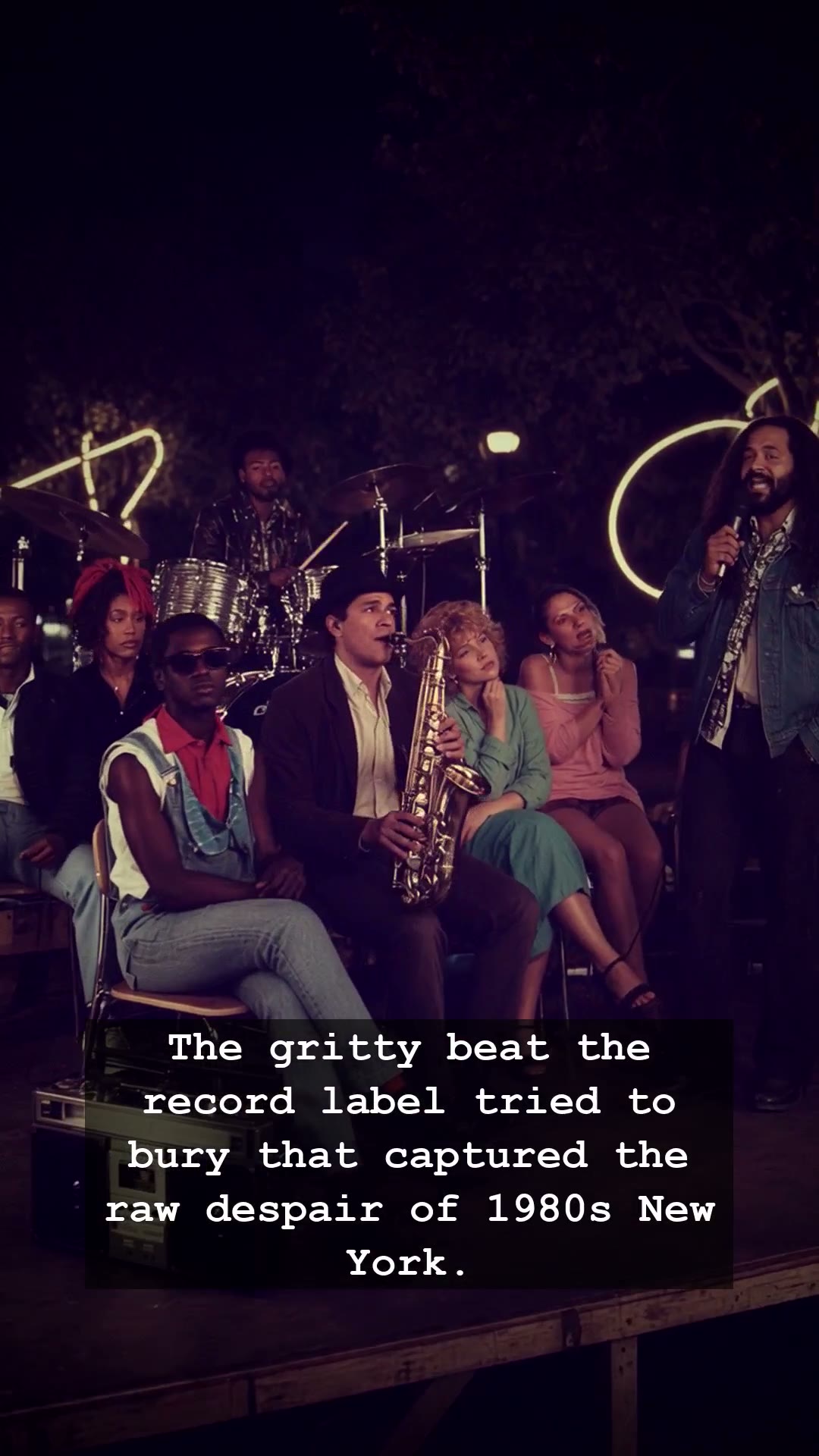
It was 1982, and the neon lights of Manhattan were flickering over a city on the edge of a nervous breakdown. In the smoky, dimly lit corners of a cramped New York City studio, a man named Duke Bootee was crafting a sound that would become the backbone of an urban revolution. Before the golden age of hip-hop reached the mainstream, the industry was polished, danceable, and safely superficial. But Duke Bootee had something else in mind—a gritty, pulsating beat that mirrored the raw despair, the crumbling infrastructure, and the suffocating pressure of a city left to rot. This was not music for the disco; this was a document of survival.
The record labels were terrified. When Duke Bootee first presented the skeletal, menacing track that would eventually become The Message, the executives at Sugar Hill Records were skeptical. They thought the youth wanted party anthems and lighthearted rhythms to play on their portable cassette decks. They could not fathom why anyone would want to hear about broken glass, welfare lines, and the constant fear of the streets. Duke Bootee, however, was adamant. He understood that music had to be a mirror to reality, not an escape from it. The track was almost buried in a vault, labeled too dark and too radical for radio play. It took a leap of faith to push it out into the world, and once the needle hit the groove, the landscape of American music shifted permanently.
Duke Bootee possessed a unique ability to translate the chaotic energy of the early eighties into a cohesive, haunting narrative. The synths were cold and clinical, the drums snapped with the force of a gavel, and the lyrics delivered a blunt, honest critique of the American Dream. Unlike the flamboyant disco acts fading away in the shadow of Studio 54, Duke Bootee provided the soundtrack for the forgotten. He transformed hip-hop from a genre of party-rocking DJs into a powerful medium for social commentary. It was a moment of profound artistic courage, one that paved the way for the socially conscious lyricism that would define the decades to follow.
Looking back, it is impossible to overstate the impact of Duke Bootee on the cultural zeitgeist. He captured a fleeting moment of urban anxiety that still resonates in the digital age. Whenever we hear that iconic, rhythmic pulse today, we are instantly transported back to the streets of the South Bronx. It is a testament to the fact that honest art, no matter how uncomfortable it makes the powers that be, will always find its audience and endure the test of time.
Decades later, the legacy of Duke Bootee remains a cornerstone of musical history. He dared to speak the truth when silence was expected. As the echoes of that 1982 masterpiece continue to influence modern production, we are reminded that sometimes, the greatest records are the ones the world almost never heard. The next time you find yourself listening to a beat that moves your soul, remember the man who stood against the grain to capture the heartbeat of New York.