
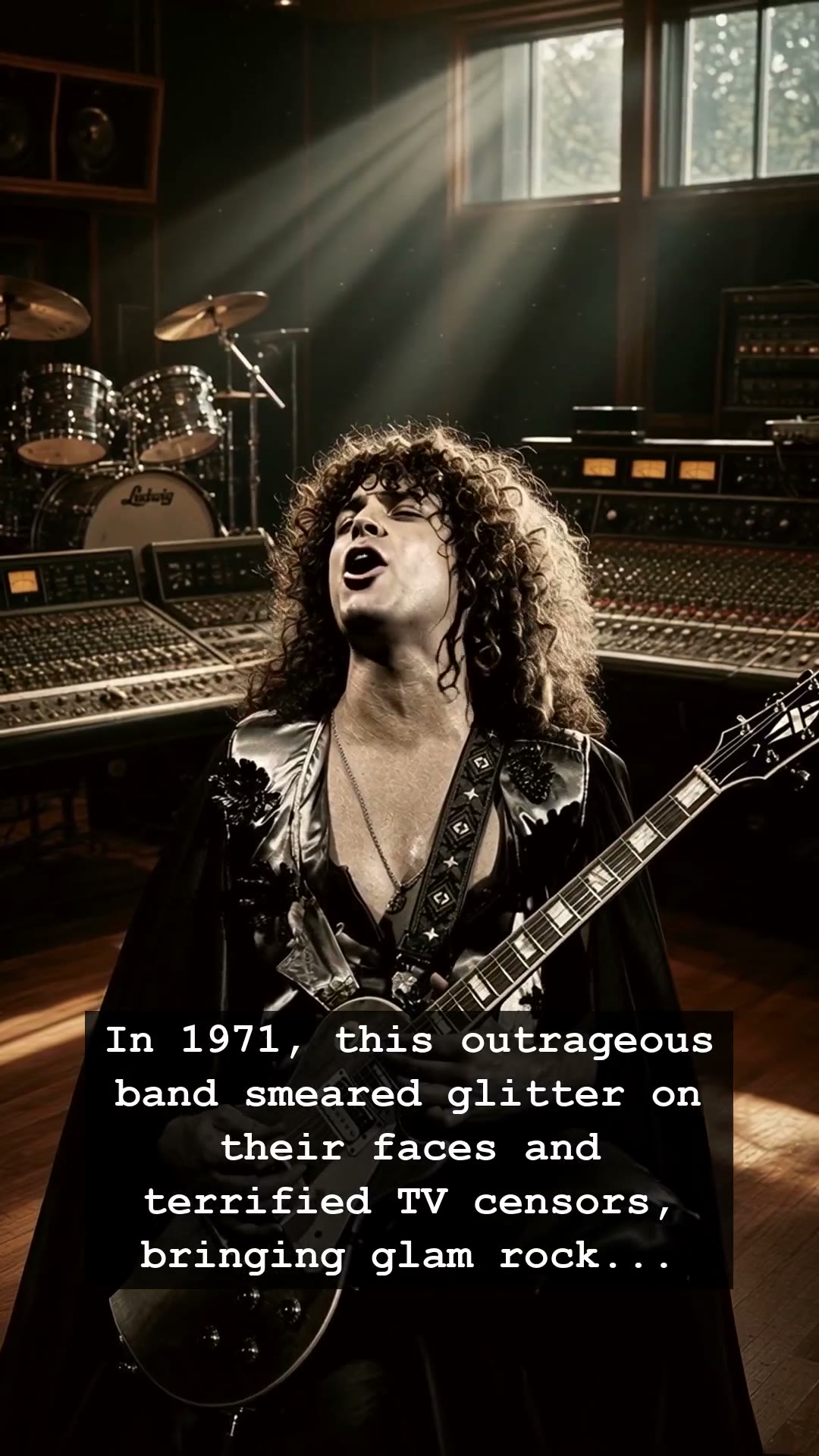
The year was 1971, a time when television was a conservative monolith, carefully curated to protect the sensibilities of the average living room viewer. Then came Marc Bolan and T. Rex. As they stepped onto the stage of Top of the Pops, the world changed in a flash of sequined chaos. Bolan, with glitter smeared across his cheekbones and a boa draped over his shoulder, looked like a creature beamed down from a velvet-covered planet. To the censors of the day, it was an act of subversion; to a generation of bored youth, it was a revolution. This moment did more than just launch a single; it ignited the glam rock explosion that would define the decade.
Before T. Rex crashed the mainstream, music was often synonymous with the folk-rock introspection of the late sixties. But Bolan brought a different energy. His signature electric sound, pulsating with the raw, tribal beat of hits like Get It On, felt dangerous. It was flamboyant, unapologetic, and decidedly strange. When those cameras focused on his glitter-dusted face, they captured the exact moment that pop music shed its skin. The television censors were baffled, but they were powerless to stop the tidal wave. T. Rex had hijacked the airwaves, and there was no turning back.
The drama behind the music of T. Rex was as intoxicating as their aesthetic. Marc Bolan was a visionary who operated in a world of high-concept fashion and occult fascination. Behind the scenes, the pressure of fame began to warp the edges of his reality. The transition from underground folk troubadour to the face of a glam movement was fraught with personal turmoil, excessive hedonism, and the inevitable frictions of band dynamics. Yet, even as the walls closed in, T. Rex continued to deliver anthems that felt like transmissions from another dimension, blending rock and roll grit with an ethereal, almost alien, charm.
Walking down memory lane today, it is impossible to ignore the impact T. Rex had on the culture of the seventies. They paved the way for everyone from David Bowie to the flamboyant punk acts that followed later in the decade. They turned the act of performing into a visual spectacle, proving that music wasn’t just something you heard through a transistor radio; it was something you saw, felt, and wore like armor. The glitter that terrified the censors back then remains a symbol of an era that dared to be truly, wildly different.
Even now, listening to the crackle of a vinyl record playing a T. Rex track brings that sense of wonder back to life. You can almost hear the hum of the studio equipment and the buzz of a generation ready to break the rules. Their music stands as a testament to a time when artists weren’t afraid to be polarizing or bizarre. As we look back through the lens of history, T. Rex stands tall not just as a band, but as the architects of a shimmering, unforgettable era. Do you remember the first time you saw the glitter?