
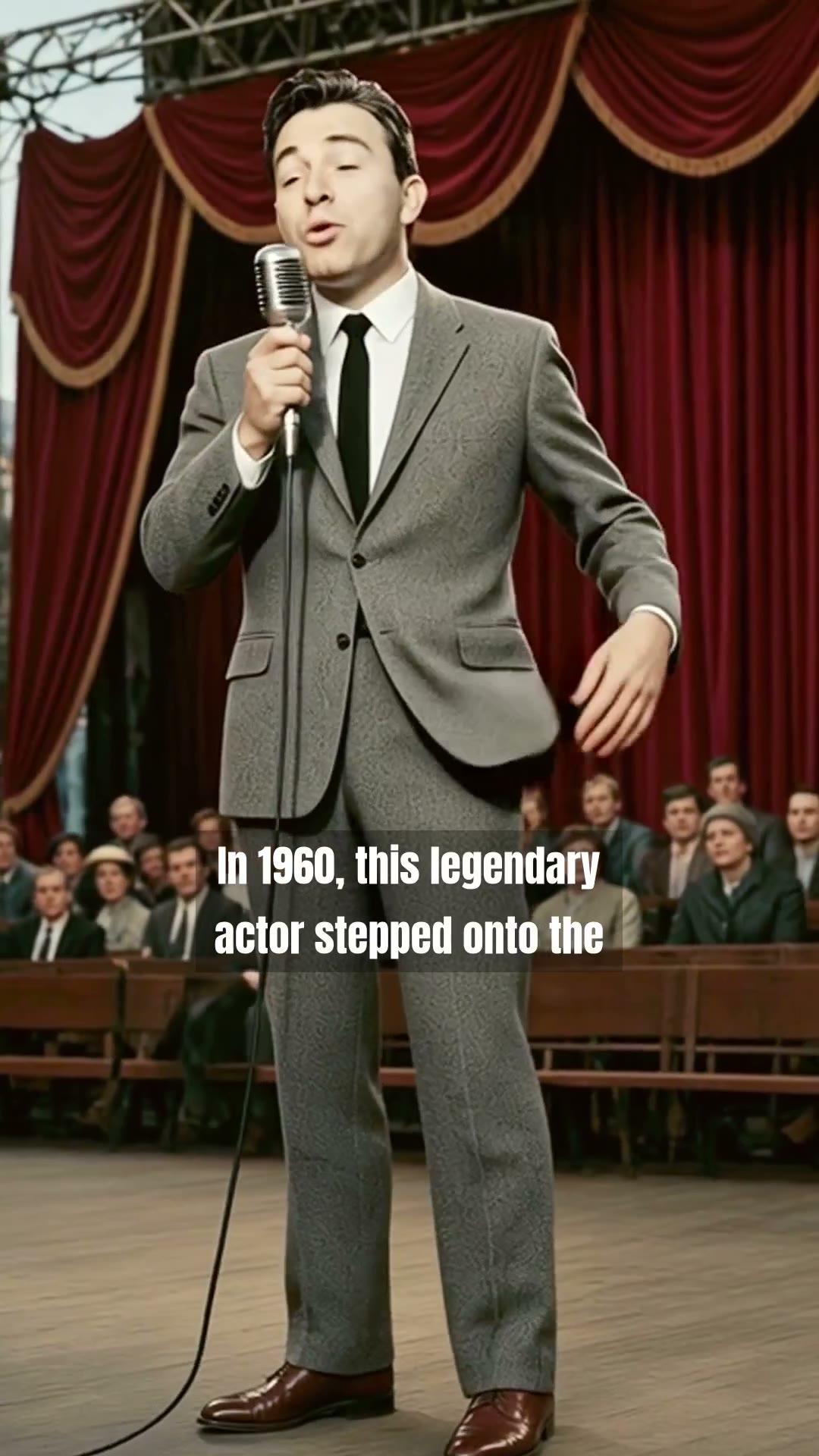
There is a specific, golden-hued warmth that emanates from the mid-century era, a time when the silver screen and the Broadway stage felt like two sides of the same celestial coin. In 1960, amidst the height of the Golden Age of Hollywood, a seismic shift occurred not in a film studio, but within the walls of the Majestic Theatre. It was here that Richard Burton stepped into the shoes of King Arthur for the musical Camelot. At the time, audiences were uncertain if this grandiose production would simply be another passing spectacle, yet what unfolded became one of the most enduring legacies in entertainment history, capturing the spirit of a generation that valued grand storytelling above all else.
Richard Burton was a force of nature, a man whose voice possessed the resonance of a cathedral and the raw, dangerous edge of a poet. Before his legendary partnership with Elizabeth Taylor made him a permanent fixture in the tabloid heavens, he was known for his commanding presence and his dedication to the craft of acting. His approach to the role of Arthur was not merely a performance; it was a masterclass in emotional vulnerability. He brought a sense of weariness and quiet nobility to the King, humanizing a mythological figure in a way that resonated deeply with post-war audiences who were looking for heroes with tangible, relatable flaws.
To think of Richard Burton on that stage is to summon the sensory memory of a bygone era. For those of us who recall the crisp sound of a vinyl record playing the original cast album or the excitement of catching a televised performance years later, Camelot serves as a portal. It represents a period when the lines between Method Acting and traditional theatrical stature were blurred by sheer charisma. Burton did not just sing or recite lines; he embodied the melancholy of a leader trying to hold a kingdom together, a reflection of the idealism and disillusionment that would characterize the decade to come.
It is fascinating to look back at how Richard Burton navigated the transition between the intimacy of the theater and the larger-than-life demands of blockbuster films. Throughout the 1960s and 70s, he remained a titan, even as the industry shifted toward the gritty aesthetics of the New Hollywood movement. Yet, the memory of his performance in Camelot remains untarnished by time. It exists in our collective memory like a favorite VHS tape that has been watched so many times the colors have faded, but the warmth of the story remains as vibrant as ever.
Today, as we look back at the Walk of Fame and the long lists of Oscar nominations that defined the careers of men like Richard Burton, we are reminded that true artistry is not measured by the number of tickets sold. It is measured by the emotional imprint left on the audience. Richard Burton’s contribution to the Golden Age was his ability to make the monumental feel intimate. Whenever we hear those opening bars of music, we are transported back to a time when magic felt real, and the stage was the only place to find it.