
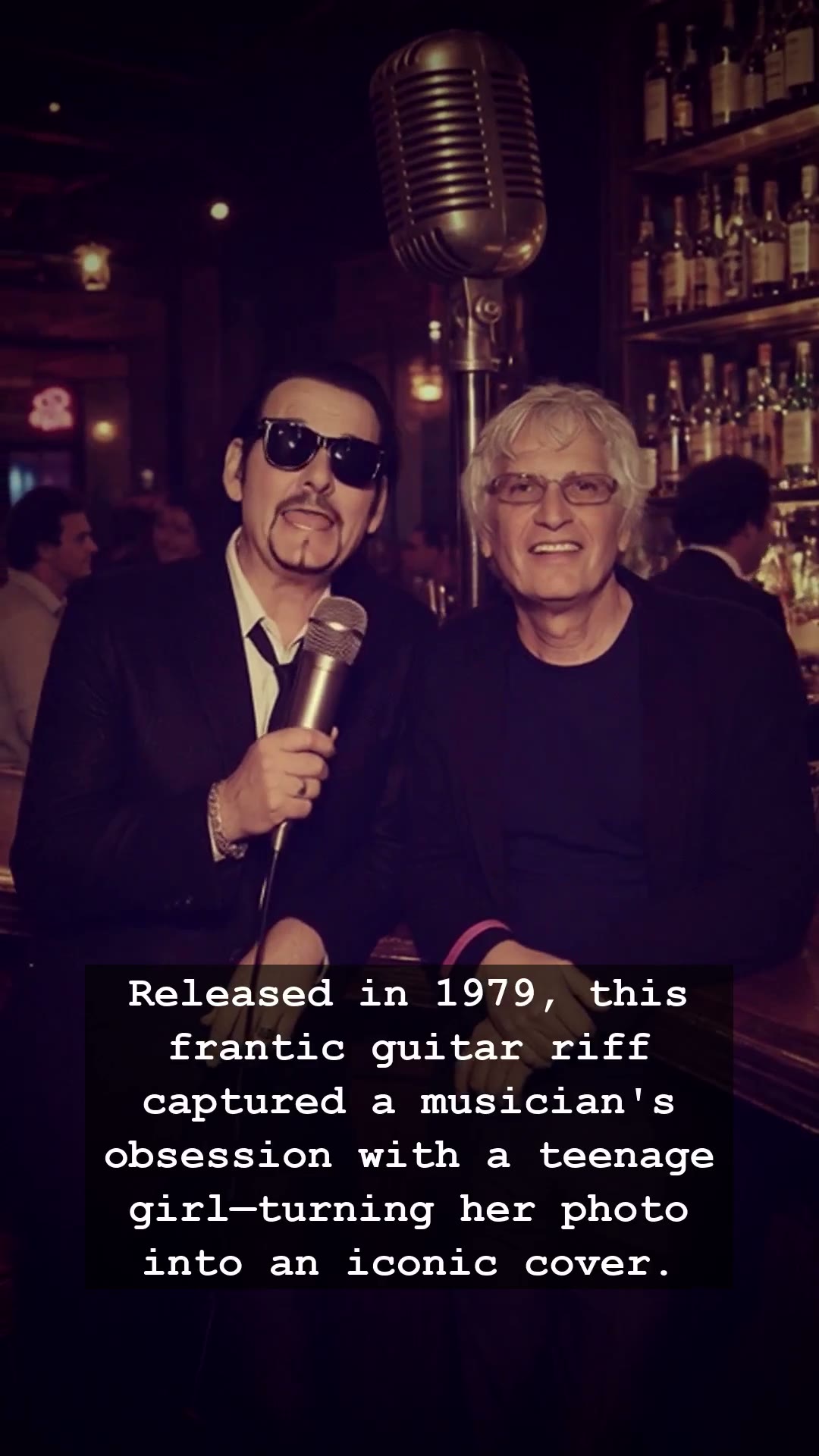
It was 1979, and the world was mid-transition from the velvet-draped hedonism of Studio 54 to the neon-soaked restlessness of the MTV era. Suddenly, a frantic, stuttering guitar riff cut through the radio static like a serrated blade. That song was My Sharona, a track that would catapult The Knack to overnight superstardom. But behind the infectious, jittery energy of that hit lay a story that sat somewhere between a romantic obsession and a deeply unsettling reality—a tale of a frontman and the teenage girl who became his unexpected, global face of fame.
Doug Fieger, the lead singer of The Knack, was twenty-five when he laid eyes on seventeen-year-old Sharona Alperin. The encounter was described by those close to the band as an immediate, all-consuming obsession. Fieger, already a seasoned figure in the Los Angeles rock scene, became fixated on the high school student, writing the lyrics to My Sharona in a frantic rush of infatuation. The song wasn’t just a pop hit; it was a candid, sometimes uncomfortable confession of a grown man’s fixation on a minor, capturing the raw, predatory pulse of a late-seventies music industry that often looked the other way.
The real power of the song, however, came from the photo that accompanied it. The album cover for Get the Knack famously featured the teenage Sharona, clutching a pack of cigarettes and leaning against a doorway, looking years older than her age. For the public, she was an overnight icon, the muse behind the most played song in the country. Yet, for Sharona Alperin, the experience was a bizarre blend of teenage rebellion and accidental fame. She became the physical embodiment of a song that played on every jukebox from California to New York, forever tethering her youth to a riff that defined the sound of 1979.
As the band exploded, the cracks began to show. The Knack was quickly branded as the new Beatles, a title that invited intense scrutiny and swift backlash. The music press, tired of the relentless hype, eventually turned on them. The same urgency that made My Sharona a classic became the reason critics labeled the band a shallow, corporate manufactured project. Fieger’s obsession became a talking point, fueling the drama that eventually tore the group apart. The pressures of rapid fame, combined with the personal toll of living out one’s romantic life in the public eye, turned their meteoric rise into a lesson on the volatility of rock stardom.
Today, My Sharona remains an untouchable piece of pop-rock history. It is a time capsule of an era when music felt dangerous, tactile, and deeply human. When we hear those opening chords, we aren’t just hearing a song; we are stepping back into a world of Walkmans, analog radio, and the messy, blurred lines of late-seventies culture. Whether viewed as a timeless anthem or a relic of a questionable fixation, the story of The Knack serves as a reminder that the best music is often born from the most complicated human truths.