
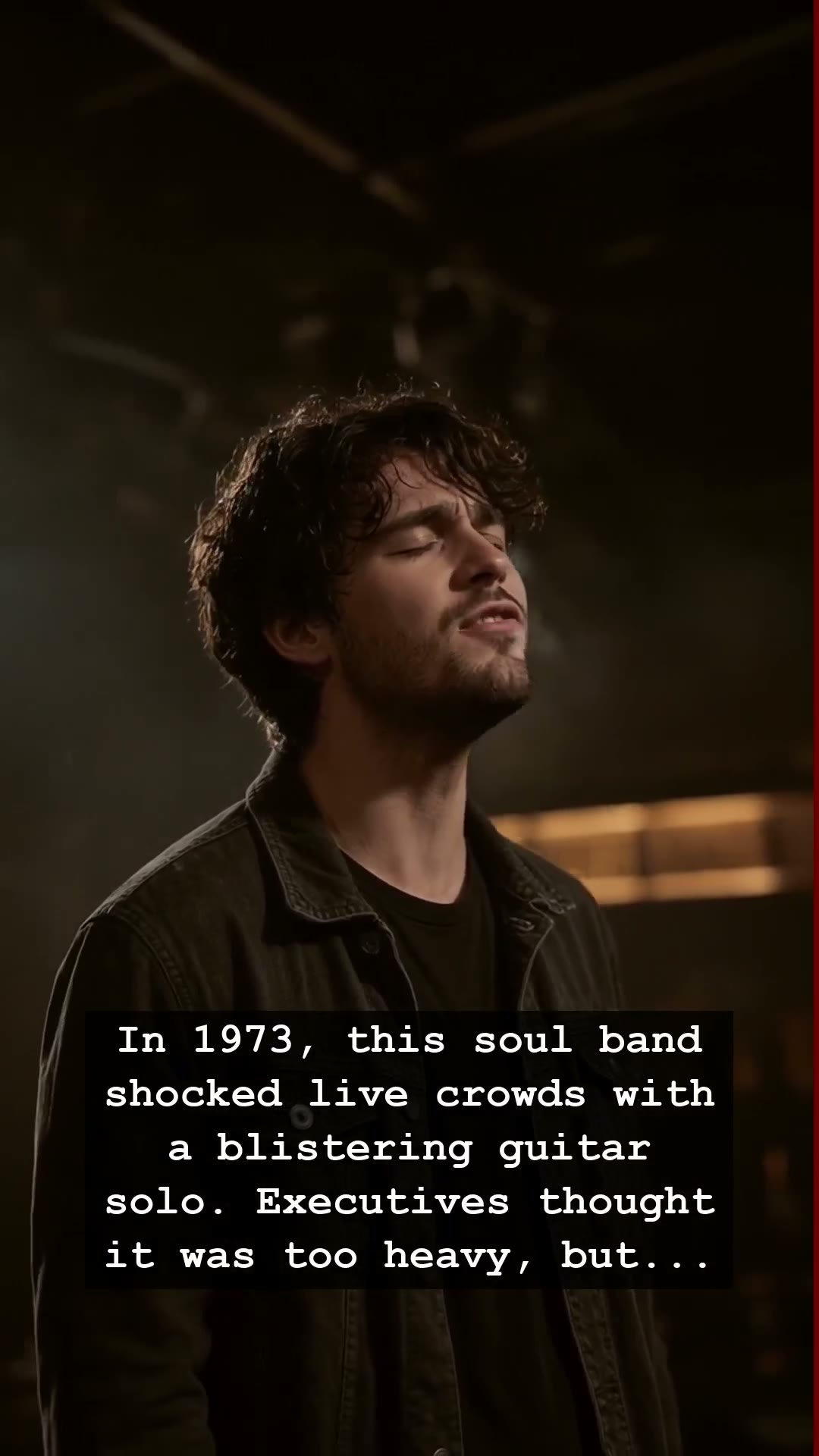
The year was 1973, and the air inside the concert hall was thick with the scent of sweat, spilled beer, and the electric tension of a shifting musical landscape. The Isley Brothers, a group synonymous with smooth harmonies and the polished soul of the sixties, stood on stage before a crowd expecting a night of radio-friendly rhythms. Then, it happened. The quiet, unassuming guitarist Ernie Isley stepped into the spotlight, closing his eyes as he unleashed a blistering, Hendrix-inspired solo that tore through the venue like a jagged blade. It was raw, distorted, and dangerously heavy—a sound that made record executives clutch their pearls and tremble at the thought of radio station airplay.
For an era dominated by the sleek production of Motown and the soft glow of the charts, the sound The Isley Brothers were cultivating was an act of artistic defiance. This wasn’t just a band playing music; this was a family evolving. The Isley Brothers had been through decades of the music industry grinder, from the golden age of doo-wop to the sophisticated funk of the early seventies. Yet, in that moment in 1973, they weren’t looking backward. They were bridging the gap between soul, funk, and the burgeoning fire of hard rock, proving that soul music didn’t have to be polite to be powerful.
History often remembers the titans of rock, but it frequently overlooks the architects of the shift. The Isley Brothers had a secret weapon in Ernie, who had actually been mentored by the legendary Jimi Hendrix during his brief stint in the band’s touring lineup years earlier. This connection was no mere footnote; it was a ghost haunting their sound, an influence that turned their studio sessions into laboratories of sonic experimentation. When they combined their signature vocal tight-rope walking with these aggressive, feedback-drenched guitar lines, they inadvertently invented a new sonic vocabulary that would influence everyone from funk pioneers to the emerging hip-hop producers of the coming decades.
Back then, the music industry was a gatekeeper, and labels wanted the band to stay in their lane. Executives feared that the inclusion of such heavy, guitar-driven arrangements would alienate their core audience. But The Isley Brothers were never interested in safety. They were a family unit fueled by the drama of constant adaptation, surviving the transition from the golden era of the jukebox to the high-gloss aesthetic of the mid-seventies. They pushed forward, and the fans followed, drawn to the authenticity of a band that dared to sound exactly how they wanted to sound.
Looking back, this 1973 turning point remains a testament to the power of artistic evolution. The Isley Brothers remind us that music is at its best when it refuses to be tamed or categorized by corporate standards. They took the risks that defined a generation, cementing their legacy not just as vocalists, but as true revolutionaries of the electric guitar. Even today, when you spin those records, you can still feel the heat of that stage and hear the echo of a sound that shook the foundations of soul music forever.