
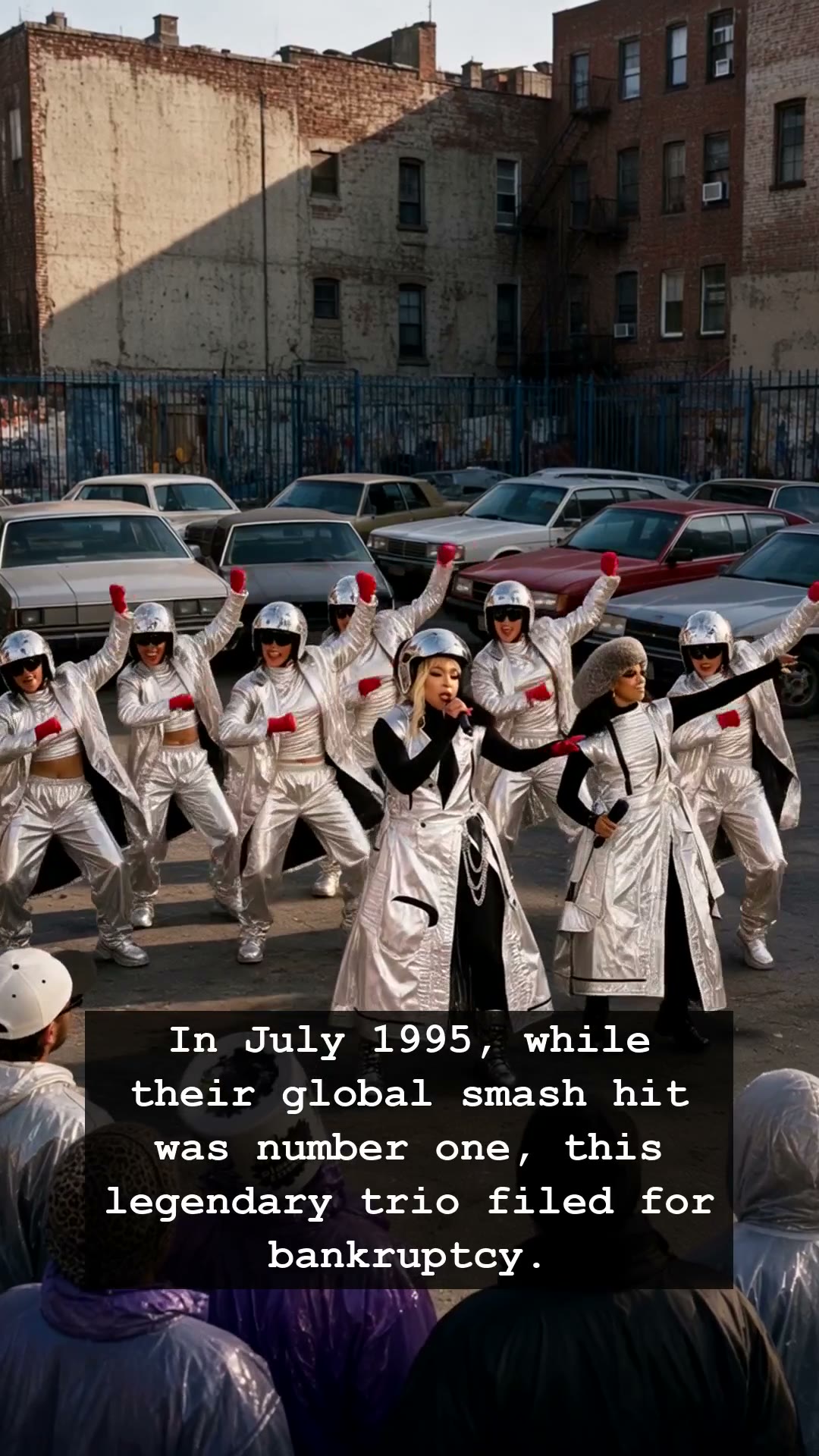
The year was 1995. The airwaves were saturated with the slick, rhythmic sounds of R&B, and everywhere you turned, you heard the infectious, cautionary tale of Waterfalls. TLC was at the very pinnacle of the music world, their sophomore album CrazySexyCool redefining the landscape of pop and soul. They were global superstars, household names, and the definition of a musical phenomenon. Yet, behind the glitz of MTV appearances and the constant rotation on every jukebox across America, a devastating secret was brewing. In July 1995, while their hit single sat comfortably at number one on the Billboard charts, the legendary trio secretly filed for Chapter 11 bankruptcy. It is one of the most haunting ironies in music history.
To understand the magnitude of this crash, one must look at the brutal reality of the music industry in the mid-nineties. Despite selling millions of records and commanding the world stage, T-Boz, Left Eye, and Chilli were drowning in debt. The culprit was a predatory contract that stripped them of their earnings, leaving them with pennies while the machine built around them thrived. It was a stark reminder that the neon lights of fame often mask a much darker, exploitative reality. They were the biggest girl group on the planet, yet they were essentially working for free, caught in a legal web that turned their artistic triumph into a financial prison.
The drama within the group and their management during this era was nothing short of cinematic. It was a time when the industry was shifting, moving toward the glossy excesses of the late nineties, yet the exploitation of artists remained as archaic as ever. For fans of the era, the image of these three icons—fearless, bold, and fashion-forward—contrasted sharply with the vulnerability of their bank statements. This wasn’t just a business dispute; it was a battle for their dignity and their future. The public, blissfully unaware of the struggle, continued to dance to their tracks, never guessing that the women behind the music were fighting to keep their very careers afloat.
This story resonates today because it serves as a haunting cautionary tale about the illusion of fame. In an age before the digital transparency of the internet, record labels could hide behind complex fine print, leaving artists in the dark until it was too late. The story of TLC is a cornerstone of the conversation regarding artists’ rights. It highlights the psychological pressure of maintaining an image of success while being fundamentally exploited. It was a cold, harsh reality check for an industry that prided itself on selling dreams.
Decades later, the legacy of TLC remains untarnished by their past struggles. Instead, their fight for financial independence only adds a layer of depth to their already legendary status. They didn’t just sing the songs of a generation; they stood up against the system that tried to own them. When you listen to their timeless hits today, remember the strength it took for those three women to rebuild from the ashes of a bankruptcy that almost cost them everything. Their voice is not just a melody; it is a testament to the grit required to survive the music business. Next time you spin their records, listen closely, for you are hearing the sound of resilience.