
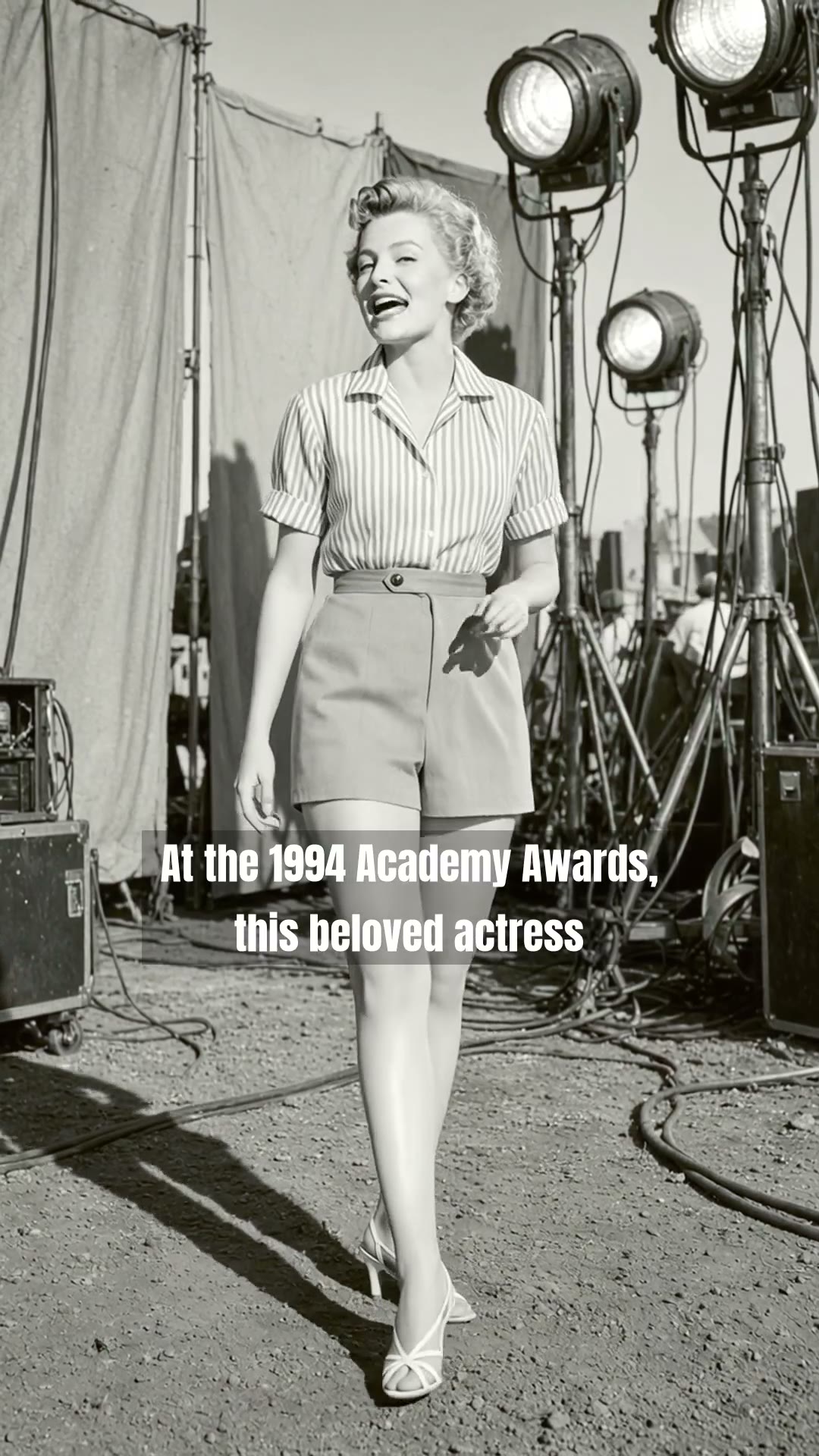
In the vast, glittering history of the Golden Age of Hollywood, few stars possessed the grace and luminous poise of Deborah Kerr. She was the quintessential screen siren, a woman whose performances brought a quiet, intellectual depth to the silver screen. Yet, for decades, her name was tethered to a bittersweet statistic: the most Academy Award nominations for Best Actress without a competitive win. Fans of classic cinema often wondered if the institution of the Oscars had failed to recognize the sheer brilliance of a woman who defined the very meaning of Method acting long before it was a buzzword in modern acting schools.
Deborah Kerr was a titan of the screen, starring in legendary productions from The King and I to the heartbreaking romance of An Affair to Remember. She navigated the transition from the mid-century studio system to the more gritty, experimental era of the late sixties with an elegance that few could emulate. Whether she was playing the virtuous governess or the complex woman entangled in scandalous affairs, Kerr brought a dignity to her roles that transcended the screen. Her career was a masterclass in subtlety, a stark contrast to the explosive, often loud, nature of modern blockbuster performances that would later fill our VHS collections throughout the eighties and nineties.
As the decades rolled by, the narrative surrounding Deborah Kerr became centered on those six lost Oscar nights. Critics often lamented that the Academy had overlooked her time and again, leaving her fans to wonder if she would ever receive the formal recognition she so rightfully deserved. It became a point of contention among true film aficionados—a testament to how the glitz of the ceremony often eclipsed the profound impact of an artist’s lifelong body of work. She remained stoic, professional, and entirely focused on her craft, never letting the lack of a trophy diminish her massive contributions to the fabric of cinema.
Then came the 1994 Academy Awards, a night that felt like a long-overdue reunion between the industry and its most beloved daughter. When the presenters announced that Deborah Kerr would be receiving an Honorary Academy Award, the atmosphere in the room shifted. As she walked toward the stage, the thunderous, prolonged standing ovation was not just for a woman finally holding a golden statue; it was a collective apology and a celebration of a life dedicated to the art of storytelling. The history that many thought was etched in stone—that she was the woman the Oscars forgot—was rewritten in that single, poignant moment of recognition.
Today, we look back at the career of Deborah Kerr not as a list of statistics, but as an essential chapter of movie history. Her legacy remains a beacon for those who value authenticity over artifice. When you pull a dusty VHS off the shelf or watch a classic broadcast on a quiet Sunday afternoon, remember the woman who taught us that true greatness is not always measured in gold, but in the timeless hearts we touch along the way.