
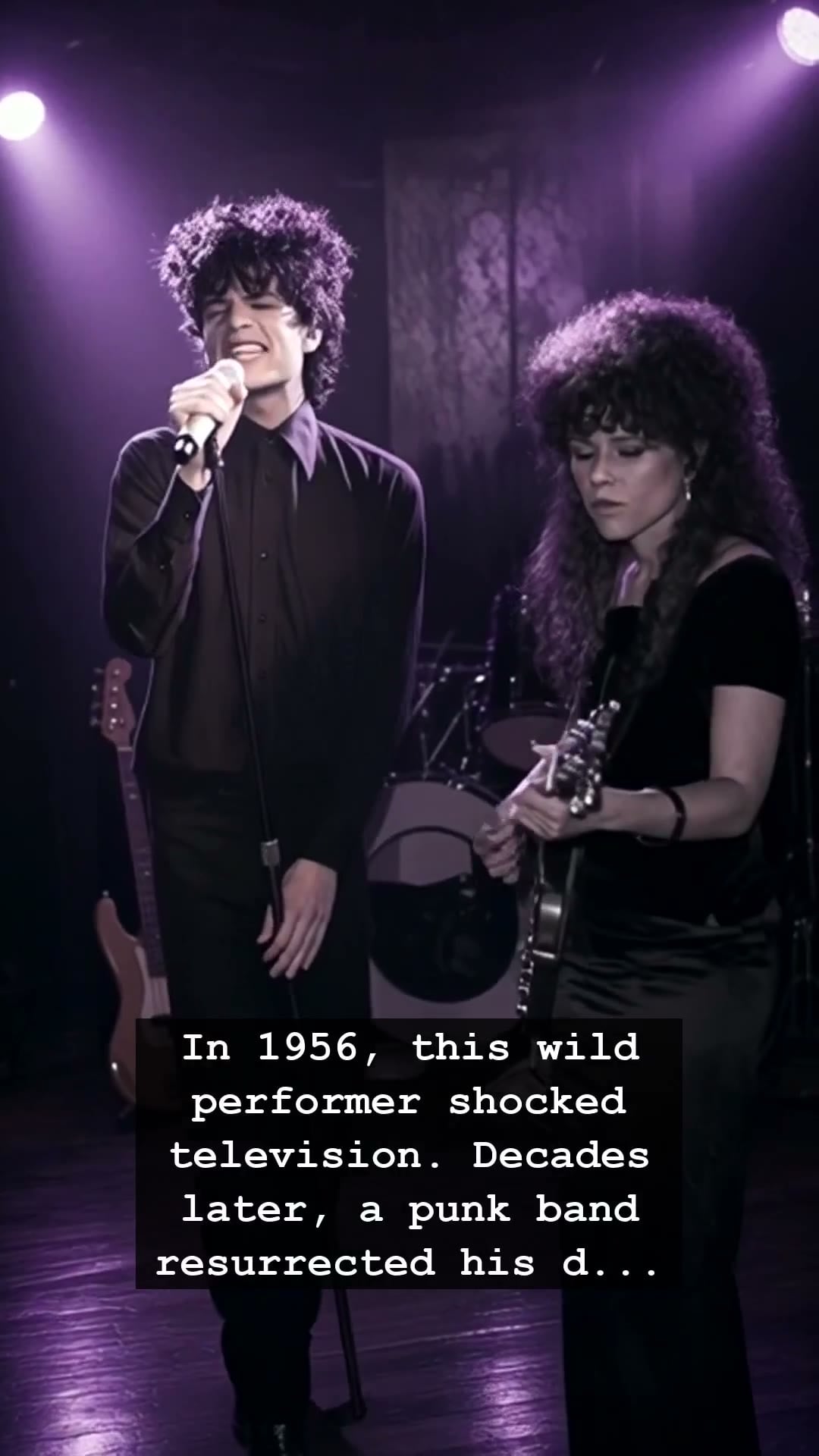
It was 1956, and America was settling into the clean-cut, polite veneer of mid-century television. Families gathered around their glowing cabinets, expecting the rhythmic crooning of popular stars. Then, Screamin Jay Hawkins stepped into the frame. Emerging from a smoking coffin with a skull on a stick, his voice booming with a primal, guttural intensity, he didn’t just sing; he unleashed a nightmare. The audience was terrified. The censors were baffled. In a world of jukebox pop and sanitized radio hits, Screamin Jay Hawkins was a lightning bolt of genuine, unhinged theater that permanently scarred the cultural landscape of rock and roll.
The brilliance of Screamin Jay Hawkins lay in his commitment to the macabre. His hit, I Put a Spell on You, was originally intended to be a slow, refined love ballad. But a night of heavy drinking in the studio transformed it into a wild, shrieking, blues-soaked voodoo ritual. He was a pioneer of performance art before the term even existed, blending rhythm and blues with the dark aesthetic of a late-night horror flick. For decades, he stood as a lone outlier, a haunting reminder that music could be dangerous, visceral, and genuinely frightening.
Fast forward to the late 1970s, a time when the polished sheen of disco was beginning to fracture under the weight of the rising punk movement. Out of the grit of the New York scene emerged The Cramps. Led by the enigmatic Lux Interior and Poison Ivy, the band found an ancient, twisted inspiration in the forgotten relics of 1950s rockabilly and the theatrical madness of artists like Hawkins. They didn’t just cover the music; they channeled the spirit of the past to create something entirely new: horror-rock. By embracing the low-budget charm of B-movies and the raw energy of the punk underground, they resurrected the dark charisma that Screamin Jay Hawkins had pioneered.
The Cramps took the campy, spooky elements that Hawkins once used to shock television audiences and distilled them into a high-octane, guitar-heavy sound that felt like a graveyard midnight party. They understood that the best rock and roll wasn’t meant to be polite. It was meant to make you feel uneasy, to make you want to dance while peering over your shoulder. By bridging the gap between the raw, bluesy roots of the fifties and the aggressive nihilism of the late seventies, they kept a unique artistic fire burning for a new generation of outsiders.
Looking back, the connection between these legends serves as a reminder of how music evolves through shadow and rebellion. From the flickering black-and-white screens of the fifties to the sweaty, dimly lit clubs of the punk era, the influence of Screamin Jay Hawkins never truly faded. He provided the blueprint for every performer who wanted to use music as a mask for their inner demons. Whether you discovered the macabre charm of The Cramps through a weathered vinyl record or heard the echo of Hawkins in a modern garage band, the spirit of horror-rock remains a testament to the power of the dark side of American music. The spell is still cast, and we are still listening.