
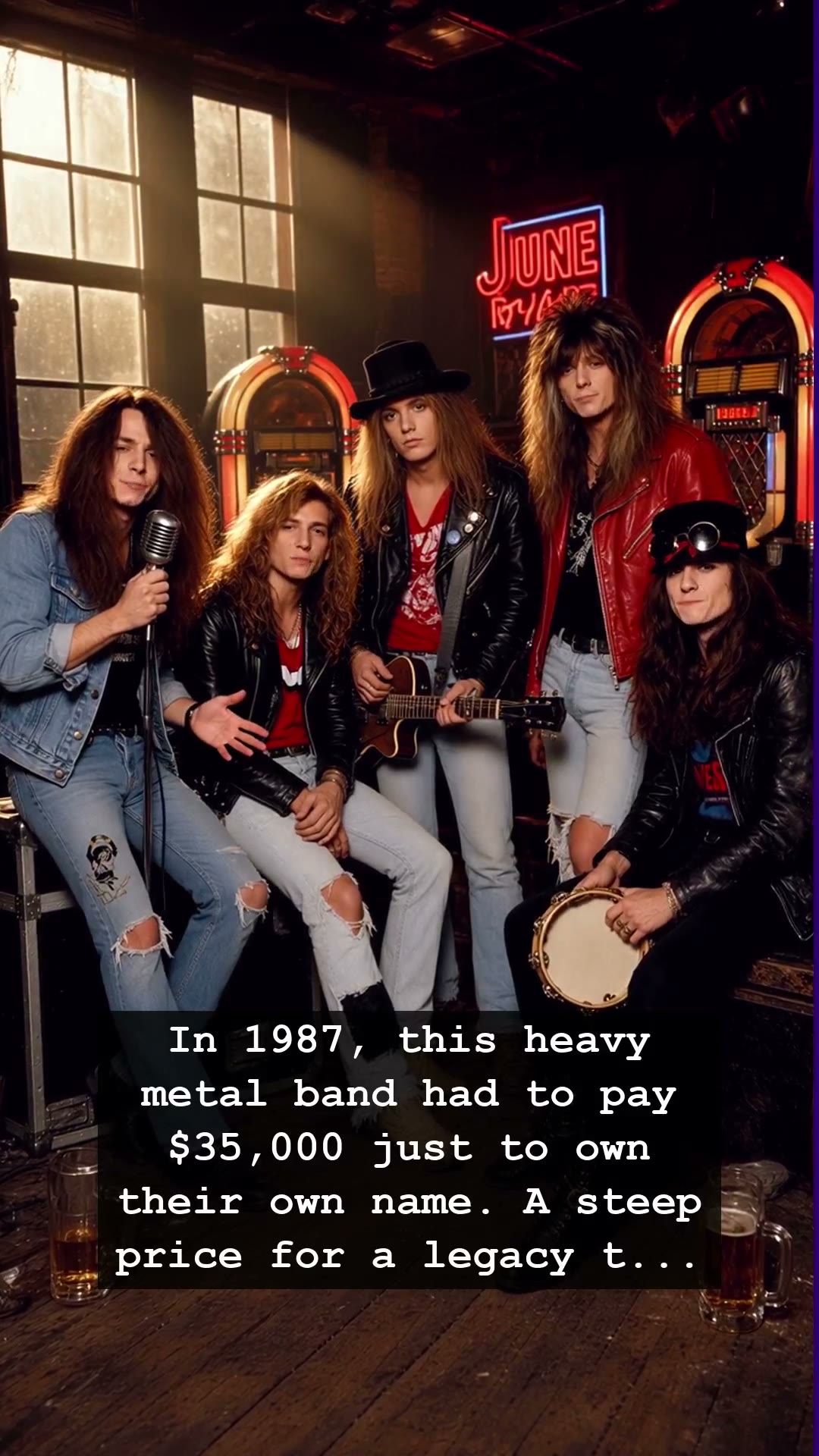
In 1987, the Sunset Strip was a pressure cooker of hairspray, leather, and broken dreams. Amidst the chaos of the rising heavy metal scene, a hungry band known as Skid Row found themselves staring down a legal nightmare that would have ended lesser careers before they even began. Before they dominated the MTV airwaves with power ballads that defined a generation, the group had to scrape together $35,000 in cash—a staggering fortune for struggling musicians at the time—just to purchase the rights to their own name. It was a brutal initiation into the cutthroat machinery of the music industry, a hidden tax on the road to fame that few fans ever heard about while they were headbanging to the radio.
The name Skid Row had been used by a short-lived Irish band years prior, and the legal shadow cast by that history threatened to bury the New Jersey-born rockers before their debut. To the members of Skid Row, the price tag wasn’t just a fee; it was a ransom for their identity. It represented the ultimate gamble in an era when the Walkman was king and music videos were the only path to national superstardom. Imagine the desperation in that room, the frantic calls to managers, and the collective sacrifice required to secure a moniker that would eventually become synonymous with the raw, high-octane energy of the late eighties arena rock explosion.
Once that hurdle was cleared, Skid Row didn’t just survive; they exploded. Their debut album became a staple of the MTV era, soundtracking the lives of millions who lived for the rebellion of heavy metal. Songs like 18 and Life captured the restless, dangerous spirit of the youth, while the band’s aesthetic—tattered jeans, long hair, and an attitude that felt genuinely dangerous—perfectly encapsulated the era. They weren’t just playing music; they were providing an escape from the mundanity of suburban life. The $35,000 investment had paid off, catapulting them from anonymous hopefuls to global icons in a matter of months.
Yet, the legacy of Skid Row remains a poignant reminder of the dark, often predatory side of the music business. Behind the pyrotechnics, the sold-out arenas, and the gold records lies a history of grueling legal battles, creative friction, and the relentless pressure to maintain a larger-than-life persona. The story of their name is a microcosm of the entire 1980s metal scene—a world where talent was only half the battle, and the other half was surviving the sharks circling in the boardroom.
Today, the legend of Skid Row resonates because it feels authentic in an age of manufactured pop. For those who remember the grit of the late eighties, the band serves as a time capsule, a reminder of when music felt like a revolution and every note held the weight of a thousand sacrifices. Whether you first heard them on a worn-out cassette tape or caught their music video on late-night cable, the story of how they fought for their own name proves that the best rock and roll always comes with a price. Next time you spin one of their classic hits, remember the $35,000 gamble that turned a name into an immortal piece of hard rock history.