
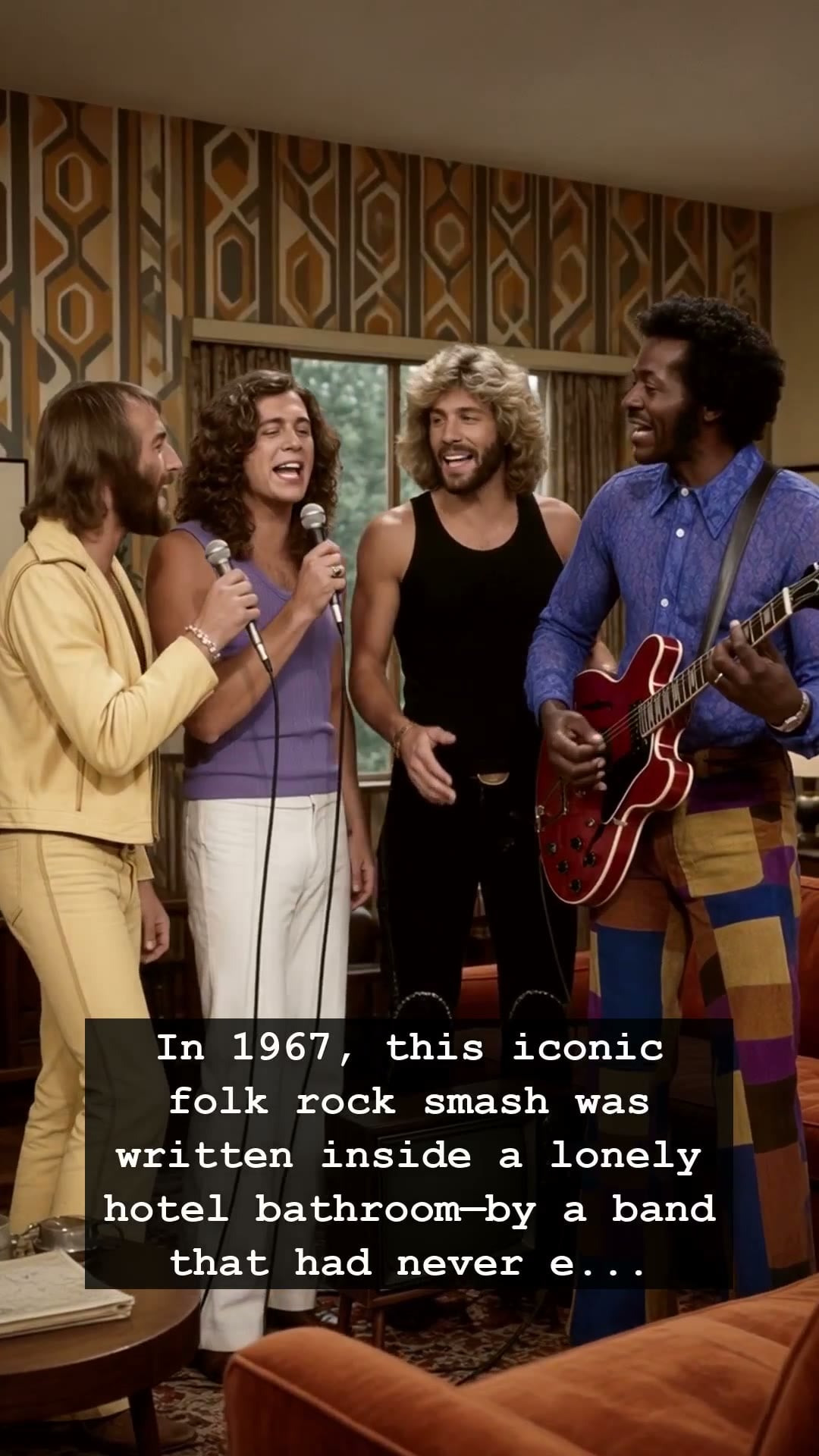
It is 1967. The world is changing, the radio waves are crackling with the early sounds of psychedelic rock, and the Bee Gees are sitting in a cramped, lonely hotel bathroom in New York City. They are young, restless, and thousands of miles away from home. Yet, in that confined, tiled space, they managed to capture the soul of a place they had never even visited. As the water dripped and the acoustics hummed, the brothers Gibb crafted the folk-rock anthem Massachusetts, a song that would eventually define a generation and launch them into the global stratosphere of superstardom.
To understand the magic of the Bee Gees during this era, you have to picture the scene. The mid-sixties were a whirlwind of rapid musical evolution. The Jukebox was shifting from the sweet melodies of doo-wop toward more introspective, lyrical storytelling. While the band was still finding their footing, they possessed an uncanny ability to tap into the collective consciousness of their listeners. They wrote Massachusetts not as a travelogue of a state they knew, but as an evocative dreamscape of an American landscape they had only seen in movies or heard about in folk songs. It is a testament to the raw talent of Barry, Robin, and Maurice Gibb that they could turn a hotel room sketch into a song that felt like an homecoming for millions of Americans.
There is a bittersweet irony to the track that resonates even today. While the band was busy cementing their legacy, the pressures of fame were already beginning to simmer beneath the surface. The Bee Gees were not just musicians; they were brothers trapped in a whirlwind of professional expectations and internal friction. The drama of the industry—the relentless touring, the demands of producers, and the quest for the perfect hook—often mirrored the melancholic undertones found in their lyrics. They were masters of the sad, soaring melody, a trademark that would follow them from their early pop days all the way to their disco-fueled resurrection at the legendary Studio 54.
Looking back, Massachusetts serves as a time capsule for an era where the song was king. Before the digital age and the hyper-production of the MTV years, there was just the harmony of three voices and a simple, haunting arrangement. The song remains a cornerstone of 1960s music history, proving that you do not need to be physically present in a location to capture its heartbeat. It is that sense of longing, that desperate need to return to a place you have never been, that keeps fans coming back to the Bee Gees decades later.
As you listen to the delicate guitar picking and those unmistakable, crystalline harmonies today, try to transport yourself back to that 1967 bathroom. Imagine the brothers huddled together, oblivious to the fact that they were recording a piece of musical immortality. The Bee Gees gave us a gift that transcends geography. Whenever those opening notes play, we are all invited back into that room, sharing in the quiet, creative alchemy that changed pop music forever. Does this song still strike a chord in your soul?