
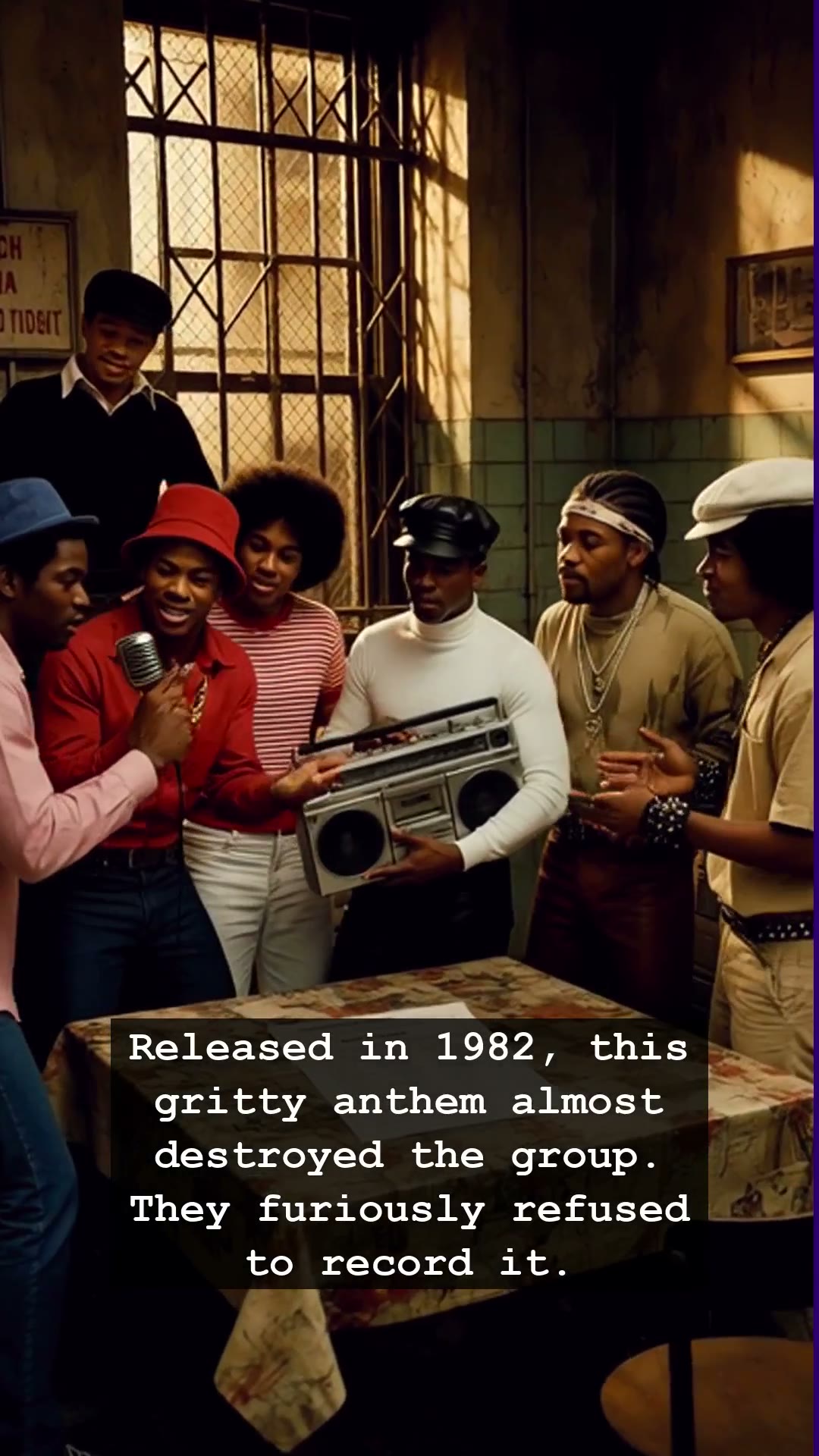
It was 1982, a year defined by the neon glow of the early MTV era and the rhythmic hum of the burgeoning urban underground. Amidst the glitz and the rising fascination with synthesized beats, a group that had built its reputation on high-energy block parties stood on the edge of a precipice. Grandmaster Flash and the Furious Five were the kings of the Bronx, synonymous with spinning records and keeping the crowd moving. But when they were presented with a track titled The Message, the atmosphere in the studio turned cold. They were terrified. They were furious. They were convinced that this dark, gritty social commentary would be the death of their career.
For a group used to the escapism of funk-infused jams and the vibrant party scene of the late seventies, The Message felt like a betrayal. The lyrics did not talk about dancing or the adrenaline of a house party; instead, they painted a harrowing, claustrophobic portrait of life in the ghetto. Broken glass everywhere, people pissing on the stairs, and the constant, crushing pressure of survival were themes completely alien to their established brand. The members famously refused to record it, fearing that their fans would reject such a bleak departure from the celebratory spirit that made them legends in the first place.
However, the tension between the label and the group was palpable. The pressure to record the track created a rift that pushed the group to the brink of disintegration. It was a classic clash of artistic vision versus commercial expectations, set against the backdrop of a changing musical landscape. When the song was finally released, the impact was seismic. It didn’t destroy them; it catapulted them into the stratosphere, redefining what hip hop could achieve. By daring to look at the shadows of the city rather than just the disco lights, Grandmaster Flash and the Furious Five shifted the culture permanently.
Looking back at that era, it is hard to overstate how pivotal this moment was for the evolution of music. Before the dominance of the Walkman and the commercial explosion of rap, hip hop was often viewed as a fleeting trend. The Message proved it was a powerful tool for storytelling and social critique. Grandmaster Flash and the Furious Five had managed to capture the raw, unfiltered truth of the streets, turning a moment of internal discord into a timeless anthem that resonated far beyond the Bronx.
Even decades later, the song remains a haunting piece of history that captures the late twentieth-century American experience with brutal honesty. It serves as a reminder that the greatest music often comes from the most uncomfortable places. The hesitation and the fear that once threatened to silence the track ultimately gave it the gravity it needed to change the world. Next time you hear those iconic opening synth chords, remember the group that fought its own internal war just to tell the truth. Do you remember where you were when you first heard it?