
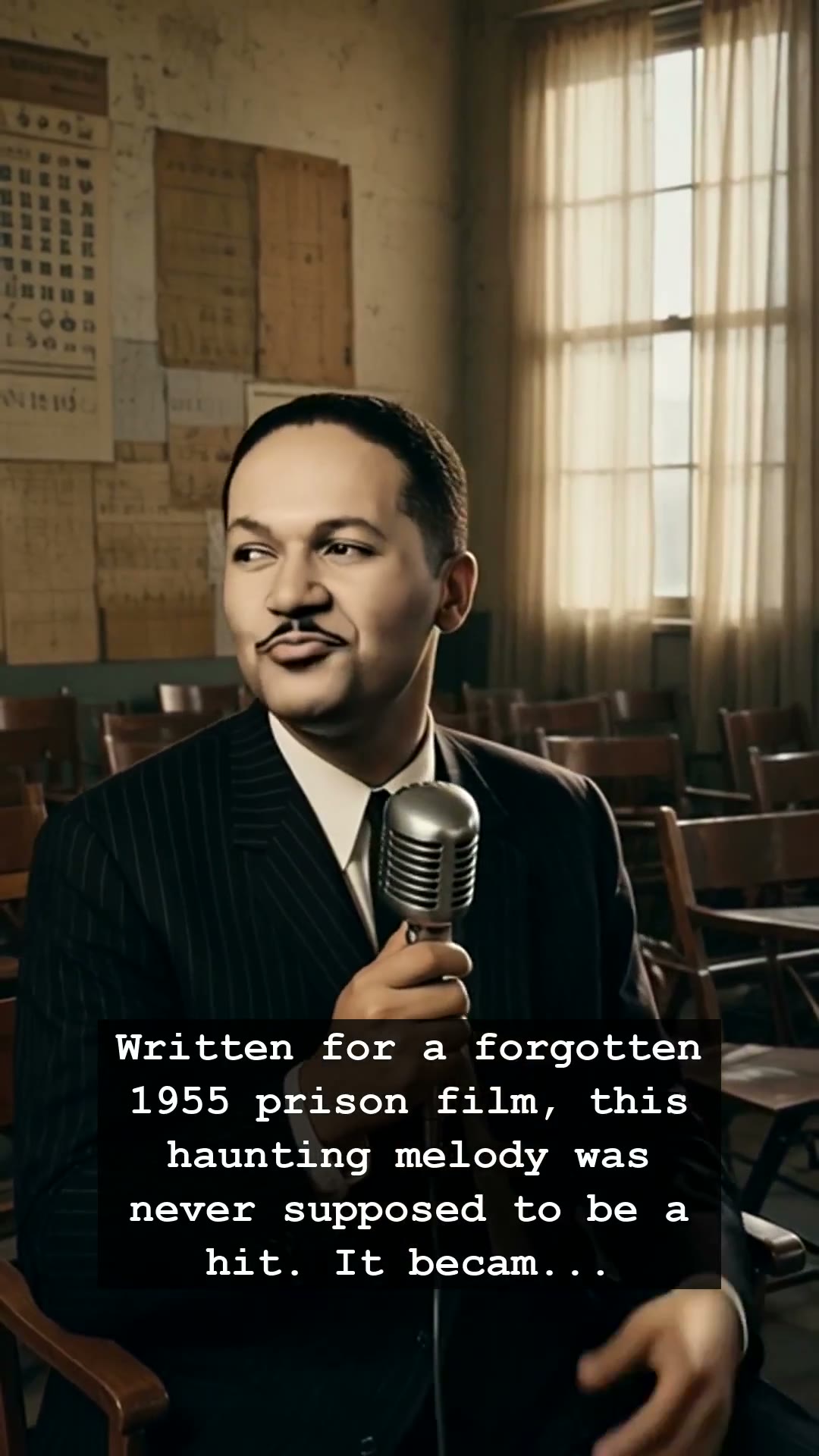
Imagine a cold, echoing prison cell in 1955. The air is thick with desperation, and the only sound breaking the silence is a haunting melody composed for a forgotten film about life behind bars. Long before it became the definitive anthem of romantic longing, Unchained Melody was trapped in the obscurity of a low-budget cinematic project. Most people today associate this soaring masterpiece with the velvet-smooth, powerhouse vocals of The Righteous Brothers, but the journey of this song from a prison drama to the pinnacle of pop culture is a tale as dramatic as the lyrics themselves.
When Bill Medley and Bobby Hatfield, the duo known as The Righteous Brothers, stepped into the studio in 1965, they were already masters of what they called blue-eyed soul. Yet, even they could not have predicted the alchemy that occurred when they laid down their version of this track. It was intended merely as a filler song on an album, a throwaway choice that almost ended up on the cutting room floor. It is a strange irony that one of the most iconic songs in the history of American music was never intended to be a single, nor a permanent fixture in the hearts of millions.
As the needle drops on an old vinyl record and that iconic, lonely opening guitar riff begins, you are transported back to the golden era of the mid-sixties. This was a time when the Jukebox reigned supreme in diners and smoke-filled lounges. The Righteous Brothers managed to capture a specific kind of agony—a yearning so raw it felt like a physical weight. Bobby Hatfield’s vocal performance in the final thirty seconds remains one of the most breathtaking displays of range and emotion ever committed to magnetic tape. It wasn’t just a song; it was a testament to the immense pressure and the intoxicating highs of the music industry during that transformative decade.
Beyond the studio walls, the story of The Righteous Brothers is one of complex dynamics and conflicting musical identities. They were the architects of a sound that bridged the gap between the rough-edged rock and roll of the fifties and the polished soul of the coming years. Their partnership was often volatile, fueled by the relentless demands of touring and the suffocating glare of fame. They survived the shifting tides of the industry, from the rise of the British Invasion to the psychedelic fever dreams of the late sixties, all while leaving behind a catalog of hits that defined the American experience.
Today, Unchained Melody continues to echo through history, resurfacing in cinema and pop culture with a haunting consistency that defies time. It reminds us that even the most forgotten fragments of art, once touched by the right voices, can become immortal. Whether you first heard it through the crackle of an old radio or rediscovered it years later, the track remains a bridge to a bygone world. As the final notes fade into the dark, we are reminded that some melodies are simply never meant to be chained.