
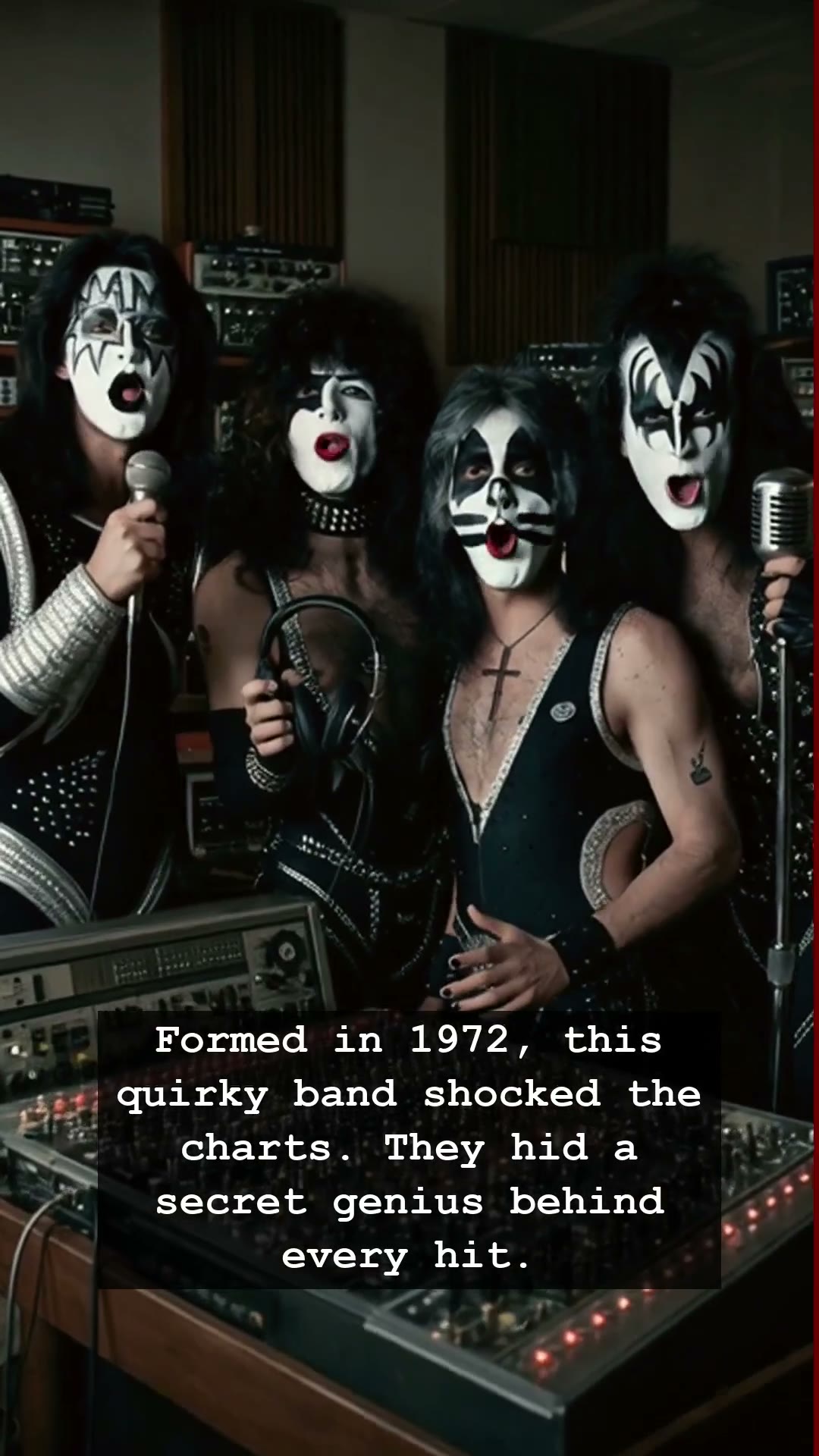
In the early 1970s, the airwaves were dominated by stadium rock and the polished shimmer of FM radio, but then came a band that looked less like rock stars and more like a group of misfits who had wandered off a carnival lot. Dr. Hook and the Medicine Show arrived in 1972 with a sense of irreverence that shocked the music establishment. With their eyepatch-wearing frontman Ray Sawyer and a visual aesthetic that defied the glamorous norms of the era, they were the ultimate outliers. Yet, beneath the quirky exterior and the scandalous lyrics that made parents clutch their pearls, there was a sophisticated engine driving their success that few fans truly understood at the time.
While the band’s public image was defined by humor, substance-fueled antics, and a chaotic stage presence, the true brilliance lay in the partnership between Dennis Locorriere and the legendary songwriter Shel Silverstein. It is one of music’s most fascinating secrets that the man responsible for whimsical children’s books was the same mind crafting the sharp, biting wit behind Dr. Hook classics. Silverstein was the hidden mastermind, a genius poet who channeled the band’s raw, eccentric energy into songs like The Cover of Rolling Stone. This track became a cultural lightning rod, capturing the desperate, often comedic pursuit of fame that defined the music industry during the rise of iconic magazines and the obsession with celebrity status.
Life on the road for Dr. Hook was a blur of hazy motel rooms, smoky jukebox-lit bars, and the unrelenting pressure of the industry. Behind the scenes, the band operated in a whirlwind of emotional highs and lows. Their rise to fame wasn’t the clean, manufactured path we see in modern pop; it was a gritty, authentic climb that resonated with the blue-collar spirit of the mid-70s. Fans who grew up listening to them on their Walkmans or catching their wild performances on television felt a connection to the band precisely because they felt so dangerously real. They were the antidote to the corporate polish that began to seep into the airwaves as the decade progressed toward the disco explosion.
The genius of Dr. Hook was their ability to hide complex emotions behind a veneer of comedy. Songs like Sylvia’s Mother were not just catchy radio hits; they were heartbreaking vignettes of longing and rejection that still strike a chord with anyone who has ever felt the sting of a lost love. Even today, listening to those records takes us back to a time when lyrics carried the weight of literature and melodies were crafted to stand the test of time, regardless of the changing fashion or the technology of the day.
As the band evolved, their journey became a testament to the unpredictable nature of the music business. They survived shifts in culture, the rise of MTV, and the constant evolution of their own internal dynamics, leaving behind a legacy that is as poignant as it is rebellious. Dr. Hook remains a vital piece of the 1970s puzzle, reminding us that sometimes the most profound art comes from the most unlikely of places. When you spin their records today, you aren’t just hearing hits; you are hearing the heartbeat of an era that dared to be weird, honest, and unforgettable.