
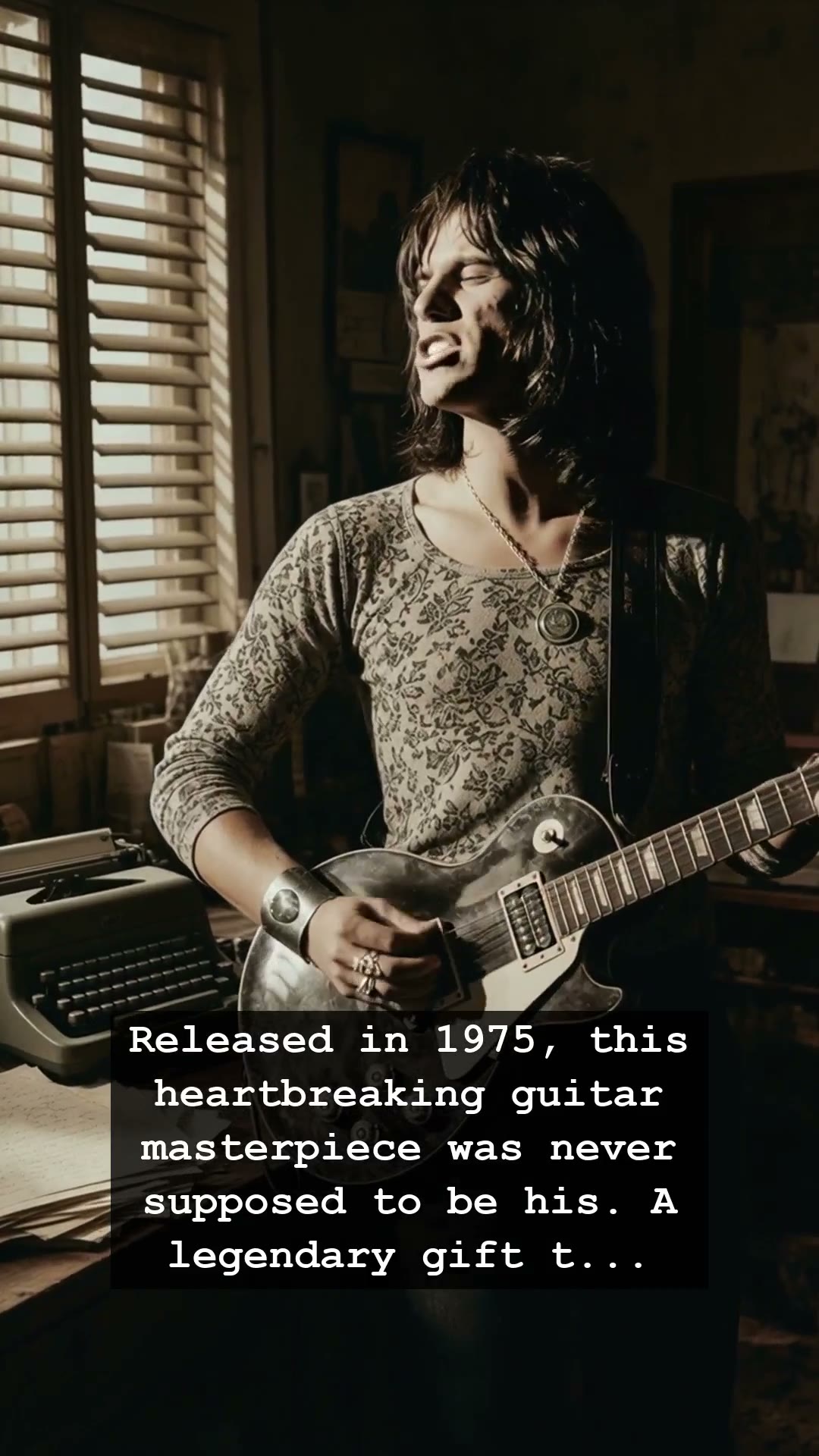
It was 1975, a golden era when the hum of a Walkman was just a dream and the vinyl needle drop in a dimly lit living room was the ultimate ritual. Amidst the swirling trends of glam rock and the rise of disco, a singular, haunting guitar melody emerged that felt less like a song and more like a whispered confession from the beyond. That masterpiece was Cause We’ve Ended as Lovers, a track that solidified Jeff Beck as not just a technician, but a poet of the electric guitar. Yet, the history books often gloss over the fact that this soul-stirring tribute was never originally intended for his fingers at all.
The genesis of this legendary instrumental lies in the profound creative bond between Jeff Beck and the genius behind the Motown sound, Stevie Wonder. Wonder had penned the composition as a gift for his then-wife, Syreeta Wright, intending it to be a tender vocal ballad. However, fate had a different trajectory in mind. When Jeff Beck sat down to record his iconic album Blow by Blow, he was looking for a centerpiece that could bridge the gap between hard rock grit and soulful vulnerability. Stevie Wonder, recognizing the unique emotional weight Beck could pull from his strings, offered him the composition instead. It was a passing of the torch from one legend to another, a creative gesture that would change rock history forever.
As Jeff Beck leaned into the tremolo arm of his guitar, he wasn’t just playing notes; he was channeling an unspoken grief and a raw, trembling longing. The track became a masterclass in touch and dynamics, proving that the true power of an instrument doesn’t lie in how many notes you can squeeze into a measure, but in the silence you leave between them. In an era dominated by the spectacle of stadium arena rock and the excess of late-night sessions, Jeff Beck chose intimacy. He turned the instrument into a human voice, weeping for a love that had already faded into the archives of time.
Listeners of the seventies were floored by the vulnerability dripping from every sustain. It stood in stark contrast to the aggressive posturing often found on the airwaves of the time. The track became a lighthouse for guitar players everywhere, a standard to aspire to if they wanted to touch the soul of the audience. Jeff Beck managed to strip away the mask of the rock god, revealing a man who could command the silence of a packed hall with nothing but a single, bent note. It remains an unforgettable tribute, echoing the bittersweet nature of the decade that birthed it.
Decades later, when we revisit these tracks, the magic of Jeff Beck remains undiminished. His ability to turn a song intended for a vocal performance into a timeless instrumental standard reminds us of the power of collaboration and the fragility of the creative process. It serves as a haunting reminder that the greatest art often comes from the most unexpected origins, born from a gift between friends that blossomed into a permanent scar of beauty on the landscape of music. If you listen closely enough, you can still hear the ghost of that 1975 studio session, proving that true legends never really stop playing.