
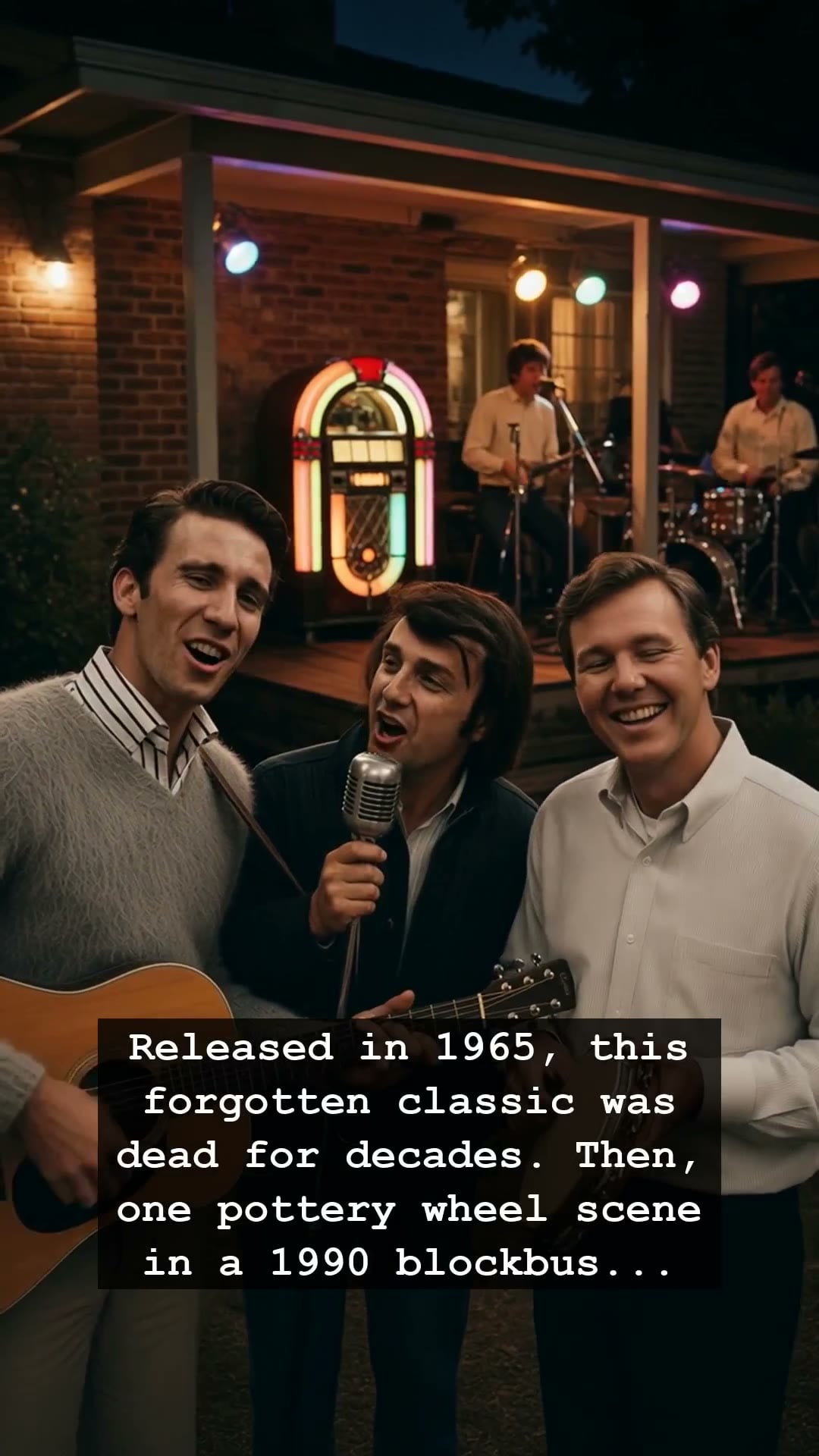
In 1965, the airwaves were crowded with the sounds of the British Invasion and the burgeoning Motown soul movement. Amidst this musical revolution, The Righteous Brothers released a track that would soon face a long, silent exile from the spotlight. Unchained Melody was a haunting, soulful ballad that defined the blue-eyed soul genre, yet as the years turned into decades, the song seemed destined to fade into the dusty archives of radio history. It was a masterpiece of vulnerability, trapped in a time that was moving too fast for its slow, agonizing burn.
For nearly twenty-five years, The Righteous Brothers watched as their magnum opus slipped from the collective consciousness. The swinging sixties gave way to the neon-drenched hedonism of Studio 54, and the gritty, leather-clad anthems of arena rock eventually surrendered to the synthetic pulse of the eighties. During this era, the song became a relic of a bygone world, a beautiful ghost lost in the shuffle of changing trends. The industry had moved on, and it seemed the world had forgotten the aching harmony that once defined the heartbreak of a generation.
Then came 1990, and with it, a cultural shift no one saw coming. When the film Ghost premiered, it utilized the song in a scene that would etch itself into cinematic history forever. The image of Patrick Swayze and Demi Moore at the pottery wheel, hands intertwined and hearts raw, became the vessel for the song’s grand resurrection. Suddenly, a track that had been dormant for a quarter of a century was everywhere. It roared back to life, topping charts again and becoming an unstoppable global obsession that transcended age, geography, and the cynical nature of modern pop music.
This renaissance was not merely a stroke of luck; it was a testament to the timeless gravity of The Righteous Brothers. Their vocal performance carries a weight that modern production often struggles to replicate. Bill Medley’s deep, booming baritone and Bobby Hatfield’s soaring, fragile tenor captured a brand of romantic desperation that remains universally relatable. Whether played on a vintage jukebox in a dimly lit diner or experienced through the surround sound of a blockbuster film, the song touches on a primal human need: the desire for connection when everything else is slipping away.
Today, we look back at this story as one of the most remarkable comebacks in musical history. It serves as a reminder that great art is never truly dead; it is merely waiting for the right moment to reclaim its throne. The legacy of The Righteous Brothers remains anchored in that perfect fusion of soul and sorrow, a reminder of a time when songs were meant to be felt in the marrow of your bones. As you listen to the opening piano chords, let yourself be transported back to a world where music could stop time and bring a ghost back to life.