
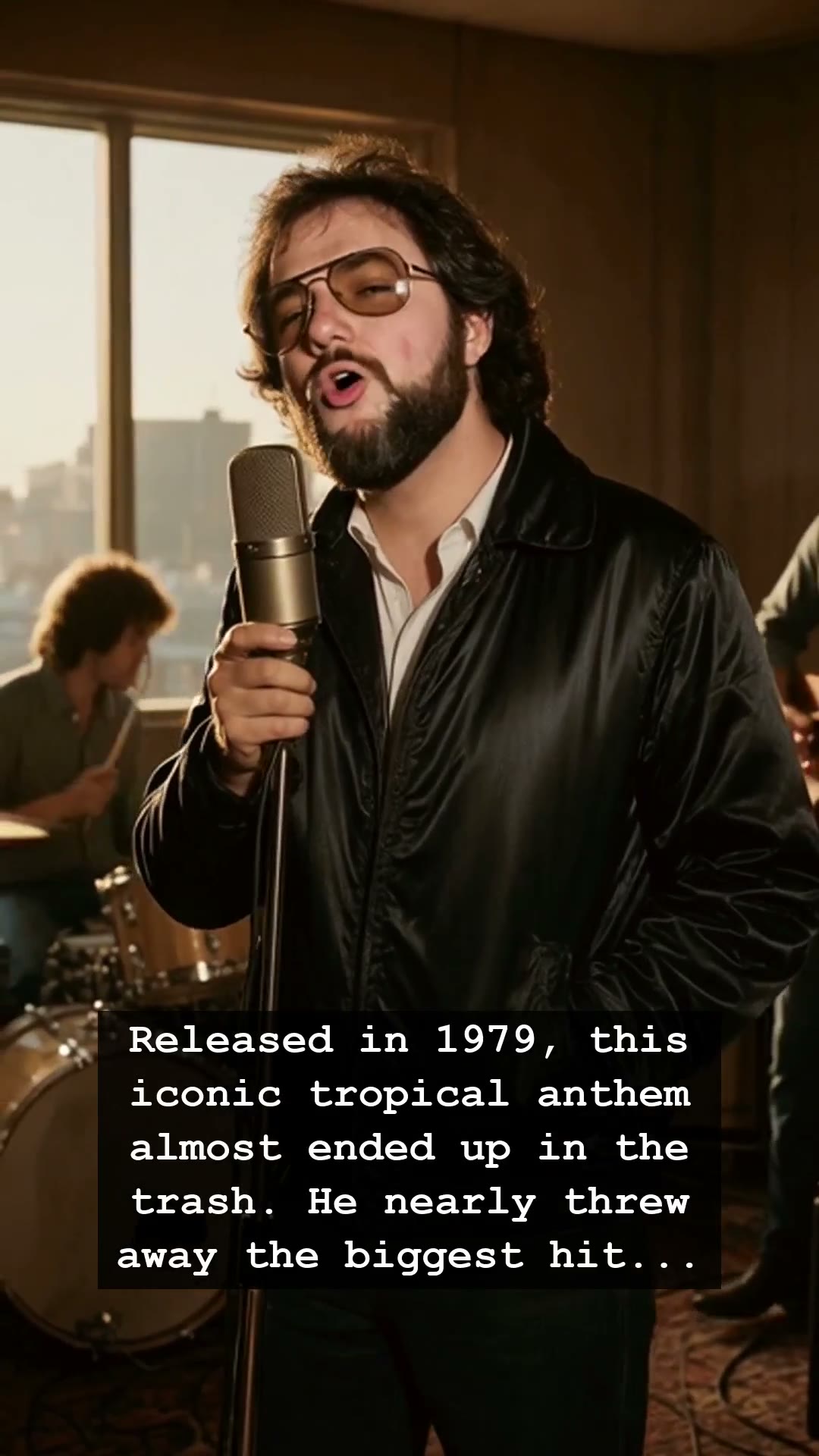
It was 1979, the dying breaths of a decade fueled by glitter, excess, and the waning pulse of the disco era. In a cramped studio, a songwriter named Rupert Holmes sat hunched over his work, inches away from a decision that could have relegated his greatest masterpiece to the landfill. He held a demo tape in his hand—a quirky, tropical-infused narrative about a man reading the personal ads—and he almost tossed it into the bin. He preferred a different track, one he felt was more serious and aligned with his artistic vision. Little did Rupert Holmes know, he was holding the golden ticket that would define the ultimate daydream of a generation.
The song, of course, was Escape (The Piña Colada Song). For millions of listeners, those opening chords are a direct portal to a time when Walkmans were the cutting edge of personal audio and the neon lights of suburban lounges offered a brief respite from the pressures of daily life. Rupert Holmes did not intend to write a global phenomenon; he was simply crafting a story, a miniature cinematic experience that captured the strange, often comical search for connection in a lonely world. It is a song about infidelity, irony, and the rediscovery of love, all wrapped in a sun-drenched melody that masks the underlying tension of a crumbling relationship.
The history of popular music is littered with these accidental icons, tracks that survived the internal filters of genius to become universal anthems. Rupert Holmes had been a successful songwriter and arranger for years, working behind the scenes for others, but this specific hit catapulted him into the spotlight in a way that felt almost surreal. The success of the song arrived just as the radio landscape was shifting toward the polished sounds of the early eighties, yet it managed to transcend genres. It became a staple on AM radio, its bouncy rhythm providing a stark, delightful contrast to the darker, heavier trends brewing just beneath the surface of the mainstream.
Looking back, the success of Rupert Holmes highlights a fascinating truth about the music industry during the late seventies: the public often craves a story more than a status symbol. While his peers were chasing the high-octane energy of stadium rock or the hypnotic pulse of the dance floor, Rupert Holmes leaned into the narrative. He gave us characters, a plot twist, and a resolution that felt both cynical and surprisingly romantic. It is this storytelling prowess that keeps the song relevant today, appearing in films and television shows whenever a director needs to capture that specific, bittersweet feeling of 1979.
Beyond the charts and the gold records, the story of this song serves as a humbling reminder of how fragile creative history really is. We are listening to the songs that survived the trash bin, the discarded drafts, and the artist’s own self-doubt. Rupert Holmes eventually realized the potential of his tropical escape, but the world nearly missed out on the tune that would eventually become the unofficial anthem of rainy days and dreams of island getaways. When you listen to it now, through the lens of nostalgia, you are not just hearing a melody; you are witnessing a songwriter’s near-miss with obscurity. It stands as a testament to the enduring power of a simple, honest story, reminding us all that sometimes, the best decisions are the ones we almost never made.