
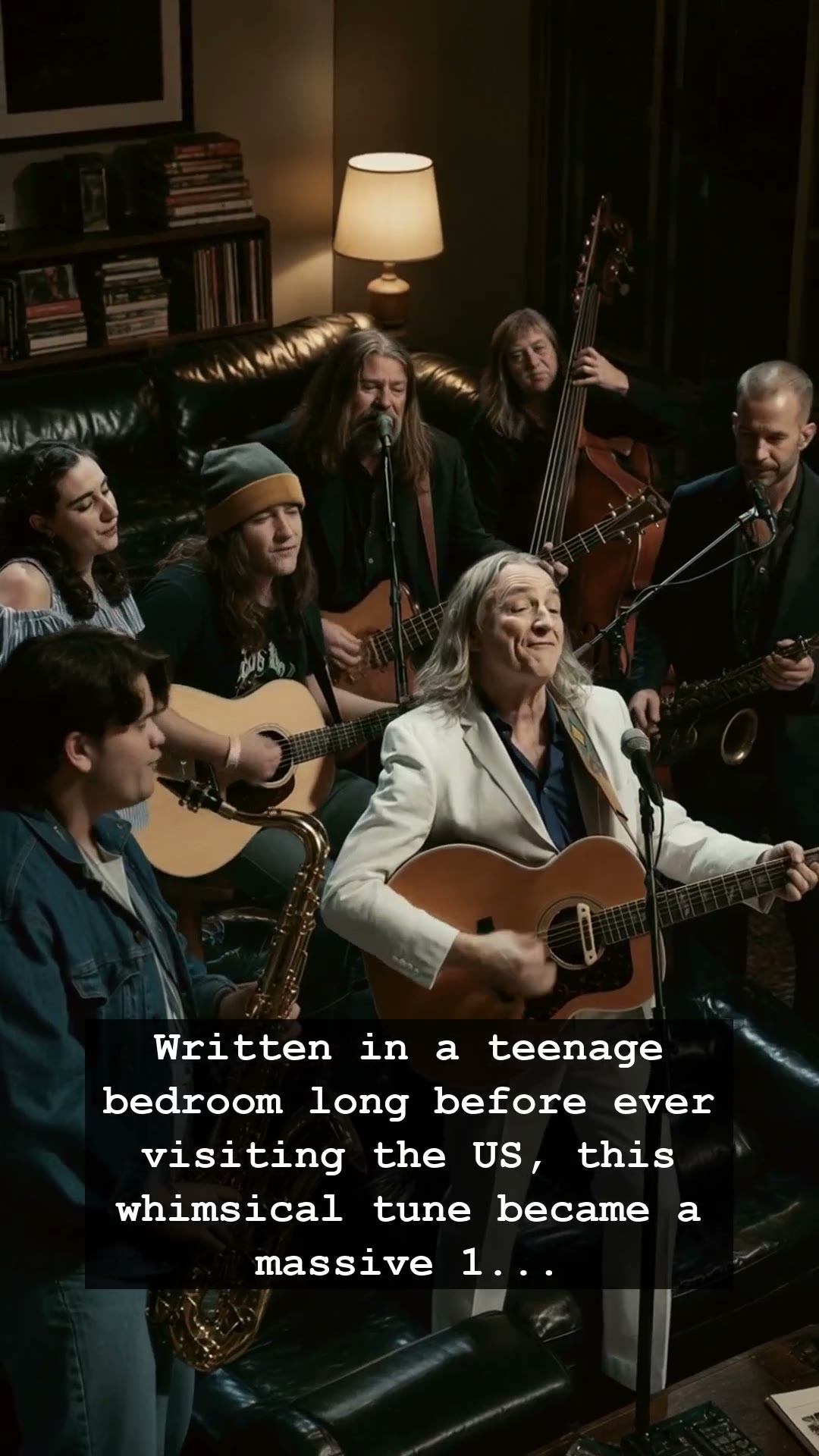
It was born in the quiet isolation of an English bedroom, long before the neon lights of the Sunset Strip or the frantic energy of American arenas ever came into focus. A teenager sat with a piano, dreaming of a world he had only seen in movies and heard through crackling radio waves, crafting a melody that felt both whimsically innocent and deeply unsettling. This song was not just a hit; it was an existential crisis set to a catchy keyboard riff. When Supertramp released The Logical Song in 1979, the world was shifting, and somehow, this track became the anthem for a generation trying to balance the transition from childhood wonder to the cold, mechanical reality of adulthood.
Roger Hodgson, the primary architect of this masterpiece, once remarked that the song was a sincere inquiry into the loss of identity. How do we hold onto our sense of self when society demands we become sensible, logical, and practical? By the time it climbed the charts, Supertramp had perfected a sound that was synonymous with the era. This was the age of the Walkman, where the high-fidelity production of Breakfast in America could be carried in your pocket, turning solitary bus rides into private, cinematic experiences. The song’s biting commentary on the school system and the pressure to conform resonated from London to Los Angeles, bridging the transatlantic divide with a sharp, synthesizer-driven edge.
Yet, the success of the album brought its own shadows. Supertramp, despite their polished sound, were never immune to the pressures that defined the late seventies music scene. While the band enjoyed a meteoric rise, the internal dynamics were complex. There was a constant tug-of-war between the artistic visions of Roger Hodgson and Rick Davies. This tension, though rarely public, gave their music an intellectual depth that many of their contemporaries lacked. They were not just playing rock; they were staging a theatrical performance of the human condition, recorded in the pristine studios of the time where every layer of sound was meticulously polished to perfection.
Looking back at 1979, The Logical Song serves as a time capsule. It captures that unique tension of the pre-digital era—the desire for connection in a world that was beginning to feel increasingly automated. It was a time when listening to a record was a ritual, a moment of focus in a rapidly changing world. The track’s success didn’t just cement Supertramp as radio titans; it validated the feelings of every listener who ever felt like a square peg in a round hole, struggling to make sense of a world that didn’t have room for dreamers.
Decades later, the song remains as relevant as it was when it first hit the airwaves. Whether you first heard it through a home stereo system or stumbled upon it later, the lyrics remain a poignant reflection on growing up. It stands as a testament to how one artist, writing in the solitude of his youth, could capture the universal anxiety of an entire generation. When you hear those opening notes today, it’s not just a memory of the seventies; it’s a mirror reflecting our own eternal search for sanity in a world that insists we be logical.