
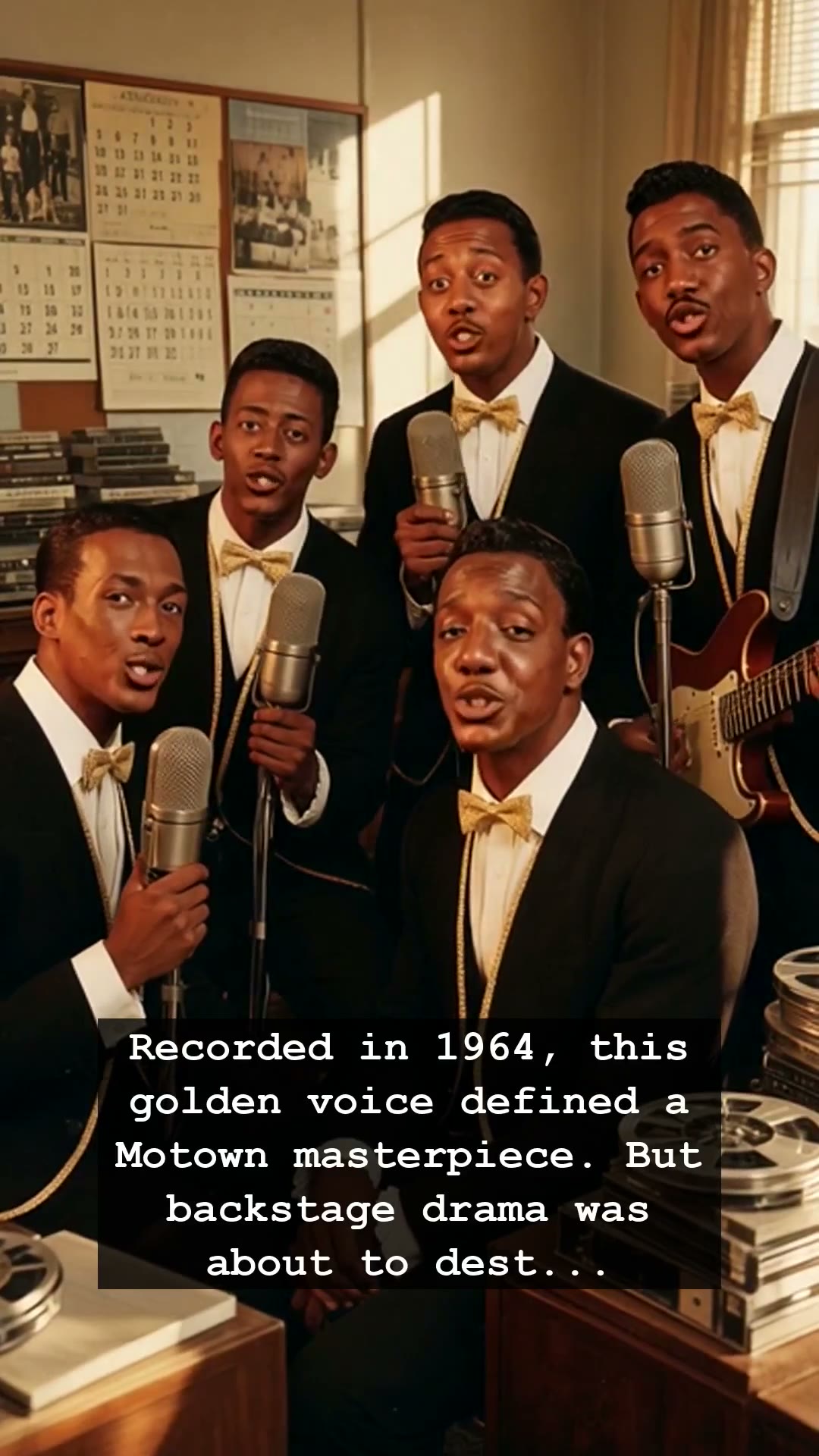
In 1964, the world heard a voice that felt like liquid gold poured over raw, aching heartbreak. When David Ruffin stepped up to the microphone to record My Girl, he didn’t just sing; he defined the sound of a generation. As the lead voice of The Temptations, his gritty, soaring tenor became the heartbeat of Motown. Yet, as the vinyl spun on record players across America, the man behind that celestial sound was descending into a private hell of ego, addiction, and volatile obsession that would eventually fracture one of the greatest vocal groups in music history.
The polished choreography and sharp tuxedos that defined The Temptations were a mask for the simmering resentment backstage. David Ruffin was undeniably the group’s charismatic engine, but his rise to superstardom fueled an insatiable demand for control. He began arriving late to rehearsals, insisting on a private limousine that trailed the band’s tour bus, and famously demanded the group be renamed David Ruffin and The Temptations. The brothers who once harmonized in perfect unity found themselves locked in a toxic power struggle that turned their dressing rooms into battlegrounds of pride and paranoia.
As the mid-sixties rolled on, the tension reached a boiling point. The Motown machine, a factory of dreams, was suddenly producing more drama than hits. Behind the glamour of the television appearances and the high-octane energy of the era, David Ruffin was spiraling. His reliance on substances grew as the pressure of maintaining his status as the king of soul consumed him. It was a classic Greek tragedy set against the backdrop of the Jukebox era, where the same spotlight that immortalized his voice began to burn away his sanity. The band members, exhausted by his erratic behavior and relentless attempts to eclipse his peers, finally reached a breaking point that led to his cold, calculated dismissal in 1968.
The irony of his departure was that his influence never left the group or the genre. Even after his exit, the ghost of his performance style lingered in every soul track that dared to be vulnerable. David Ruffin was a man who lived at the intersection of immense talent and profound instability. His story serves as a cautionary tale of the music industry during the golden age of soul, where the cost of fame was often measured in broken brotherhoods and shattered lives. He wasn’t just a singer; he was a force of nature that burned too bright, too fast.
Today, when you drop the needle on a vintage Temptations record, you are hearing the echo of a man who gave everything to his craft while losing himself in the process. His struggle remains etched into the grooves of our favorite records, a reminder that behind every anthem, there is a human soul fighting a private war. The tragic arc of David Ruffin continues to haunt the history of Motown, reminding us that even the most beautiful melodies can hide the deepest, most jagged scars of a life lived in the shadows of stardom.