
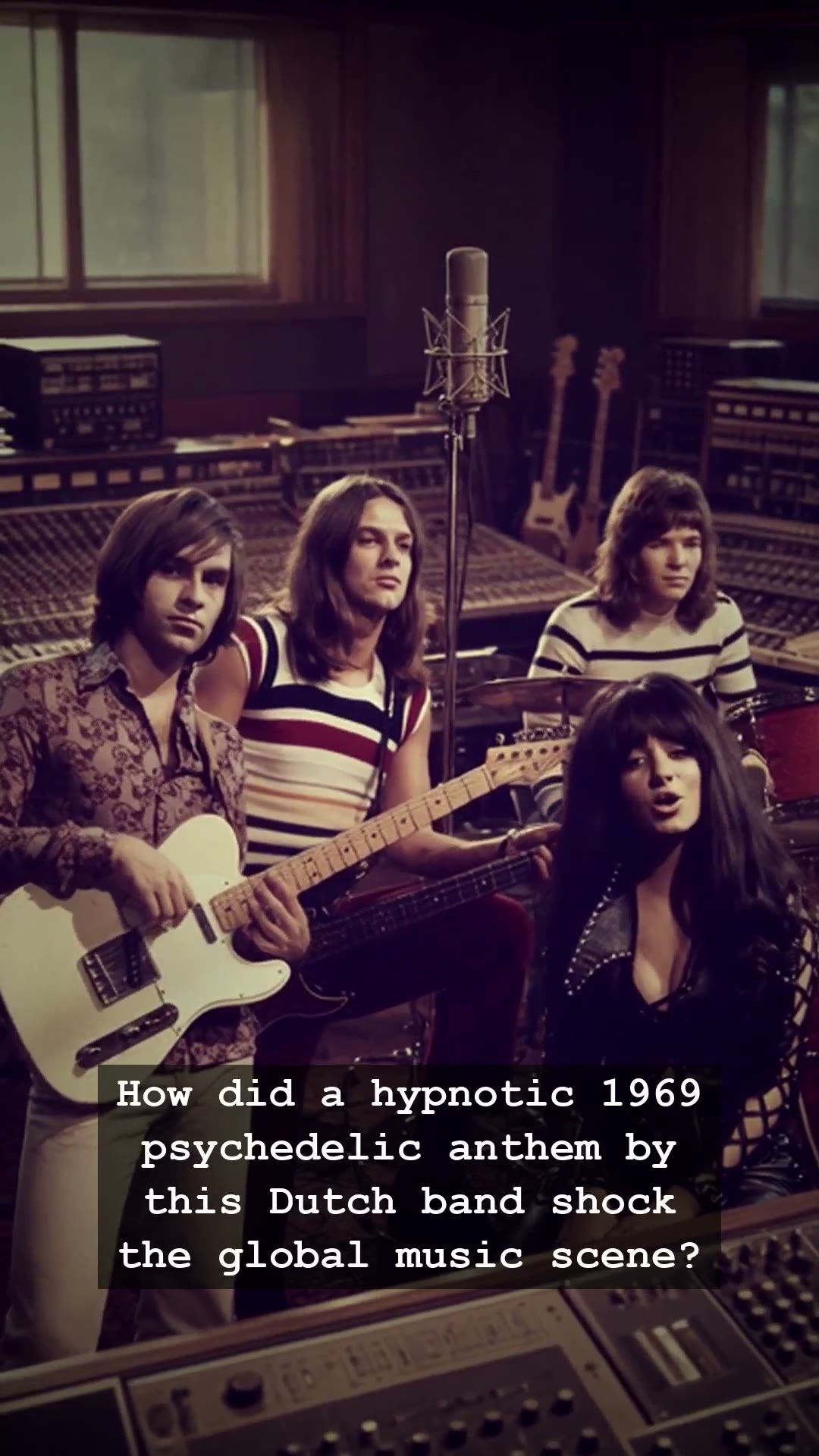
It started with a singular, hypnotic guitar riff that felt like it had been pulled straight from the desert sands of a spaghetti western, yet it originated from a small, rainy corner of the Netherlands. In 1969, the world was spinning in a haze of psychedelic dreams and social upheaval, anchored by the iconic sounds radiating from Woodstock and the shimmering lights of local jukeboxes. Amidst this cultural firestorm, a Dutch band named Shocking Blue unleashed a track that would change the trajectory of pop-rock forever. Most listeners at the time assumed they were hearing a gritty, homegrown garage rock staple from the heart of America, but the truth was far more global and unexpected than anyone dared to imagine.
Venus was the song that defied all expectations. With Mariska Veres serving as the band’s magnetic, mysterious frontwoman, Shocking Blue brought a dark, sultry energy to the airwaves. While the era was dominated by the louder, guitar-heavy explosion of psychedelic rock, this track possessed a distinct, rhythmic precision that sliced through the static of every radio station from London to Los Angeles. It was not just a hit; it was a phenomenon. The band had successfully bottled the angst and the longing of the late sixties, crafting a sound that felt timeless even as it topped the charts across the globe.
Behind the scenes, the rise of Shocking Blue was a masterclass in musical alchemy. The industry was notoriously difficult for non-English speaking acts to penetrate, yet Shocking Blue crashed the gates with undeniable style. Their success left critics and rivals scrambling to understand how a group from The Hague could capture the soul of the American rock scene so perfectly. It was a period defined by the constant evolution of sound, where the influence of the British Invasion was beginning to fray, allowing space for international outliers to take the spotlight. Their studio sessions were intense, marked by a pursuit of a specific, biting tone that would eventually become their signature mark on music history.
Yet, like many legends of the era, the fame was a double-edged sword. The relentless pressure of touring and the grueling demands of the industry began to take their toll on the members of Shocking Blue. They lived through a time when the transition from a local underground act to a household name happened in the blink of an eye, often leaving the artists feeling like strangers to their own music. The tragedy of such rapid success is that it often leaves little room for the human cost, a recurring theme in the dark chronicles of twentieth-century rock and roll.
Decades later, the haunting melody of their greatest work still resonates, surfacing in movies, commercials, and the playlists of those who remember the smell of vinyl and the flickering glow of a flickering MTV screen. Shocking Blue remains a testament to the fact that great art ignores borders. As we look back, their story serves as a reminder of a time when music felt dangerous, magical, and entirely unpredictable. If you ever find yourself spinning a dusty record on a quiet afternoon, listen closely for the echoes of a band that dared to surprise the world.