
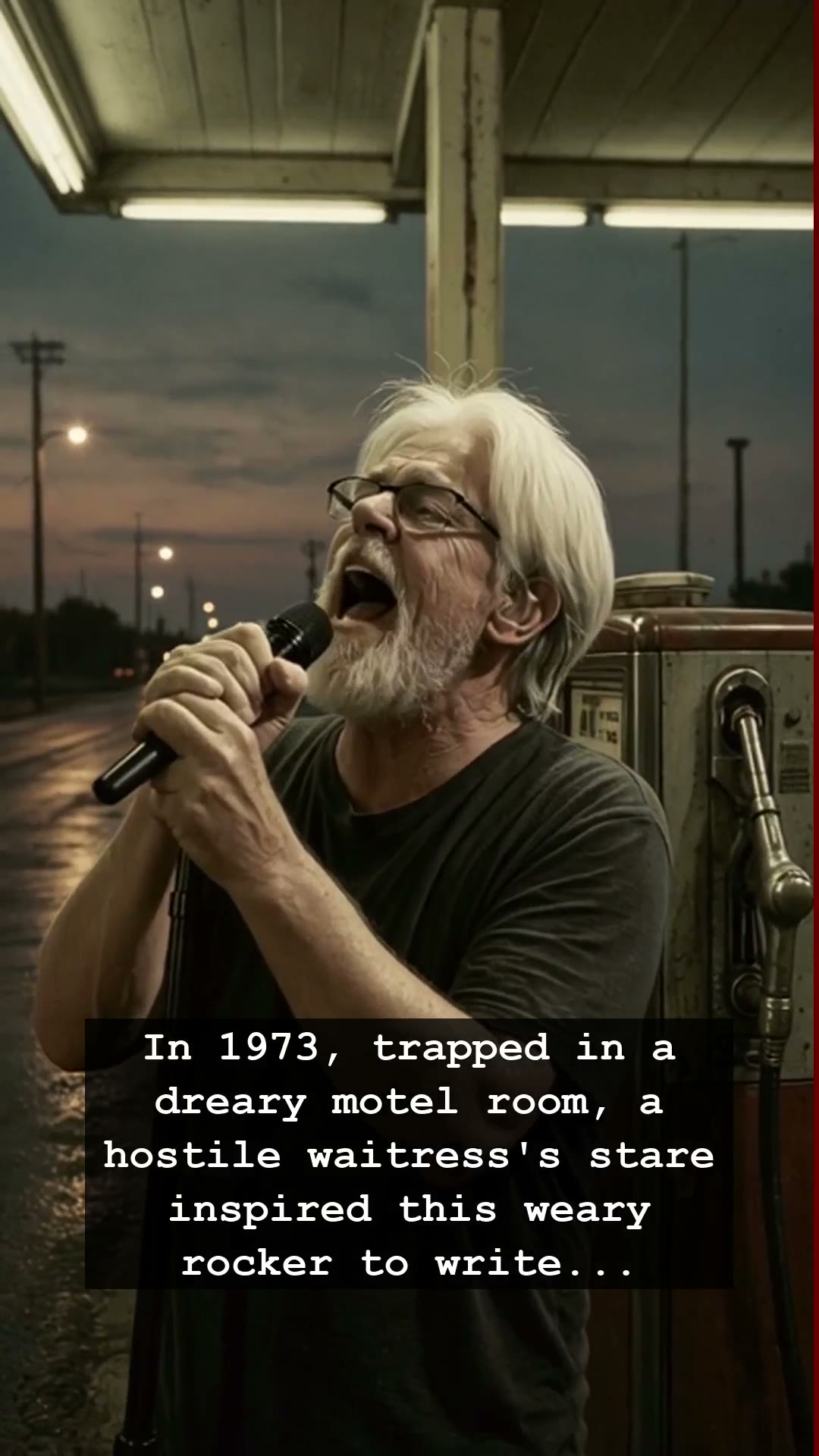
The year was 1973. The air in a bleak Wisconsin motel room was stale, thick with the scent of cheap cigarettes and the exhaustion that only a cross-country tour can inflict upon a man’s soul. Bob Seger sat there, staring at the walls, his mind reeling from the relentless pressure of the road. He had spent years grinding through the Midwestern circuit, playing for indifferent crowds in dimly lit taverns, wondering if he would ever capture the true essence of a life lived out of a suitcase. Then, he walked into a local diner. A waitress, worn down by the same grind, met his gaze with a cold, hostile look that felt like a punch to the gut. In that brief, uncomfortable silence, a song was born.
That interaction became the heartbeat of Turn The Page, a track that would eventually define the quintessential American road anthem. Bob Seger managed to distill the loneliness of the 1970s highway into four minutes of haunting saxophone and gravel-voiced truth. It was a time when the Jukebox in the corner of a dusty truck stop provided the only soundtrack to the isolation of the touring musician. While the radio waves were soon to be dominated by the glitz of the burgeoning disco scene and the stadium-filling spectacle of Arena Rock, Bob Seger remained anchored in the gritty reality of the blues-rock underground.
Recording this masterpiece was an act of raw emotional exorcism. Bob Seger wasn’t just singing about travel; he was singing about the loss of identity that occurs when you are stripped away from your home and thrust into the fluorescent-lit purgatory of transient living. The song captured the transition of an era, sitting comfortably between the folk-rock introspection of the late sixties and the harder, more polished edges of the coming decade. It resonated because it was authentic, stripping away the myth of the rock star to reveal the man who was just tired of being on the move.
Decades later, the legacy of Bob Seger’s weary masterpiece remains untouched by time. It still plays on car radios during midnight drives across desolate highways, a constant companion for those who feel the weight of the road. It serves as a reminder that the most powerful music often bubbles up from moments of deep personal discomfort and silent observation. The hostility in that waitress’s eyes might have been a small, fleeting moment in Wisconsin, but it acted as a catalyst for a narrative that spoke to millions who felt that same restless, wandering spirit.
Today, we look back at the seventies as a golden age of raw storytelling, a time before the digital gloss of modern production smoothed out the imperfections that made music human. Bob Seger stands as a pillar of that era, a testament to the power of the working-class rocker. Next time you find yourself on a long drive under the moonlight, listen closely to the opening notes of that iconic saxophone melody. You might just feel the ghost of that 1973 motel room, the heavy silence, and the profound, beautiful loneliness that turned a bitter stare into a timeless classic.