
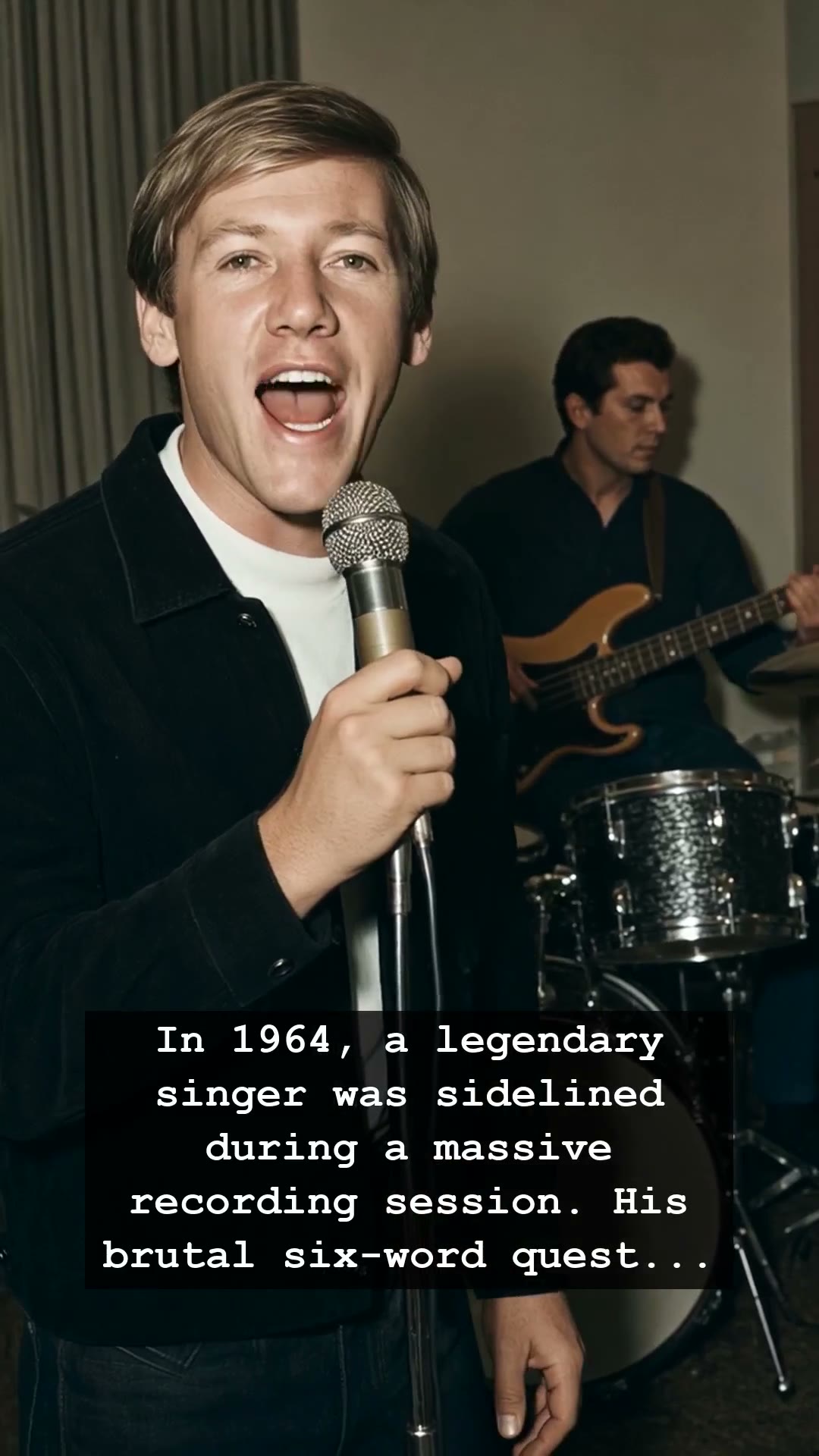
In the golden age of 1964, the airwaves were crowded with the sounds of the British Invasion and the burgeoning Motown magic. Yet, inside a cramped Los Angeles studio, a moment of profound artistic tension was unfolding that would define the sound of the decade. The Righteous Brothers were recording what would become one of the most played songs in radio history, yet for Bobby Hatfield, the session was a grueling exercise in professional frustration. As the iconic Phil Spector hovered over the mixing console, orchestrating his famous Wall of Sound, Bobby Hatfield found himself uncharacteristically sidelined, pacing the floor while his partner Bill Medley took the lead on the track’s haunting, low-register opening.
The song was You’ve Lost That Lovin’ Feelin’, a masterpiece of blue-eyed soul. However, the recording process was anything but harmonious. Spector, known for his relentless perfectionism and volatile temper, was pushing the duo to their physical and emotional limits. Bobby Hatfield, a tenor with a soaring, gospel-infused range, felt his signature power being suffocated by the producer’s dense, layered production. The silence in the room was suffocating. Finally, unable to contain his frustration any longer, Hatfield turned to Spector and uttered a brutal, six-word question that echoed through the studio: What am I supposed to do now?
Spector’s reply was as cold as it was calculated. He looked at Bobby Hatfield and muttered, You can go to the bank and collect your money. It was a dismissal that cut deep, reducing an artist’s soul to a mere transaction. Yet, that tension—the raw, simmering resentment and the desperate need to prove one’s worth—is exactly what pulses through the final recording. When the chorus kicks in and Hatfield finally unleashes that legendary, glass-shattering high note, you aren’t just hearing a vocal performance; you are hearing the sound of a man fighting to be heard over a wall of sound that threatened to bury him alive. It is a moment of pure, unadulterated musical drama that resonates even sixty years later.
That recording session remains a testament to the dark underbelly of the studio system during the mid-sixties. It was a time of immense cultural shifting, where the Jukebox was king and the radio was the primary vessel for human connection. You’ve Lost That Lovin’ Feelin’ became the ultimate anthem of longing, not just because of the lyrics, but because of the genuine desperation captured in the booth. Bobby Hatfield, often overshadowed by the sheer scale of the production, provided the emotional climax that made the world weep. He brought a sense of vulnerability to the track that transformed it from a pop song into an enduring cultural monument.
Today, when we hear the opening bars of that timeless hit, we are transported back to a world of analog warmth and deep, complex human stories. We think of the drive-in theaters, the smoky clubs, and the feeling of a first heartbreak experienced through a transistor radio. Bobby Hatfield never stopped singing with that same desperate passion, carrying the weight of that 1964 session throughout his career. His journey reminds us that behind every polished hit record, there was often a struggle, a battle of egos, and a human heart trying to find its place in the spotlight. Next time you hear those opening chords, listen closely for the man who was told to just collect his check, and hear instead the voice of a legend who demanded to be felt.