
In the golden age of the early seventies, while the world was obsessed with the glitz of disco and the stadium-shaking roar of arena rock, a quiet, haunting specter was emerging from the shadows of Los Angeles. Most people remember 1971 as the year of heavy hitters, but for those who look a little deeper into the crates of vinyl history, it was the year that Judee Sill graced the world with her eponymous debut. It was a time when the echoes of Woodstock were still vibrating in the air, and songwriters were becoming the poets of a disillusioned generation. Amidst the chaos of the music industry, Judee Sill stood alone, armed with nothing but an acoustic guitar and a soul that had survived a lifetime of wreckage.
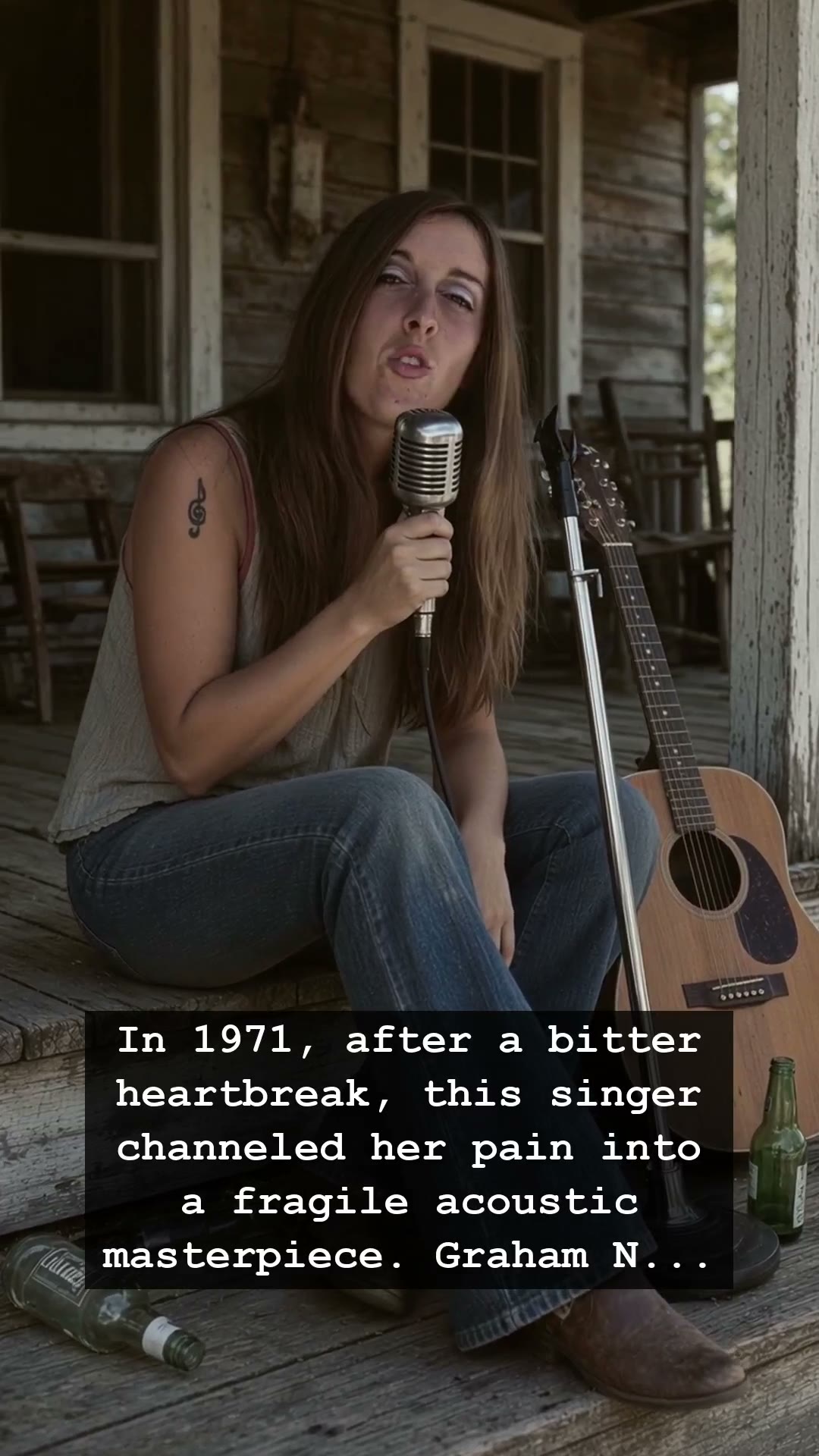
The story of this masterpiece begins in the visceral, raw ache of a bitter heartbreak. Judee Sill was not your typical folk singer; her life was a tumultuous film noir script brought to reality. She had spent years navigating the underbelly of society, finding solace in the intricate, hymn-like melodies that would eventually define her sound. When she finally stepped into the studio, the air was thick with the residue of her past. Graham Nash, the legend who recognized her singular genius, decided that this voice was too precious to remain hidden. He stepped up to produce her debut, marking it as the very first release for the Asylum Records label—a bold, prophetic move that aimed to capture the fragile weight of her existence.
Listening to that record today is like finding a dusty, unread diary in an attic. There is an undeniable sense of isolation in her music, a feeling that resonates deeply with anyone who has ever loved and lost. While her contemporaries were busy chasing the commercial highs of the charts, Judee Sill was composing baroque-folk confessionals that felt both ancient and eerily modern. It is the sound of a woman standing on the precipice, turning her deepest private traumas into something beautiful, structured, and profoundly haunting. The production is sparse, allowing her voice to tremble through the speakers, carrying the ghosts of her experiences with a clarity that still stings decades later.
The tragedy of Judee Sill lies in how her brilliance was eventually eclipsed by the very demons she sang about. The seventies were a cruel landscape for those who lived too intensely, and the pressure of the music industry proved to be a weight she could not always bear. Yet, when you place the needle on the record, the heartbreak dissolves into something transcendent. You are transported back to a dimly lit room where the only thing that mattered was the honesty of a melody. It is a reminder that some of the most influential music of the era didn’t come from the giant arenas, but from the quiet, desperate corners of the human heart.
Today, we look back at Judee Sill not just as a footnote in folk history, but as an architect of a specific, melancholy sound that paved the way for generations of indie songwriters. Her legacy is not found in chart-topping success or massive cultural movements, but in the intimate, lingering questions her songs pose to the listener. As the soft acoustic strumming fades into silence, you are left with the ghost of a talent that burned too bright and too briefly. Does her haunting melody still echo in your mind, reminding you of the beauty hidden within our deepest scars?