
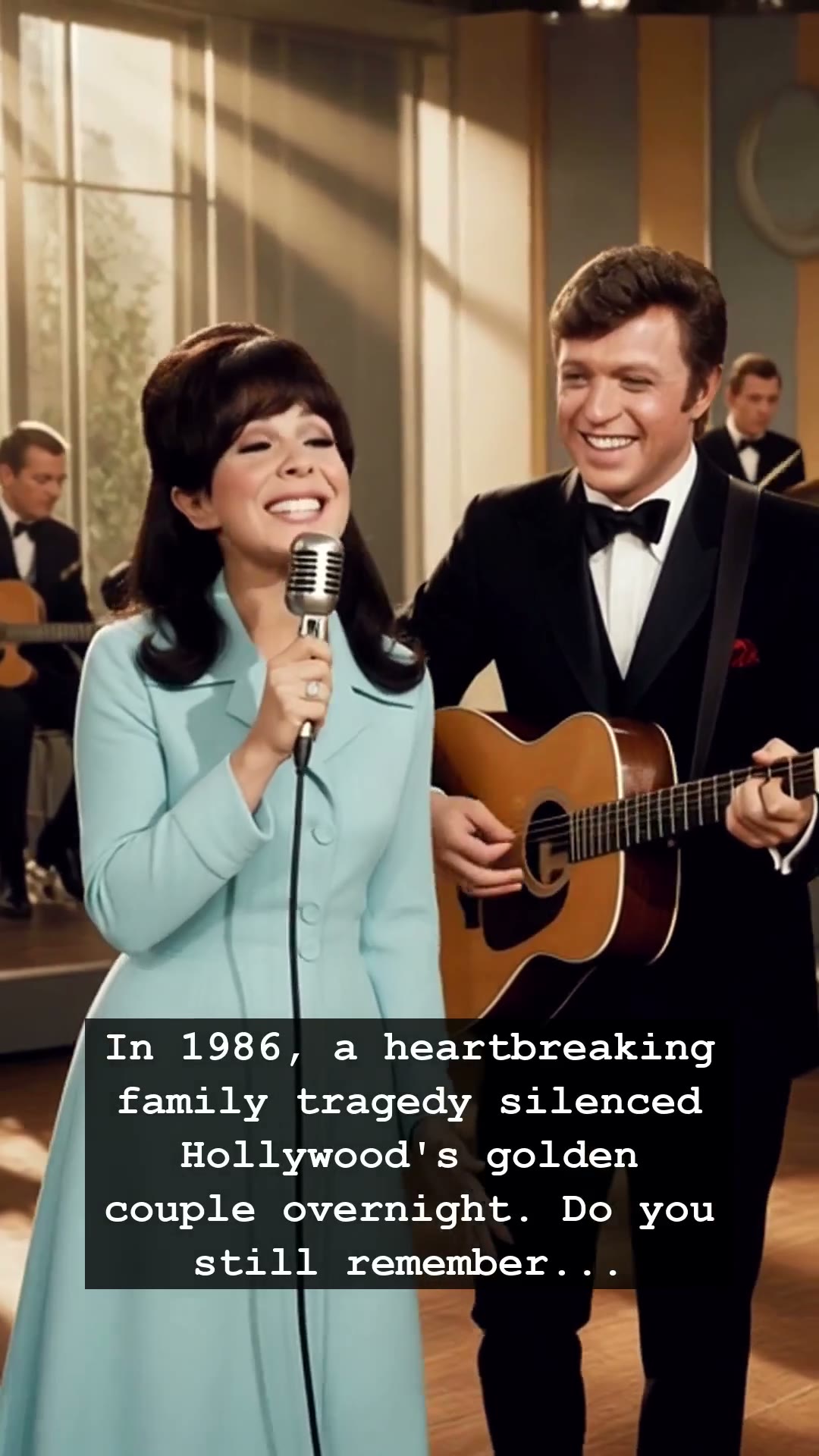
In the golden age of American pop, few voices glittered with the effortless elegance of Eydie Gorme. She was the queen of the nightclub circuit, a powerhouse whose vocal range could move from a sultry whisper to a triumphant belt without breaking a sweat. Alongside her husband, Steve Lawrence, she didn’t just perform; they commanded the airwaves of the 1960s and 1970s. Whether they were appearing on variety shows or bringing the sophisticated charm of the standards to the masses, they were the quintessential Hollywood power couple. Yet, beneath the glamour of the spotlight and the rhythm of the orchestra, a profound and shattering silence was waiting to descend.
By 1986, the music landscape had shifted dramatically. While MTV was busy ushering in the neon age of synth-pop and the radio was dominated by the rising tide of arena rock, Eydie Gorme remained a timeless fixture in the hearts of millions. Her voice was the soundtrack to a thousand dinner parties, a comforting constant in an increasingly turbulent world. But that year, the music stopped for a reason far more devastating than shifting industry trends. The sudden, tragic death of their twenty-three-year-old son, Michael, tore the soul out of their private lives, forcing the legendary duo into an immediate and heartbreaking withdrawal from the public eye.
It was a grief so profound that the glitz of Las Vegas and the applause of sold-out auditoriums suddenly felt like a different lifetime. For fans who had followed Eydie Gorme from her early days on the Steve Allen Show to her Grammy-winning peaks, the loss felt personal. It was a reminder that even those who seem to live above the fray of reality, bathed in the warmth of celebrity, are subject to the same cruel, unpredictable hand of fate that touches us all. The couple retreated from the limelight, prioritizing their survival over their stardom in a way that commanded a somber, respectful silence from the public.
Looking back, the legacy of Eydie Gorme is not just defined by her technical brilliance or her hit records, but by the humanity she projected. In an era before the curated social media personas of today, she was authentic. She lived through the transition from jukeboxes and vinyl records to the dominance of the Walkman, yet she never lost that mid-century magic that defined her peak years. The tragedy of 1986 serves as a poignant bookmark in her history, a moment where the world realized that the voice of an icon was fueled by a real, fragile heart.
Today, as we revisit the recordings of Eydie Gorme, we hear more than just notes on a staff; we hear the echoes of a life lived fully and lost painfully. Her music remains a bridge to a bygone era of sophistication, reminding us that while voices may eventually fade into the archives of time, the emotional resonance of a true artist remains permanent. Do you still remember her voice? It is a sound that once defined the American dream, and in the quiet of a nostalgic afternoon, it still holds the power to break your heart all over again.