
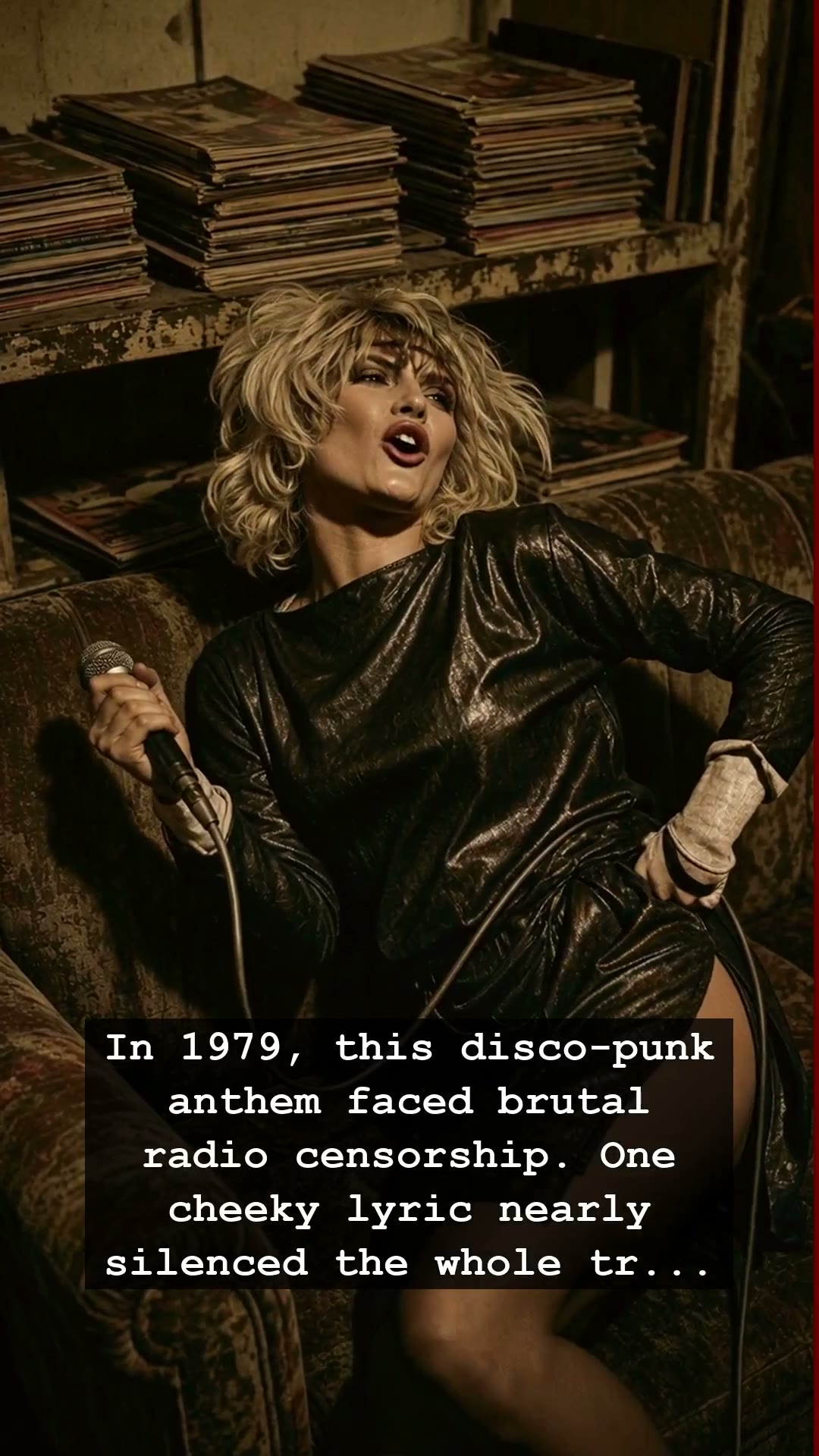
The year was 1979, and the airwaves were dominated by the polished pulse of disco. At the heart of this cultural explosion was Blondie, a band that dared to blur the lines between the grit of the Bowery’s punk scene and the neon-soaked hedonism of Studio 54. Their global smash hit, Heart of Glass, became the definitive anthem of the era, a shimmering masterpiece of synth-pop and disco fusion. Yet, beneath the glitter and the hypnotic rhythm lay a secret conflict that nearly silenced the track before it could reach the pinnacle of the Billboard charts.
To the millions of listeners tuning in on their car radios or dancing under mirror balls, Heart of Glass sounded like pure, unadulterated pleasure. However, the radio censors of the late seventies were far less forgiving. Deep within the verses, a single, cheeky, and somewhat suggestive lyric caused a firestorm of controversy among conservative stations. The industry was terrified that this minor lyrical edge would corrupt the youth or offend the sensibilities of a mainstream audience still clinging to the traditional values of the early seventies.
Rather than backing down or letting the song fade into obscurity, Blondie faced an ultimatum that led to one of the most bizarre creative pivots in rock history. To ensure their anthem survived the brutal gauntlet of radio censorship, the band members, including the iconic Debbie Harry, had to scramble to the studio in secret. They recorded a sanitized version of the track, delicately masking the offending words to satisfy the censors while attempting to preserve the infectious energy that made the song a timeless classic. It was a clandestine operation in an age before digital editing, requiring raw tape splicing and precise vocal rerecordings.
This tension between the artistic subversion of the punk movement and the commercial demands of the radio era defines the legacy of Blondie. While the band eventually conquered the world, the story of their radio battle serves as a reminder of how fragile pop stardom was during the rise of the MTV generation. It was a time when a simple line in a song could trigger national debate, yet it was also a time when creative rebellion was often forced to adapt to survive in the shadow of corporate oversight.
Today, Heart of Glass remains a vital piece of musical history, transcending its disco-punk roots to become a permanent fixture in the soundtrack of our collective memory. When you hear that opening synthesizer riff today, remember the quiet, intense drama that occurred behind the scenes. It was not just a song; it was a battleground where art met the establishment. Blondie proved that even when silenced or forced to conform, true icons find a way to let their sound endure. Do you remember the first time this song came on the radio, or were you too busy dancing to notice the rebellion hidden in plain sight?