
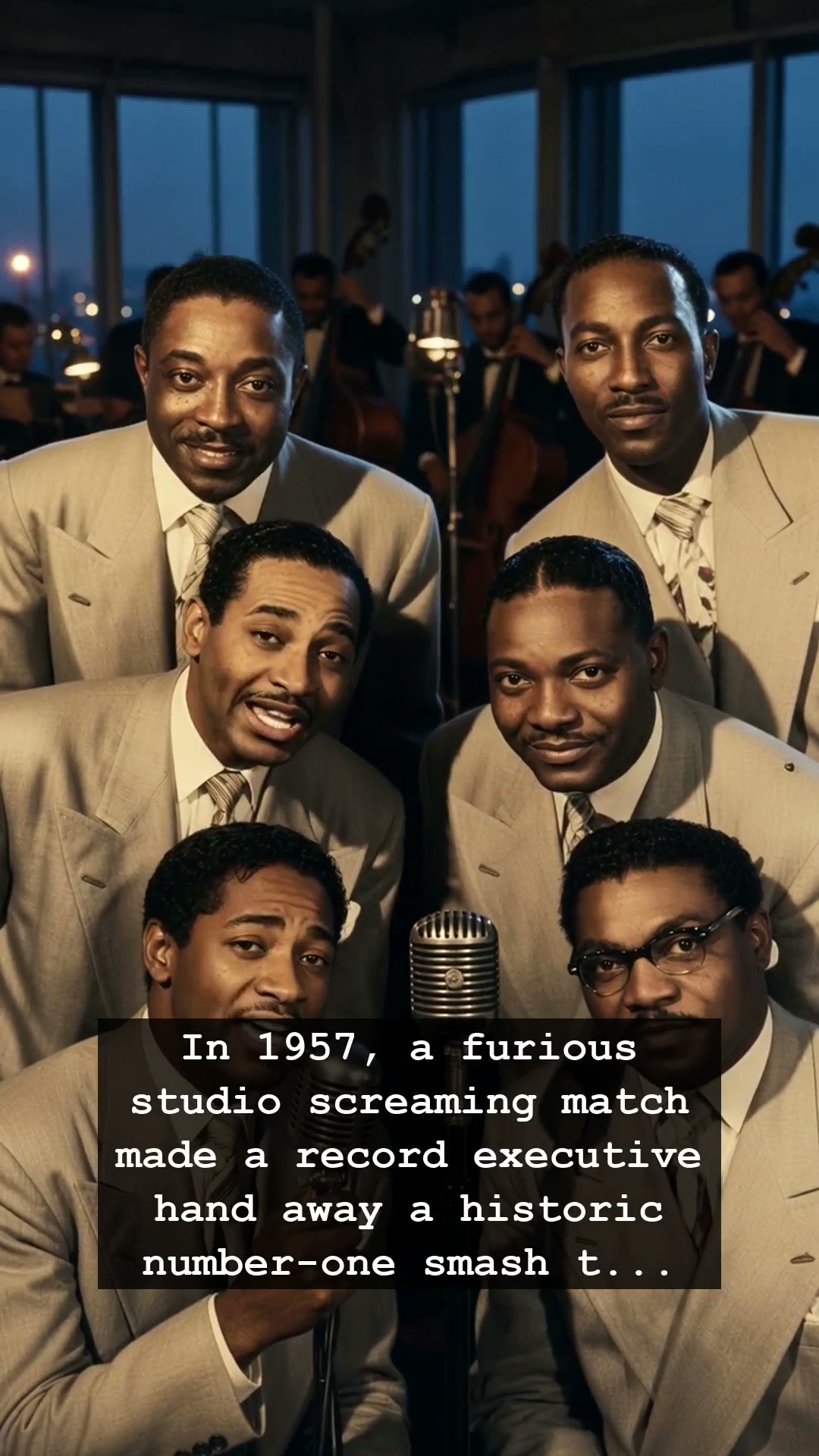
The year was 1957. Inside a dimly lit studio, the air was thick with the scent of cheap cigarettes and the heavy tension of a creative civil war. A record executive, blinded by his own rigid standards for what a hit record should sound like, found himself in a screaming match that would define a generation of music. The subject of the dispute was a polished, pop-style backing vocal track that felt too modern, too ambitious, and too dangerous for the traditional gospel sensibilities of the time. When the smoke cleared and the shouting ceased, the executive made a fatal error in judgment, effectively handing a historic number-one smash over to a rival startup. He didn’t just lose a single track; he lost the architect of the soul movement, Sam Cooke, and millions of dollars in future royalties.
Sam Cooke was never just a singer. He was a force of nature, a man whose voice could bridge the gap between the sanctity of the church and the intoxicating rhythm of the secular stage. Before that fateful 1957 confrontation, the music industry was largely divided into stark, immovable categories. If you came from the gospel circuit, you were expected to stay there. But Sam Cooke heard the future in his head, a sound that blended the raw passion of the pulpit with the smooth, rhythmic appeal of the emerging jukebox culture. When he dared to bring pop-leaning arrangements into the studio, the gatekeepers reacted with visceral fear, refusing to see that the world was about to change.
Walking away from that disastrous meeting, Sam Cooke carried the seeds of a revolution. He wasn’t just another artist struggling for a break; he was a pioneer who understood the power of independence. By moving his vision to a rival label, he didn’t just find a home for his hits; he forced the industry to reckon with the autonomy of the Black artist. He proved that an artist could maintain artistic integrity while dominating the charts. The resulting string of hits turned every transistor radio in America into a portal to the soul, forever altering the landscape of the late fifties and beyond.
Today, we look back at the era of Sam Cooke with a deep, aching nostalgia for a time when music felt like a seismic shift in culture rather than a curated product. Think of the crackle of a vinyl record, the warm glow of a jukebox in a roadside diner, and the way the world stopped when that velvet voice hit the airwaves. That 1957 clash reminds us that the greatest art often comes from the most uncomfortable friction. It reminds us that behind every classic song, there is often a high-stakes drama that almost prevented the masterpiece from ever reaching our ears.
Sam Cooke remains an enduring icon because he refused to stay in the box the industry built for him. His legacy isn’t just in the number-one hits or the gold records; it is in the courage to challenge the establishment and the brilliance to reinvent the sound of an entire nation. The next time you find yourself lost in the smooth, timeless melody of a Sam Cooke classic, remember that the music you love was born from a moment of defiance. It serves as a gentle reminder to trust your vision, even when the rest of the world screams otherwise.