
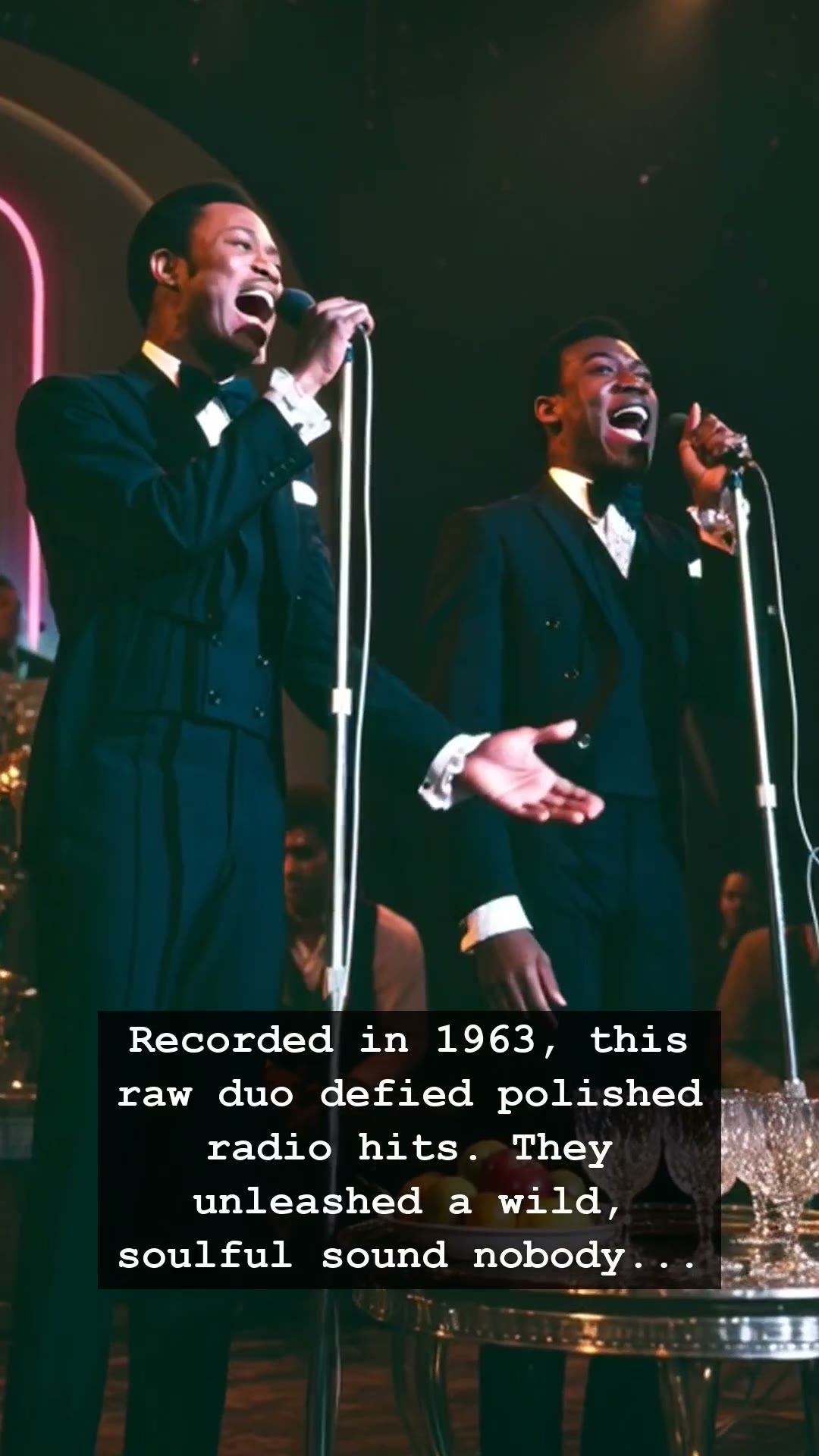
In 1963, the airwaves were dominated by carefully manicured pop melodies, but a storm was brewing in the dimly lit clubs of Southern California. Out of the raw, sweat-soaked energy of the local scene emerged The Righteous Brothers, a duo whose sound was less like a polished radio hit and more like a seismic shift in American music. With Bill Medley’s cavernous, earth-shaking baritone and Bobby Hatfield’s soaring, fragile tenor, they brought a kind of blue-eyed soul that felt dangerous, authentic, and entirely unapologetic. While the industry pushed for perfect, radio-friendly harmonies, these two men chose to let their imperfections bleed into the microphone, creating an emotional landscape that listeners had never quite experienced before.
The genesis of The Righteous Brothers was not a calculated move by a record label, but a collision of two distinct musical temperaments. Before they took the stage together, they were just two young men caught in the grinding gears of a pre-Beatles era where the Jukebox was king and soul music was often segregated by color lines. When they hit the stage, their voices didn’t just blend; they sparred, they pleaded, and they elevated one another to a fever pitch. There was an unspoken tension, a fraternal rivalry that pushed them to reach notes most singers wouldn’t dare touch. It was this internal friction, this desperate need to be heard over the noise of a changing world, that defined their legacy.
Their sudden rise wasn’t without its scars. To achieve that signature Wall of Sound production—often championed by the legendary and volatile Phil Spector—the duo had to endure grueling studio sessions that would drive lesser artists to exhaustion. The pressure of maintaining their status in an industry hungry for the next big thing weighed heavily on them, as they navigated the dark side of fame fueled by late-night exhaustion and the immense expectations of a public obsessed with their sound. They weren’t just musicians; they were symbols of a shift toward a more raw, visceral form of expression that would eventually pave the way for the arena rock spectacles of the 1970s.
Even today, listening to their early tracks brings back the scent of vinyl dust and the crackle of a warm tube amplifier. Their music captures the specific longing of a generation caught between the innocence of the fifties and the turbulent social upheaval of the late sixties. The Righteous Brothers managed to capture lightning in a bottle, a moment in time when pop music felt like a matter of life and death rather than a simple product of marketing. It is that emotional gravity that keeps their records spinning on turntables around the world decades later.
As we look back at the golden age of American music, The Righteous Brothers remain an essential pillar of that history. Their story is a testament to the fact that true art often comes from the most uncomfortable, unpolished places. They didn’t just sing songs; they poured their souls into the ether, leaving behind a sonic footprint that refuses to fade. Whenever you hear that opening piano chord of a classic ballad, remember that it took two brothers, a bit of ego, and a whole lot of soul to change the sound of a nation forever.