
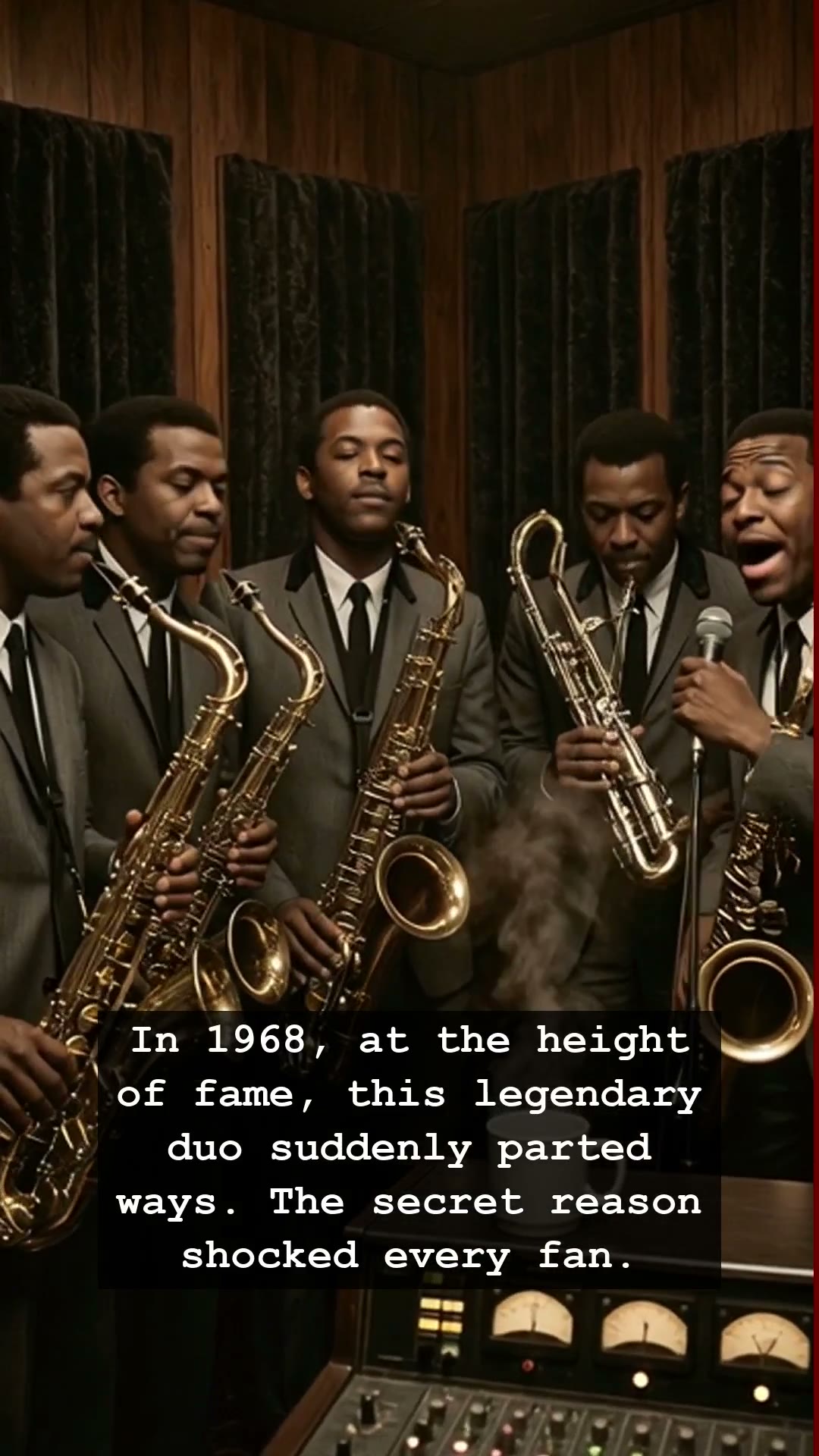
In 1968, the world of blue-eyed soul was silenced by a deafening crack. At the very pinnacle of their success, with chart-topping hits vibrating through every jukebox in America, The Righteous Brothers abruptly shattered. For fans who had spent years swooning over their operatic harmonies, the news was a jagged pill to swallow. How could two voices that blended so perfectly in the studio become so discordant in real life? The truth behind their parting was far more complex than a simple career move; it was a slow-burning friction that had been smoldering beneath the surface of fame for years.
Bill Medley and Bobby Hatfield were never just partners; they were a study in volatile contrasts. Medley, with his deep, baritone growl, provided the sturdy foundation, while Hatfield’s soaring, fragile tenor brought the ethereal longing that defined their massive hit, You’ve Lost That Lovin’ Feelin’. Throughout the mid-sixties, as they navigated the shifting tides of the music industry—from the polished Motown era to the burgeoning psychedelic movement—the pressure to maintain their legendary status became suffocating. The relentless grind of tours and the high-stakes demands of record producers created an environment where creative differences were no longer just minor disagreements, but fractures in the foundation of the duo.
By 1968, the stress of being the poster boys for blue-eyed soul had reached a breaking point. The intense personal rivalry and the feeling of being trapped in a static public identity weighed heavily on both men. When they finally decided to go their separate ways, it felt as though the golden age of their particular sound had been extinguished. For the fans listening to their records on portable radios or through the crackle of a vinyl player, the split felt like the end of an era. The harmony, quite literally, had been lost, and the public was left to speculate on the dark, unspoken tensions that had turned brothers in song into strangers in silence.
Looking back, the story of The Righteous Brothers serves as a poignant reminder of the heavy toll that the music industry exacted on artists during the sixties. It was an era defined by rapid cultural transformation, where fame was a double-edged sword that often cut the very people it elevated. The fallout of 1968 was a manifestation of the raw, human cost of artistic perfection. While they would eventually reunite in the decades to follow, that specific moment of separation remains a defining chapter in their history, a testament to the fact that even the most beautiful music is often born from the deepest personal conflicts.
Today, when we hear the opening notes of their timeless classics, we are transported back to a time of diners, late-night radio, and the uncomplicated longing of a generation. The Righteous Brothers remain icons not just because of their talent, but because their story is fundamentally human. It is a narrative of ambition, struggle, and the fragile nature of musical alchemy. As we celebrate their legacy, we are reminded that their greatest hits were more than just songs; they were emotional anchors in a changing world, proving that even when the harmony fades, the soul of the music lingers on forever.