
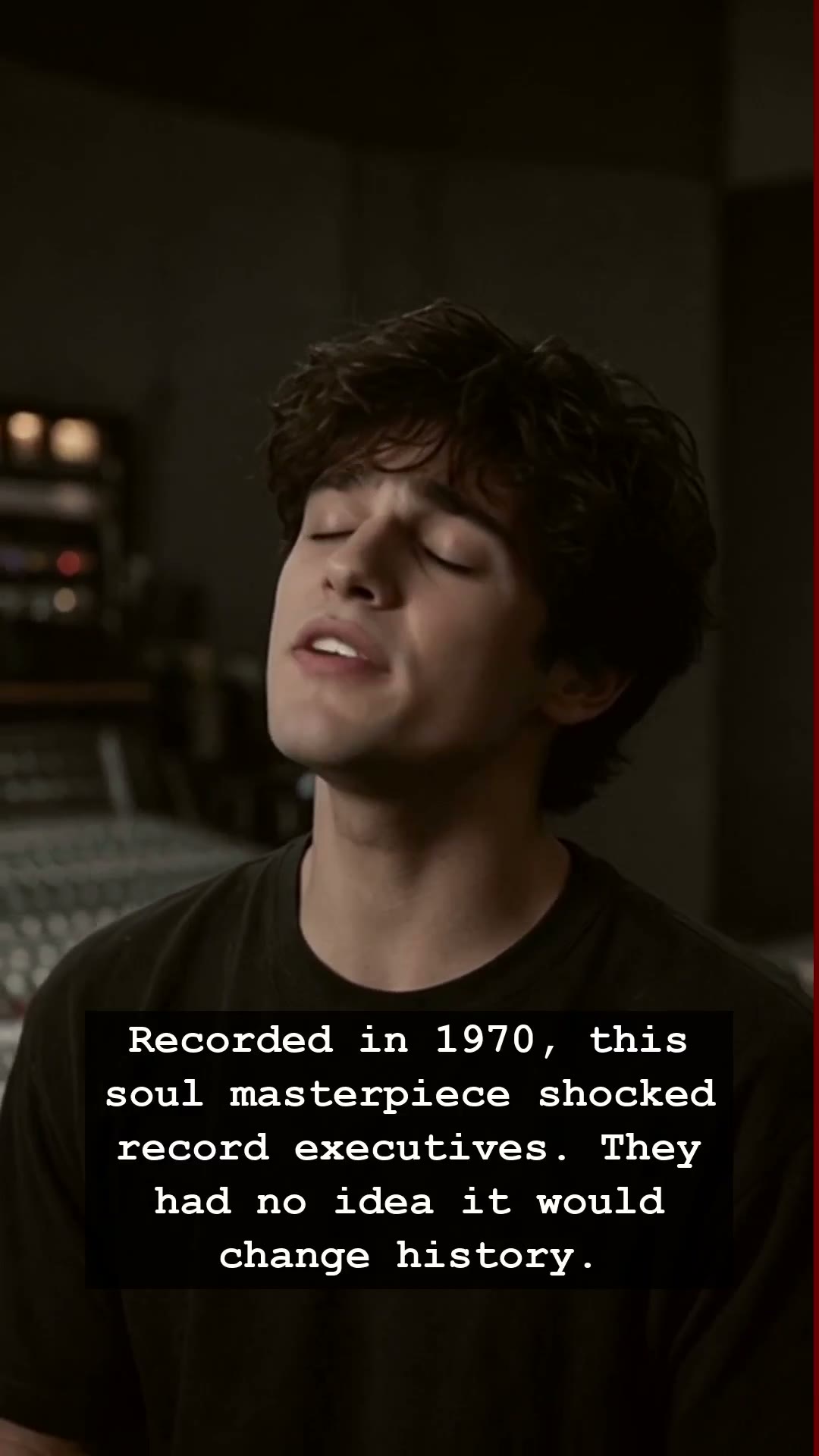
It was 1970, and the air in the recording studios was heavy with the scent of cigarettes and the tension of a changing nation. Record executives sat in their plush offices, accustomed to the safe, radio-friendly grooves of the Motown machine. They wanted melodies that promised a good time, not lyrics that mirrored the fractured reality of American streets. Then, Curtis Mayfield walked in with his debut solo album, Curtis, and a master tape that would eventually send shockwaves through the entire industry. The suits were terrified; they feared his raw social truths were too dangerous, too blunt, and ultimately, too real for a public they assumed preferred blissful ignorance over hard-hitting poetry.
Curtis Mayfield was no stranger to the spotlight, having already made his mark with The Impressions. Yet, as he transitioned into his solo career, he shed the polished veneer of mid-sixties pop. In an era when the Vietnam War was tearing families apart and urban decay was no longer a hidden secret, Mayfield chose to speak directly to the soul of the people. Tracks like Move On Up and We the People Who Are Darker Than Blue weren’t just songs; they were sonic sermons. They captured the spirit of a generation caught between the idealism of the late sixties and the harsh, cynical reality of the early seventies.
What made the work of Curtis Mayfield so revolutionary was its refusal to compromise. While his contemporaries in the disco clubs were polishing their sequins for the shimmering lights of Studio 54, Mayfield was looking at the cracks in the sidewalk. He blended the gospel roots of his Chicago upbringing with the sharp, biting social commentary of the time, creating a soundscape that felt both intimate and prophetic. He didn’t just sing about struggle; he orchestrated it with complex arrangements, funk-infused guitars, and a falsetto that could simultaneously convey deep sorrow and soaring hope.
History ultimately proved the terrified executives wrong. The album didn’t just survive; it defined a cultural shift. It laid the foundation for the socially conscious soul movement and influenced countless artists who would carry the torch of lyrical activism into the eighties and beyond. Listening to those tracks today, played on a vintage turntable or humming through a classic pair of headphones, one can still hear the tremors of that 1970 revolution. It was the moment soul music grew up and started asking the difficult questions that mainstream media had been trying to suppress.
Curtis Mayfield eventually became a symbol of artistic integrity, a man who navigated the pressures of fame and the darker temptations of the music industry without losing his voice. He remained a beacon of truth in an industry built on smoke and mirrors. Decades later, his legacy is not just in the records he sold, but in the courage he gave to the listeners who finally felt heard. As we look back at the era of the Jukebox and the rise of personal audio, it is impossible to ignore how his genius shaped the soundtrack of our collective memory. His music remains a timeless testament to the power of a single artist to change the course of history.