
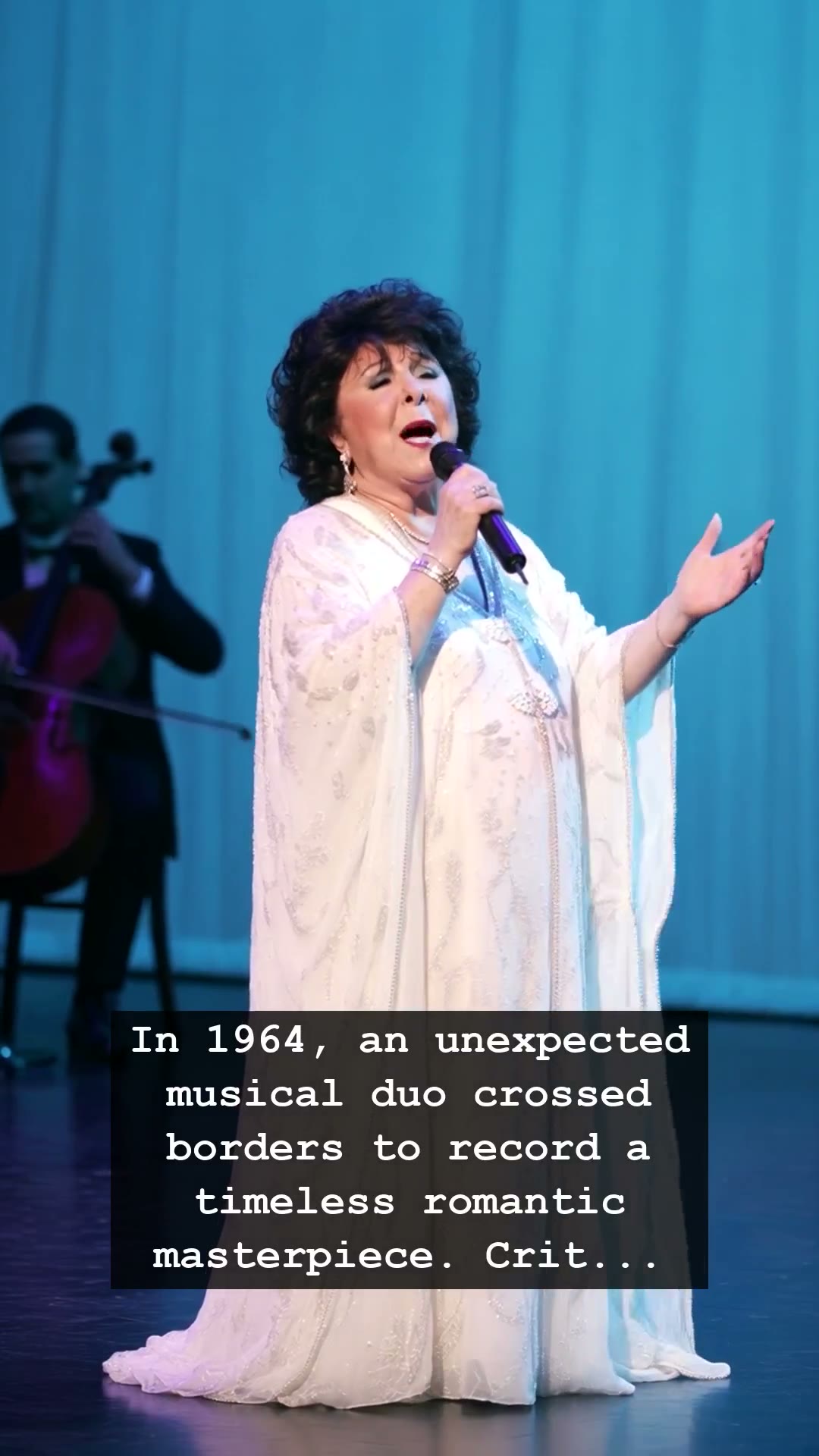
In 1964, the airwaves were dominated by the rising tide of Beatlemania and the polished pop sounds of the American jukebox. Yet, in a quiet studio, a gamble was unfolding that defied the era’s rigid boundaries. Eydie Gormé, a powerhouse of American pop, took a risk that industry insiders whispered would be the end of her mainstream dominance. She decided to team up with the legendary Mexican bolero trio, Los Panchos. Critics were ruthless, claiming a language barrier would crush the project. They could not have been more wrong, as this union birthed a timeless romantic masterpiece that resonated far beyond the borders of California or Mexico City.
Eydie Gormé was already a television staple, a radiant star who commanded attention with her impeccable vocal range. When she traveled to Mexico to record with Los Panchos, she wasn’t just chasing a new market; she was chasing a feeling. The trio, masters of the romantic bolero, brought an intimacy that contrasted sharply with the booming brass sections of American big bands. When Eydie Gormé stepped to the microphone, her Spanish pronunciation was polished, but it was the raw, genuine emotion she poured into classics like Sabor a Mí that shattered expectations. It was a bridge built across cultures, a moment where the cold, analytical music industry was forced to bow to pure, unfiltered romance.
This collaboration arrived at a time when the world was changing rapidly. While the youth were busy turning up the volume on rebellious garage rock, the sophisticated arrangements of Eydie Gormé and Los Panchos reminded listeners of the beauty in patience and poetic longing. The studio sessions were charged with a unique creative tension. The trio was used to a specific, disciplined style, and Eydie Gormé brought a Broadway-honed precision that initially caused friction. Yet, as the tapes rolled, those sparks turned into a fire of musical synergy that remains unmatched in the annals of latin-pop history.
Decades later, the impact of this union is still felt in every candlelit dinner and slow dance at weddings worldwide. It remains a testament to the idea that music does not need a common language to be understood by the heart. Their recordings are more than just tracks; they are a time capsule of a moment when an American star dared to lose herself in the melodies of a different world. For those of us who remember the crackle of a record player and the warmth of a vintage analog sound, their songs remain the ultimate soundtrack for the soul.
Looking back, the story of Eydie Gormé and Los Panchos feels like a defiant act of artistic bravery. They proved that authenticity always outlasts trends. Even as we moved from vinyl to cassettes and eventually to the digital age, the haunting, romantic echoes of their work remain as vibrant as that winter in 1964. The next time you find yourself longing for the golden age of music, put on their record, close your eyes, and let their timeless harmony transport you back to an era where love was sung in the most beautiful way possible.