
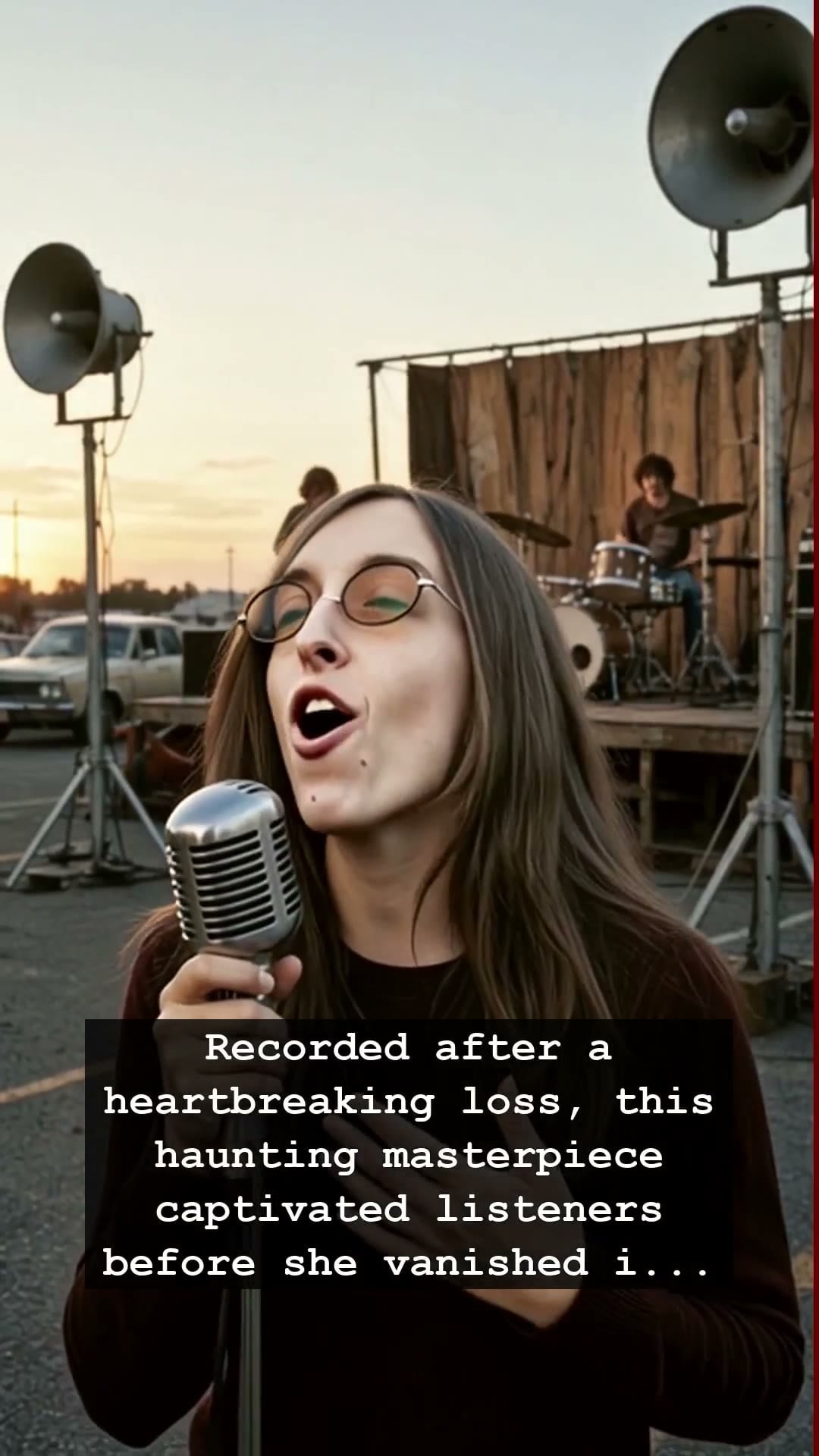
In the golden age of the early 1970s, amidst the hazy, velvet-curtained atmosphere of the Laurel Canyon folk scene, one artist stood apart with a sound that felt like a prayer whispered in a cathedral. Judee Sill arrived on the scene with a rare, complex genius that defied the simple acoustic tropes of her peers. Yet, beneath the intricate piano arrangements and the celestial melodies lay a spirit deeply scarred by the harsh realities of life. To listen to her work today is to step back into a time when the Jukebox era was bleeding into the introspection of the singer-songwriter movement, a moment of profound artistic vulnerability that was as beautiful as it was unsustainable.
Judee Sill carried the weight of a turbulent upbringing and a lifelong struggle with addiction that shadowed her every success. Her debut, recorded when she was merely a fledgling talent in the eyes of David Geffen, was a stark revelation of her soul. Written in the chilling shadow of a devastating personal loss, these compositions were not just songs; they were acts of survival. Every haunting chord captured a lifetime of heartbreak, weaving together elements of gospel, classical, and folk into a sound that felt both ancient and eerily futuristic. She was a master of what she called country-cult-baroque, a sonic tapestry that demanded the listener’s absolute attention, yet she remained an enigma to the masses.
While her contemporaries were playing sold-out arenas, Judee Sill was navigating the jagged edges of a music industry that was often ill-equipped to handle her intensity. The era was defined by the transition from the communal, hopeful energy of Woodstock to the darker, more drug-fueled realities of the mid-70s. For Sill, the stage was a place of transformation, but the spotlight was often blinding. She possessed a rare ability to translate cosmic longing into hummable, fragile melodies, yet the pressure of performance and the cruel indifference of a fickle industry pushed her further into the margins of obscurity.
Her decline was as swift as it was tragic, leading her to eventually fade from the public eye entirely. By the time the world moved toward the glossy, synthetic production of the early 80s, the ethereal, deeply personal sound of Judee Sill had been largely forgotten by the mainstream music machine. She became a ghost of the canyon, a cautionary tale of how brilliance can sometimes be too bright for the world to witness. It is a haunting reminder that in the history of rock and folk, some of the most profound voices are the ones that burn out before they can be fully understood.
Decades later, the re-discovery of her albums has sparked a renaissance for this forgotten icon. Modern listeners are finally hearing the raw, unfiltered honesty that defined her career. There is a certain melancholy joy in unearthing these lost treasures, finding in her records a mirror for our own deepest sorrows. Judee Sill may have vanished into the shadows of the past, but her music remains a timeless testament to a life lived on the razor’s edge of beauty and despair. If you haven’t yet let the haunting elegance of her piano wash over you, there is no better time to listen to the echo of a legend who truly gave everything to her craft.