
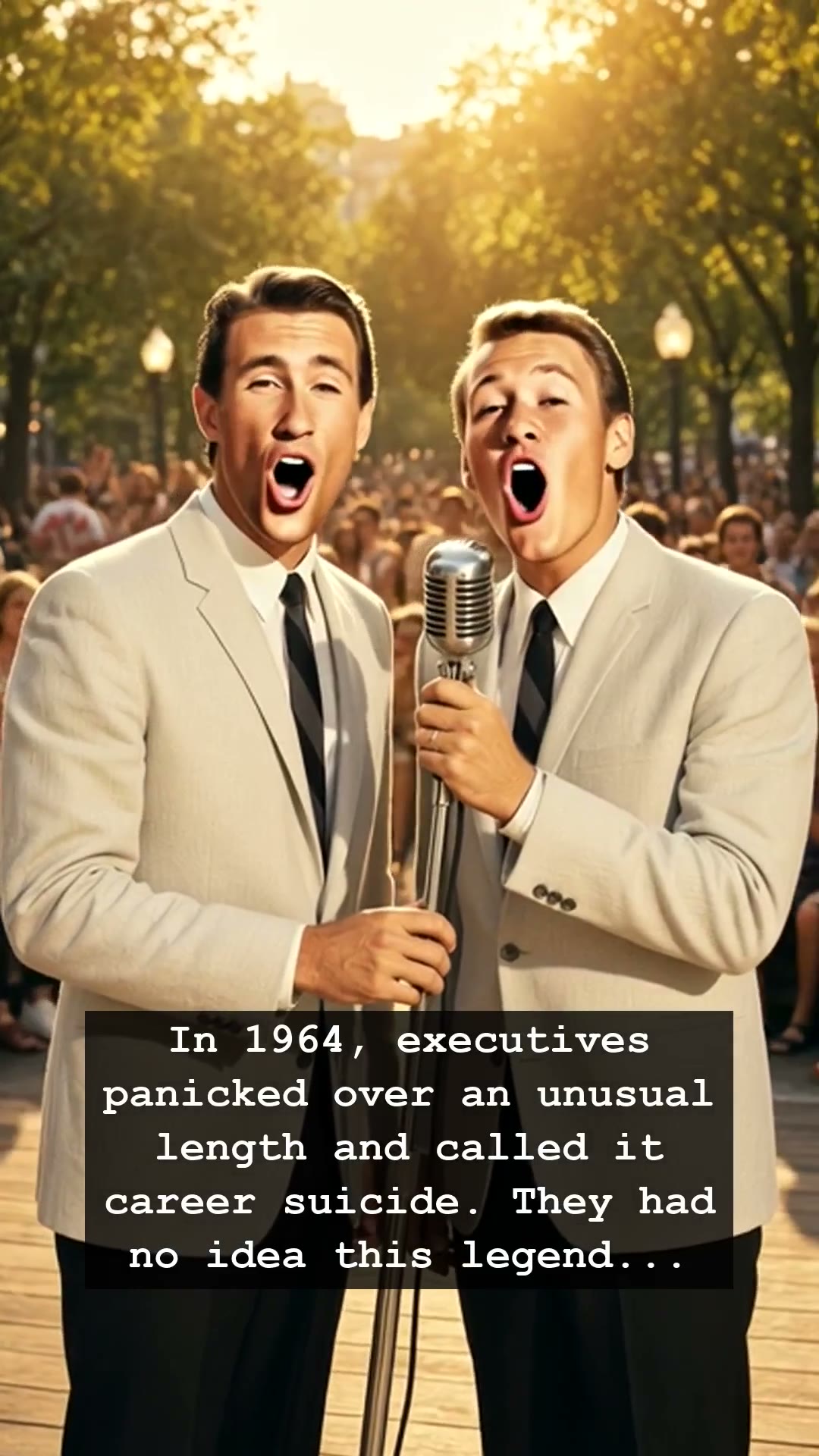
In the smoke-filled boardrooms of 1964, the atmosphere was suffocatingly tense. Executives were staring at a tape that defied every golden rule of the airwaves. It was too long, too operatic, and frankly, too daring for the era of short, punchy radio hits. They looked at the duo standing before them, The Righteous Brothers, and declared the track a potential career suicide. They were terrified that listeners would turn the dial long before the crescendo hit. But Bill Medley and Bobby Hatfield were not just singers; they were architects of a sound that refused to fit into a tidy box. They knew they had captured something visceral in that studio, a blue-eyed soul masterpiece that felt less like a song and more like a fever dream.
That song was You’ve Lost That Lovin’ Feelin’, and its ascent was nothing short of miraculous. At a time when the British Invasion was beginning to tighten its grip on American culture, this towering anthem emerged as a defiant, soulful monument. It wasn’t just the runtime that terrified the suits; it was the haunting, deep baritone of Medley paired with the soaring, desperate highs of Hatfield. It sounded unlike anything pouring out of the jukeboxes of the mid-sixties. While the world was obsessed with the upbeat pulse of the dance floor, The Righteous Brothers tapped into the dark, aching marrow of human longing, crafting a wall of sound that felt massive, cinematic, and profoundly lonely.
The recording process was a masterclass in tension. Legendary producer Phil Spector pushed the duo to their absolute limits, insisting on take after take to capture the raw, emotional exhaustion in their voices. The studio became a pressurized chamber where egos clashed and perfectionism reigned supreme. There were moments when the brothers wondered if the project would implode entirely, caught in the crossfire of Spector’s uncompromising vision and their own burning desire for authenticity. Yet, when the final mix was finished, the silence in the room was electric. They hadn’t just created a track; they had forged an eternal piece of American music history that refused to fade away.
Decades later, the song remains a cultural monolith. It found a second life on the silver screen, etched itself into the memories of a new generation, and solidified The Righteous Brothers as architects of soul. Every time that opening bass line drops, we are transported back to an era when music felt dangerous, oversized, and deeply, achingly real. It reminds us that sometimes, the greatest art is born from the chaos of breaking the rules that everyone else is too afraid to ignore. Even now, amidst the digital noise of the modern world, the power of that performance cuts through the static, reminding us why we fell in love with these voices in the first place.
As we look back at the landscape of the 1960s, it is easy to view these icons as legends frozen in time. But stories like this serve as a vital reminder that for The Righteous Brothers, the path to immortality was paved with doubt, industry gatekeepers, and the courage to trust their own instincts. Do you remember where you were the first time you heard that opening verse? Perhaps it is time to drop the needle, turn up the volume, and let that classic anthem wash over you once more.