
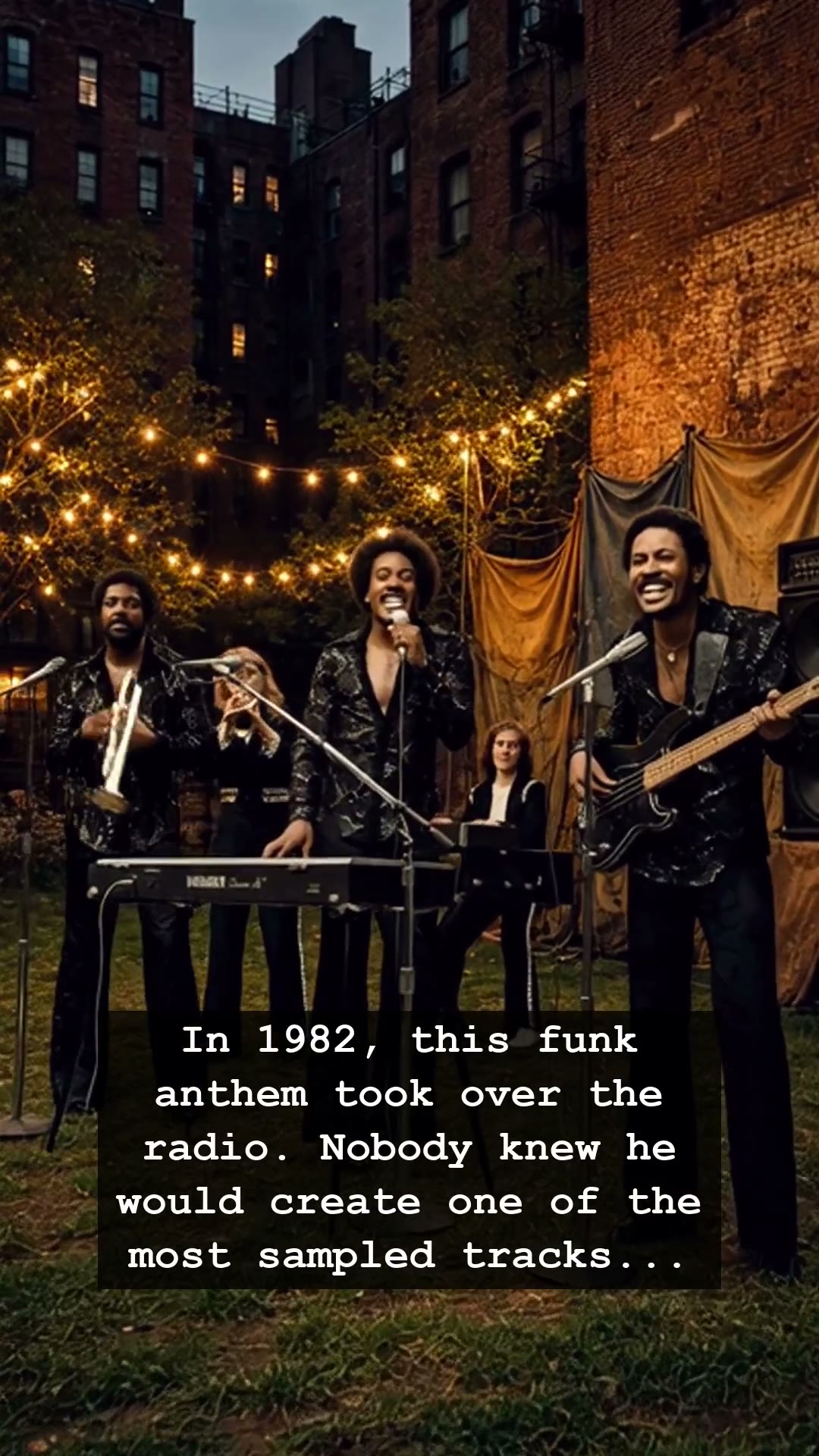
In the sweltering summer of 1982, radios across America crackled with a sound that felt like pure electricity. It was smooth, it was infectious, and it possessed a rhythmic gravity that was impossible to ignore. This was the year The Gap Band dropped their silky funk masterpiece, and while the airwaves were crowded with the shimmer of emerging synth-pop and the remnants of the disco fever at Studio 54, this track stood apart. Little did listeners know at the time that this groove would eventually become the DNA of modern hip-hop, sampled by rap legends decades after the original hit faded from the top charts.
Yet, the story of The Gap Band is not just one of effortless success. It is a tale of resilience. Before they reached R&B royalty, the trio of brothers Charlie, Robert, and Ronnie Wilson faced a grueling climb through the industry. The funk scene in the late seventies and early eighties was a cutthroat landscape defined by intense studio pressure and the constant threat of being overshadowed by newer, faster trends. There was a moment where the man behind that iconic, soulful microphone almost walked away from the industry entirely, exhausted by the relentless demands of label executives and the crushing weight of artistic compromise.
The Gap Band managed to survive the transition from the golden era of funk to the high-tech production values of the early MTV generation. Their music acted as a bridge, grounding the experimental sounds of the era in the raw, authentic pulse of Tulsa, Oklahoma. When you listen to the track today, you can almost feel the texture of the analog tape and the warmth of the vintage tube amplifiers. It is a sonic snapshot of a time when music was played by human hands, capturing the sweat, the struggle, and the sheer joy of creating a sound that could ignite a dance floor from a local juke joint to the grandest stages of the world.
The real secret to their longevity lies in their undeniable groove. Decades later, producers of hip-hop and electronic music would peel back the layers of these records, finding diamonds in the drum breaks and gold in the basslines. The Gap Band didn’t just write songs; they constructed sonic cathedrals that invited future generations to build upon their foundation. This is why their influence remains visceral; it is the ghost in the machine of modern pop, a reminder of when funk reigned supreme and a song could change the trajectory of an entire musical movement.
As we look back on that pivotal year of 1982, it becomes clear that their contribution was more than just a fleeting radio hit. It was a cultural artifact that defined a transition in American music. Every time that bassline hits, we are transported back to a time of Walkmans and neon lights, a golden age of soul that refused to be forgotten. The Gap Band proved that if you pour your heart into the groove, the music never truly dies. Do you remember where you were when you first heard it?