
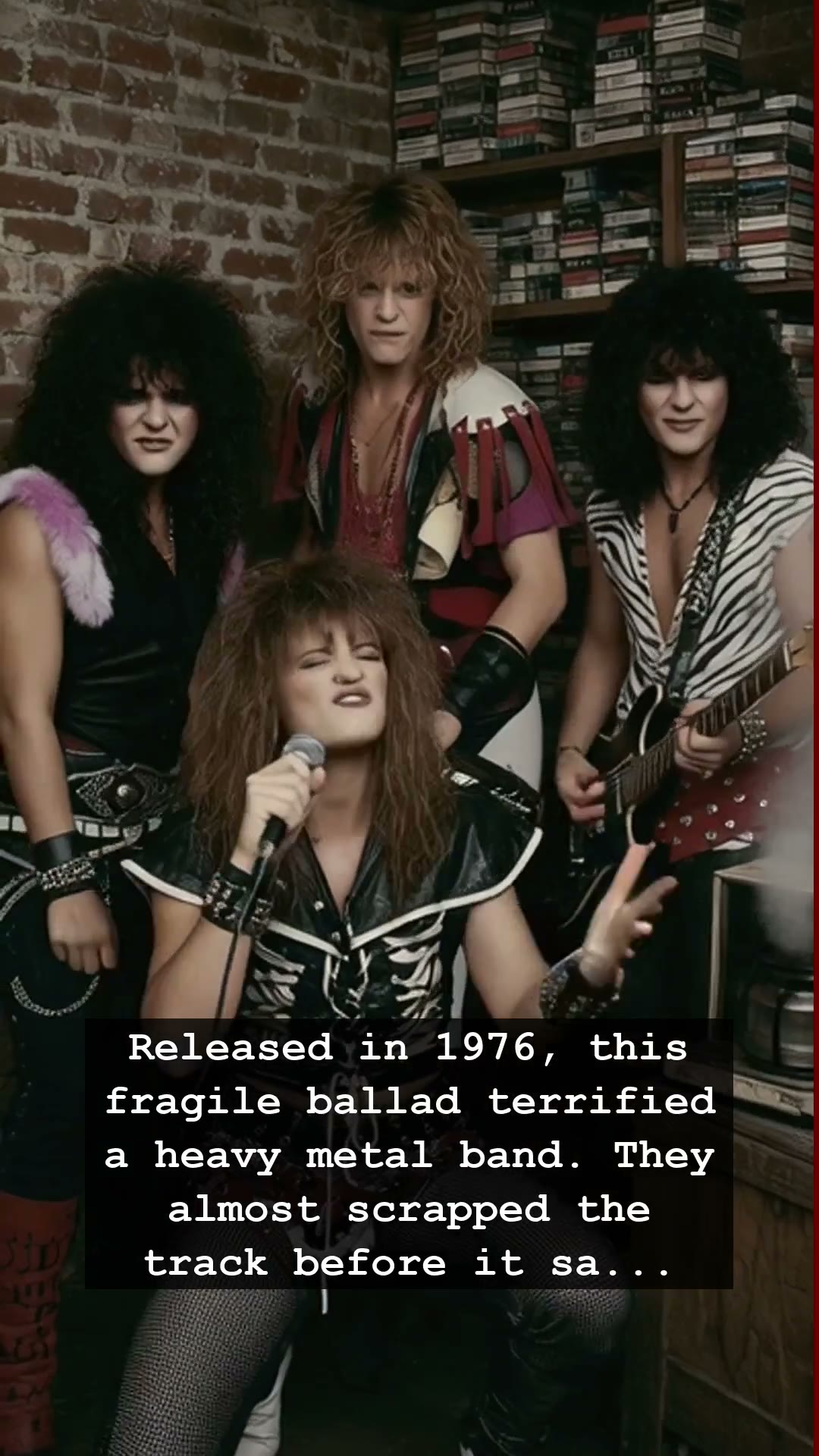
In 1976, the world of rock and roll was dominated by the loud, leather-clad, face-painted gods known as KISS. They were the masters of pyrotechnics and chaos, built on an image of invincibility and hard-hitting heavy metal bravado. But behind the scenes, the band was on the brink of collapse. Their tours were bleeding money, and the group was desperately searching for a breakthrough that could translate their wild stage energy into radio-friendly gold. Amidst this high-stakes pressure, the band stumbled upon a fragile, piano-driven melody that stood in stark contrast to their usual aggressive sound. It was the ballad Beth, and it terrified the members of KISS to their core.
To the members of the band, particularly the harder-edged contingent, the song felt like a betrayal of their heavy metal identity. It was too soft, too vulnerable, and far too pop-oriented for a group that had made their reputation with songs about fire and late-night debauchery. Paul Stanley and Gene Simmons were initially skeptical, fearing that releasing a ballad would alienate their hardcore fan base and destroy the carefully curated persona they had spent years perfecting. They nearly scrapped the track entirely, viewing it as a weak link that didn’t belong in the KISS repertoire. The song sat in the vault, an unwanted artifact of an experiment that felt like a mistake.
However, fate had other plans. When the track was finally included on the Destroyer album, it began to gain traction on the radio waves, resonating with listeners who were tired of the usual arena-rock bombast. The song told a relatable story of a musician caught between the road and his partner, a sentiment that tugged at the heartstrings of fans who had spent their nights listening to jukeboxes in smoky bars. Suddenly, the song that the band was afraid to embrace became their highest-charting single, climbing the Billboard charts and saving their label from financial disaster. Beth transformed the band from mere stage performers into mainstream legends.
This pivotal moment in 1976 serves as a haunting reminder of how fragile success truly is within the music industry. It highlights the eternal conflict between artistic integrity and the commercial demands of the era. For the members of KISS, this ballad was a gamble that forced them to drop their masks—at least figuratively—and show a human side that their audience hadn’t seen before. It proved that even the most bombastic acts could be redeemed by a simple, honest melody.
Today, when we look back at the era of vinyl records and the rise of MTV, Beth remains a standout track that defines a specific turning point in rock history. It is a testament to the fact that sometimes, the greatest career-saving moves are the ones that take us furthest outside our comfort zones. As the final notes of the piano fade out, we are reminded that even the loudest rockers are occasionally silenced by the beauty of a quiet, broken heart.