
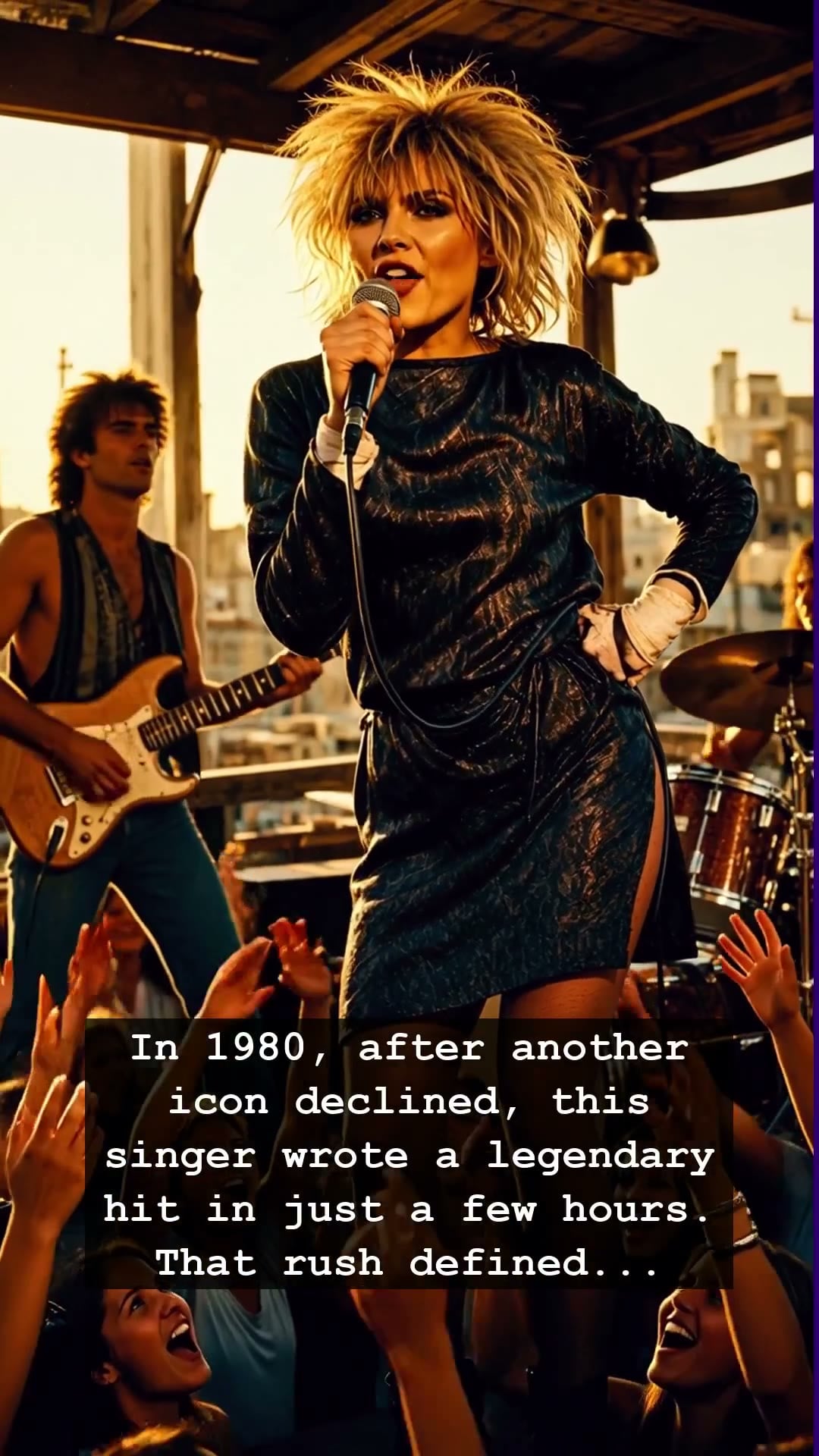
It was 1980, and the air in New York City was thick with the scent of cheap perfume, gasoline, and the undeniable pulse of a changing musical landscape. Giorgio Moroder, the legendary producer who had turned Donna Summer into a disco goddess, found himself in a precarious position. He had been commissioned to create the soundtrack for the film American Gigolo, but he had lost his initial star for a key track. The instrumental was ready, a driving, pulsating rhythm that echoed the neon-lit desperation of the era. He needed lyrics, and he needed them yesterday. He turned to a woman who had already conquered the gritty stage of CBGB and was poised to become the ultimate face of the New Wave revolution: Debbie Harry.
Debbie Harry did not just walk into the studio; she stormed into it with a cool, detached confidence that was signature to her persona. Moroder played the track, expecting a grueling process of refinement. Instead, he watched as she sat down and simply listened. In a frantic, creative rush that spanned only a few hours, she penned the lyrics that would define a generation. She channeled the lonely longing of the film’s protagonist, crafting a bridge between the dark, underground punk scene and the polished, synthesizer-drenched sound that was about to conquer the world. When she finally opened her mouth to record, the result was nothing short of magic.
Call Me did not just climb the charts; it dominated them. It became the biggest selling single of 1980, a testament to the fact that sometimes, the best art is born from the pressure of the clock. For Debbie Harry, this was more than just another radio hit. It was a cultural pivot point. It proved that the rebellious spirit of the downtown scene could play well with the sophisticated, electronic textures emerging from the European dance floors. As the decade shifted, the song remained a staple on every Walkman and a permanent fixture in the rotation at Studio 54, capturing the icy, detached glamour that defined the early eighties.
Yet, beneath the glossy sheen of the song’s success lay the raw, often harrowing reality of life at the center of the spotlight. Debbie Harry had fought her way up from the gutter, navigating a music industry that was rarely kind to women who demanded total creative autonomy. The success of this track provided her with a level of stardom that brought its own unique set of burdens, from the encroaching paparazzi to the exhausting demands of being an international icon. She became a poster child for the transition from the grit of the seventies to the digital sheen of the eighties.
Looking back, the track remains a masterclass in tension and release. It is a sonic photograph of a city in transition, caught between the analog past and a neon future. Every time we hear those opening synth stabs, we are transported back to a time when music felt dangerous, urgent, and undeniably cool. Debbie Harry didn’t just sing a hit that year; she captured a fragment of our collective soul, cementing her place in history as the queen of the New Wave. It is a reminder that even when the chips are down, legends like her find a way to make us dance.