
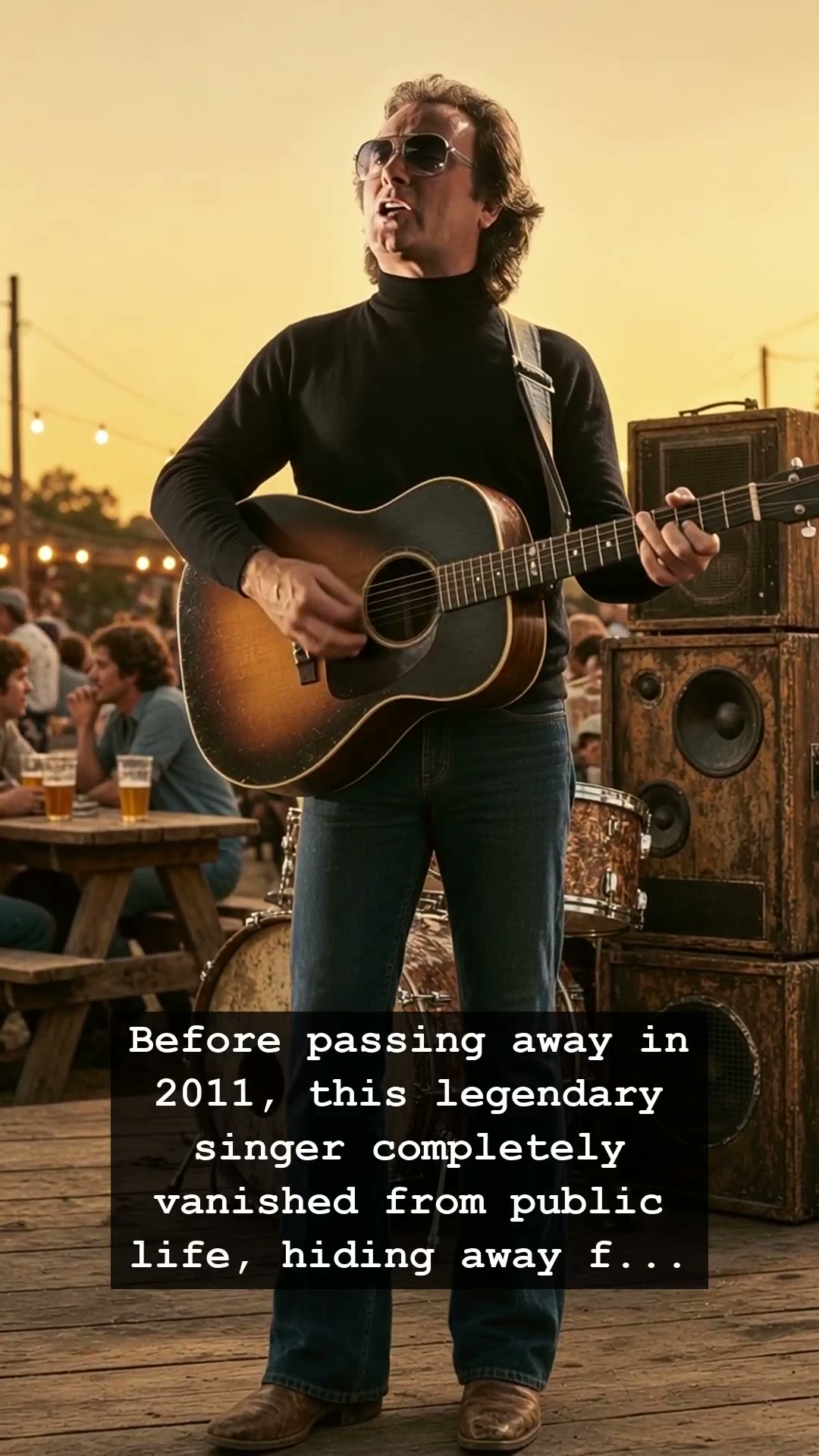
It was the distinct, haunting wail of a saxophone that etched Gerry Rafferty into the permanent soundtrack of the late seventies. For millions of people, his 1978 masterpiece Baker Street was the ultimate anthem of urban alienation, a song that filled the airwaves of the FM radio era and defined a generation of wanderers. Yet, beneath the polished production and the radio-friendly hooks, the man behind the music was already fighting a losing battle against the very machinery that propelled him to superstardom. While the world danced in the shimmering disco lights of Studio 54, Gerry Rafferty was slowly retreating into a private shadow world of his own design.
The irony of his career remains deeply unsettling. Gerry Rafferty wrote one of the most recognizable songs in music history, yet he grew to loathe the crushing weight of the fame that followed. As the eighties arrived and the Walkman turned music into a solitary, personal experience, the singer became increasingly impossible to find. He viewed the music industry as a predatory circus, a sentiment that led him to sever ties with the press and the public eye. His voice, once a staple of every jukebox across the globe, became a ghost haunting the corridors of the music business, eventually fading into an eerie, total silence that lasted for decades.
His struggle was not merely artistic; it was a profound, deeply personal breakdown under the pressures of a world that demanded he be a celebrity rather than a songwriter. Friends and industry insiders tell stories of a brilliant, sensitive man who sought comfort in bottles rather than red carpets. By the time he passed away in 2011, Gerry Rafferty had become a recluse, living in extreme seclusion far from the roaring arenas where his songs were once played to packed crowds. The tragedy is that he was a man who craved authenticity in an industry built on manufactured personas, and he paid the highest price to maintain his own integrity.
Looking back, the narrative of Gerry Rafferty serves as a sobering reminder of the darker side of the classic rock era. The grit of his early work with Stealers Wheel and his later solo success masked a soul that was never quite at peace with the limelight. While we look back at the era with a sense of nostalgic longing, it is vital to remember that for icons like him, the era was a pressure cooker of expectation and excess. The mystery of his later years continues to captivate those of us who grew up with his music, turning his story into a haunting legend.
Today, when you hear those first few notes of his saxophone riff, it serves as more than just a trip down memory lane. It is a moment to acknowledge the man who chose to disappear rather than sell his soul to the fame machine. Gerry Rafferty left us with a legacy of brilliant songwriting, but his final act—his quiet, defiant exit from the stage of life—remains his most poignant statement. Take a moment to listen closely today; you might hear the echoes of a man who finally found the peace he had been running from all along.