
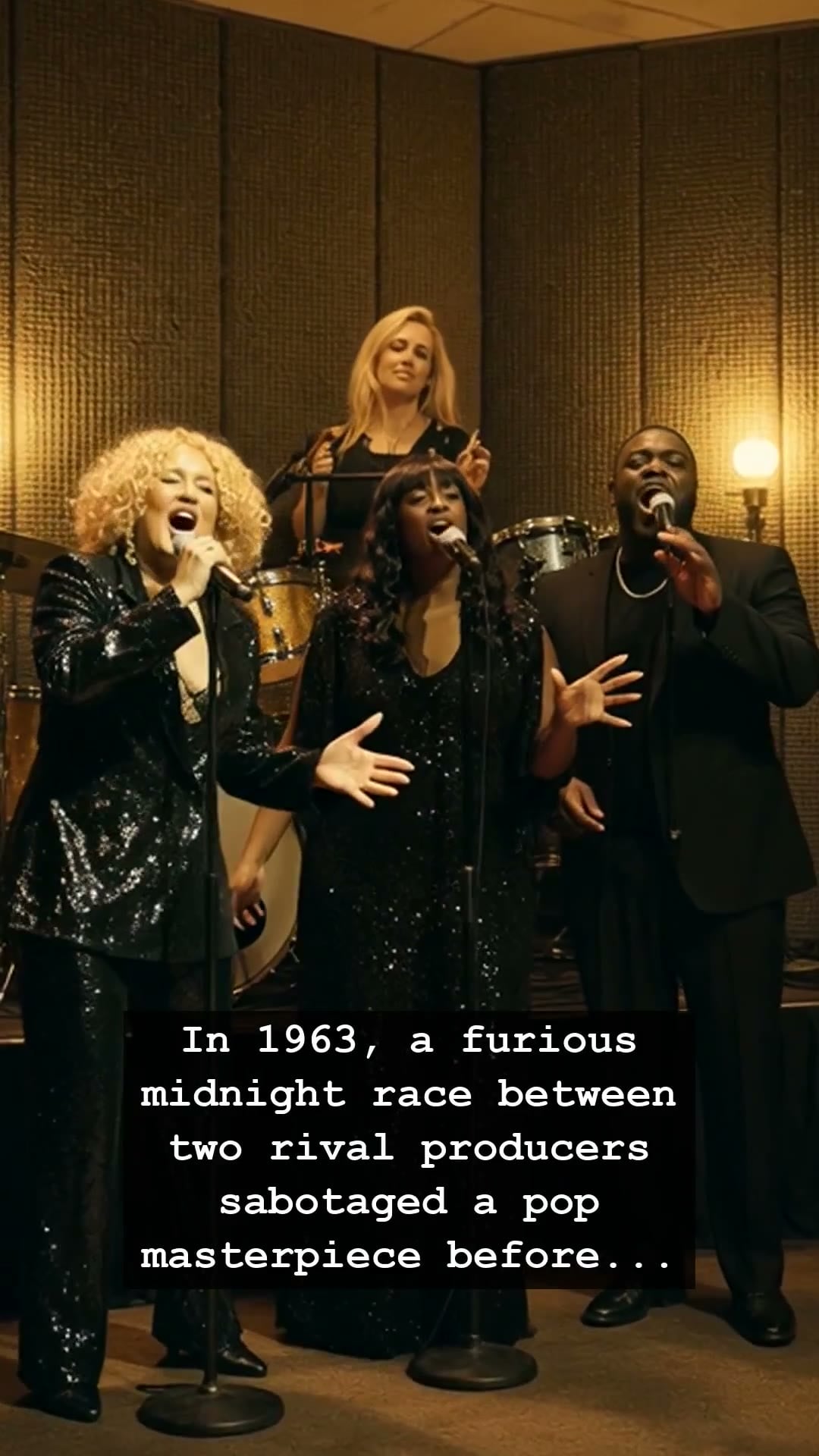
The golden age of the jukebox wasn’t just about melody and harmony; it was a battlefield paved with ego, ambition, and the relentless quest for the charts. By 1963, the music industry in America was shifting under the weight of visionary producers who acted more like dictators of sound. Among them, the infamous Phil Spector reigned supreme, his ‘Wall of Sound’ echoing through the corridors of every major radio station. But the air was thin at the top, and rivalry in the early sixties was often personal, venomous, and occasionally destructive. This was an era where a single spin on the radio could turn a struggling artist into a legend overnight, a power dynamic that led to one of the most forgotten sabotages in pop history.
Deep in the heart of Los Angeles, the tension between Phil Spector and his rivals was reaching a boiling point. The industry rumor mill was constantly buzzing, and when word reached Spector that a competing producer was about to drop a track that could rival his own Wall of Sound brilliance, he didn’t just stand by. He took to the streets in a midnight race that felt like something out of a noir film. With the neon lights of LA blurring past his windshield, Phil Spector engaged in a desperate sprint to deliver his own record to radio stations across the city, aiming to ensure his masterpiece hit the airwaves first, effectively burying the competition in the process.
This wasn’t just about business; it was a psychological power play. The sheer audacity of Phil Spector to actively sabotage a peer’s hard work speaks to the darker side of the fame machine. While the public sat in their living rooms listening to their transistors, unaware of the cutthroat tactics happening behind the scenes, these producers were locked in a cold war. The music that came out of this tension, specifically from the early 60s, carries a weight that feels heavy with the drama of its creators. It is the sound of genius colliding with insecurity, a trait that defined much of Phil Spector’s tumultuous career and his eventual tragic downfall.
Even Quincy Jones, who would later become a titan of production, famously observed the high-pressure environment of these studios, where egos were as loud as the music itself. While Quincy Jones operated with a different, more collaborative genius, he understood the cutthroat landscape Phil Spector occupied. It was a time when the stakes were astronomical and the lines between art and rivalry were permanently blurred. To look back at these records now is to listen to the sound of men who believed they were gods, forever etching their names into the cultural bedrock of the American songbook.
Decades later, the echoes of that midnight drive remain a testament to a wilder, more volatile time in the recording industry. Though the names on the credits might fade, the drama that birthed the hits of the 1960s continues to captivate those of us who still feel the pull of the vinyl era. When you drop the needle on these old records, try to hear the desperation and the ambition hidden beneath the reverb. Do you still feel the magic of those days?