
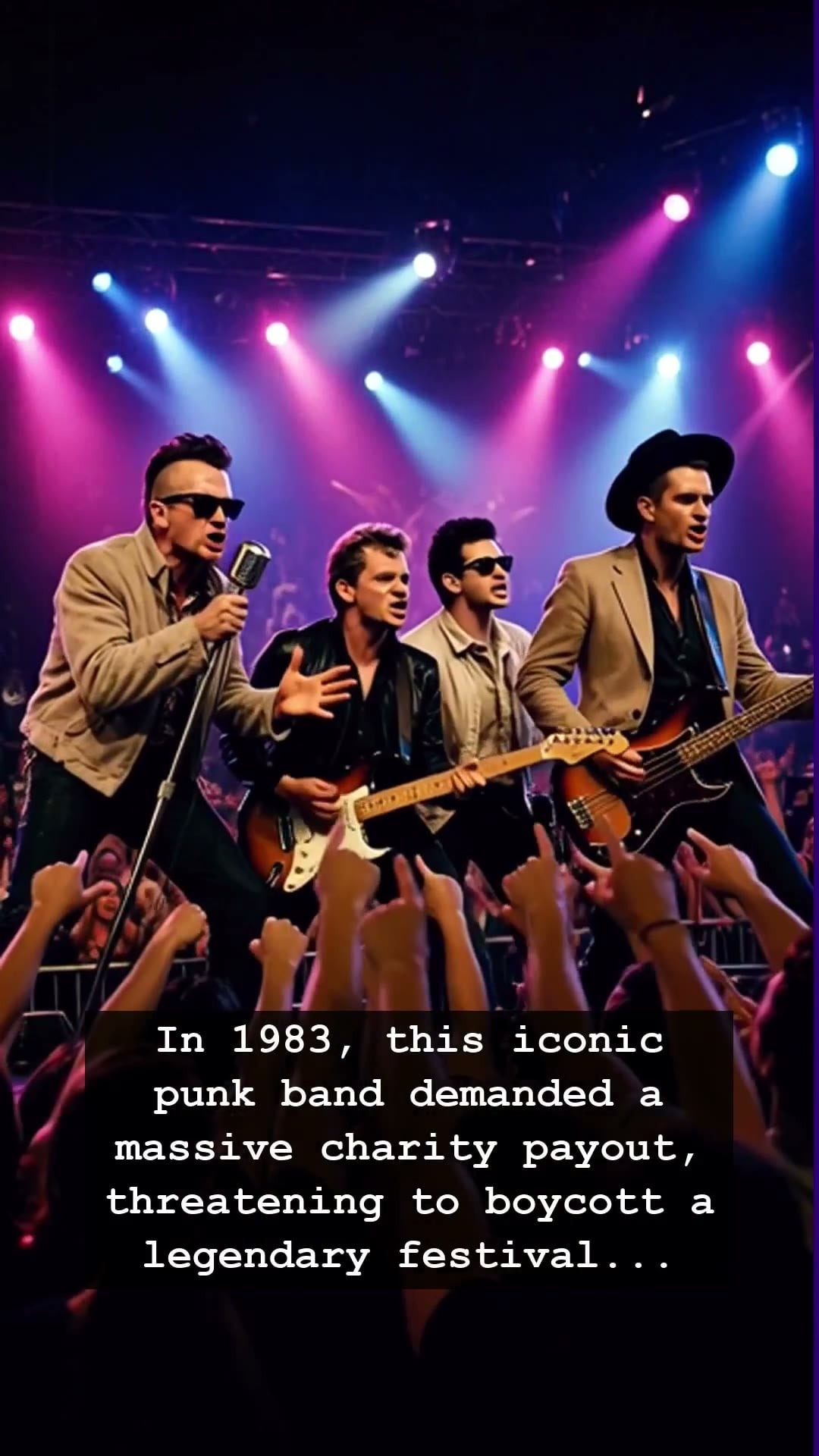
In the sweltering heat of the 1983 US Festival, the air was thick with the scent of high-octane commercialism and the sweat of hundreds of thousands of fans. It was a time when the nascent power of MTV began to dictate the rhythm of the music industry, and massive arena rock spectacles were becoming the new gold standard. Amidst this backdrop of corporate sponsorships and excess, one band stood as a defiant, snarling testament to the fading spirit of punk rock: The Clash. Joe Strummer, Mick Jones, and the rest of the crew were not interested in playing the role of polished icons for a televised broadcast. They were there to make a point, and they were willing to tear the whole production down to do it.
The tension began behind the curtain, away from the roaring crowds and the glare of the spotlight. The US Festival was the brainchild of Apple co-founder Steve Wozniak, a massive experiment in combining high-tech ambition with legendary music acts. But as the event ballooned into a multi-day behemoth, The Clash sensed a betrayal of the very ethos that fueled their music. Refusing to let their presence be bought solely for corporate profit, the band issued a ultimatum that sent shockwaves through the production team: they demanded a massive portion of their performance fee be donated to charity. It was a tense, claustrophobic standoff, a silent war of wills held in the cramped backstage corridors while the world waited for their set to begin.
This incident wasn’t just a temper tantrum; it was the ultimate clash of ideologies. For a band that had been shaped by the grit of London streets and the political urgency of the late seventies, witnessing the transformation of their medium into a commercial product was personal. While other bands of the era were busy courting the luxury of MTV rotation and the comforts of superstardom, The Clash were obsessed with authenticity. They treated their performance like a battleground, using the leverage of their status to force a massive payout to causes they believed in, effectively holding the festival organizers hostage to ensure their own moral code remained intact.
Looking back at that moment, it serves as a jagged, beautiful reminder of an era when rock music still carried the weight of rebellion. The Clash represented the last stand of a movement that refused to be domesticated by the suits of the music business. Even today, the story of that 1983 standoff resonates with anyone who remembers the era of the Walkman and the raw, untamed energy of live radio. It was a moment of uncompromising conviction that proved that for some, the music was never about the bottom line, but about the message.
The legacy of that day remains etched in the history of rock, serving as a masterclass in artistic integrity. As we look back on the transition from the vinyl-heavy days to the digital age, the courage displayed by The Clash reminds us of the power of the artist’s voice. Whether you were there under the sun in California or you have spent years spinning their records in the quiet of your home, the spirit of that confrontation still echoes. It is a timeless lesson that no matter how loud the industry becomes, true legends will always find a way to make their own rules.