
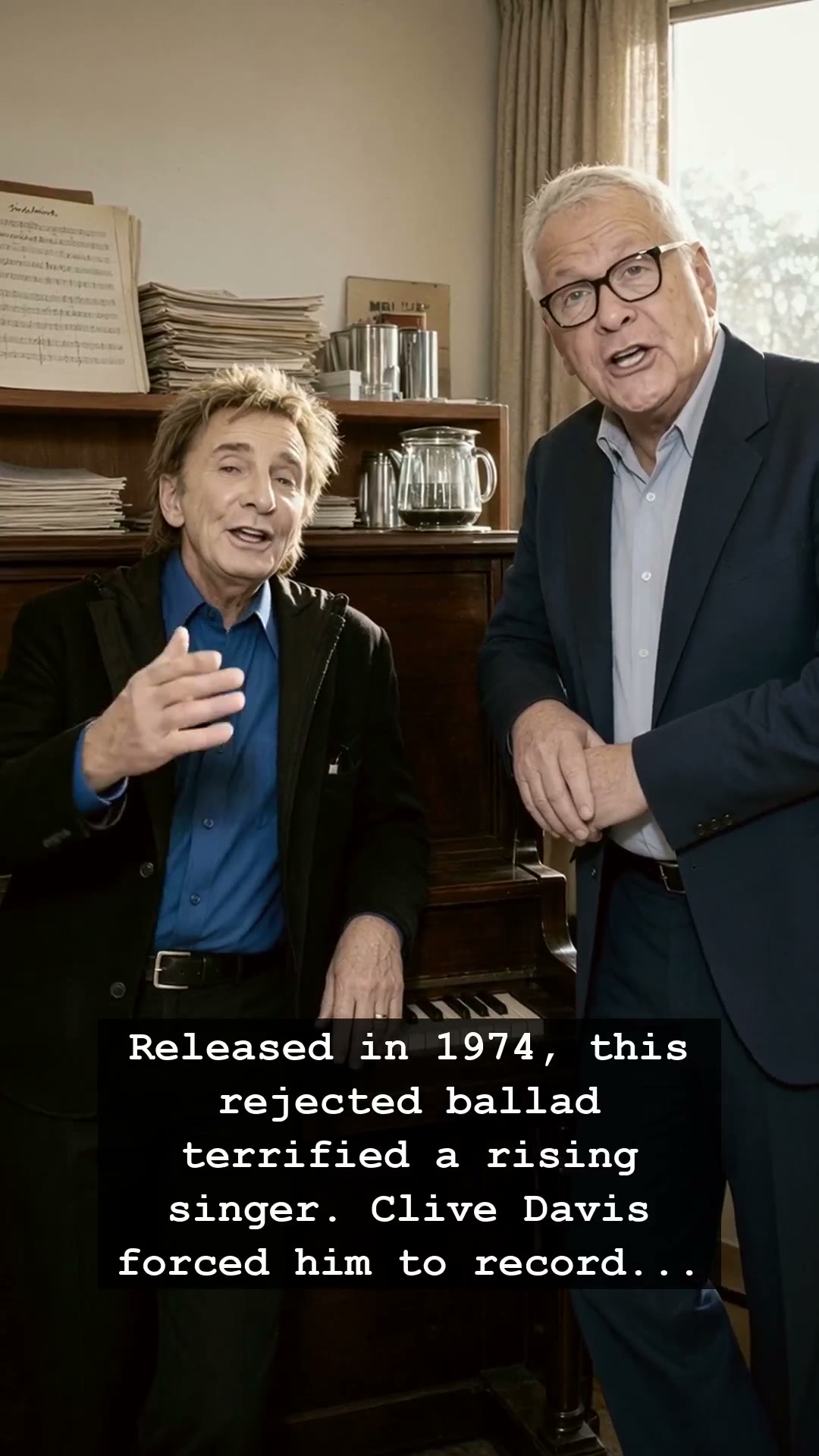
The year was 1974, a time when the AM radio waves were saturated with the slick, high-gloss sounds of a burgeoning pop industry. In the plush offices of Arista Records, a young and anxious Barry Manilow sat across from the legendary Clive Davis. Davis, a man with a golden ear for hits, held a demo of a melancholic ballad that felt entirely out of step with the upbeat, swinging rhythms Manilow was trying to establish for his career. When Davis insisted that the young artist record the track, Barry Manilow balked. He hated the song. He thought it was too slow, too dramatic, and fundamentally wrong for a man who envisioned himself as a piano-thumping showman. He wanted nothing to do with this weeping melody, yet he found himself trapped by the sheer conviction of his producer.
That song was Mandy. It is hard to imagine a world where this track does not exist, yet it serves as a fascinating relic of how destiny is often forced upon us. Barry Manilow initially saw the song as a creative dead end, a sentimental mistake that would dampen his rising momentum. The studio tension was palpable; Manilow felt the weight of his artistic identity being steered toward something he viewed as a vulnerability. Yet, as the recording process unfolded under the watchful eye of Clive Davis, a transformation occurred. The raw, desperate emotional core of the song began to mirror the very real exhaustion and loneliness that often hides behind the curtain of mid-seventies superstardom.
When Mandy finally hit the airwaves, it shattered the skepticism that had haunted Barry Manilow during those grueling studio sessions. It climbed the charts with a ferocity that few industry insiders expected, turning an accidental recording into a generation-defining anthem. It resonated because it tapped into the collective psyche of listeners who were tired of the gritty, complex psychedelia of the previous decade and were longing for simple, unfiltered heartbreak. Suddenly, the man who wanted to hide from the ballad became the face of the ultimate romantic pop idol, a title that would follow him from sold-out arena tours to the smoky, neon-lit piano bars of the era.
Looking back, the story of Mandy is a perfect microcosm of the music industry during that golden age. It highlights the eternal tug-of-war between the artist’s vision and the executive’s instinct. For Barry Manilow, the success of the song was a double-edged sword; it catapulted him to superstardom overnight, yet it forced him to embrace a persona that would define his legacy for the next fifty years. It was a moment of vulnerability captured on wax, a sonic bookmark for anyone who has ever owned a Walkman and spent a rainy night staring out a window, lost in the swell of the strings.
Today, the legacy of Barry Manilow remains intertwined with that cold, reluctant day in the studio. It reminds us that our greatest hits often come from the places we least want to look. Whether you heard it spinning on a jukebox in a forgotten diner or humming from the speakers of a classic sedan, Mandy remains a testament to the power of a single, well-timed melody. It is a story of conflict, persuasion, and the thin line between a career-ending disaster and an eternal piece of music history. As the final piano chords of his classic era continue to echo through time, we are reminded that sometimes, the songs we reject are exactly the ones we were meant to sing.