
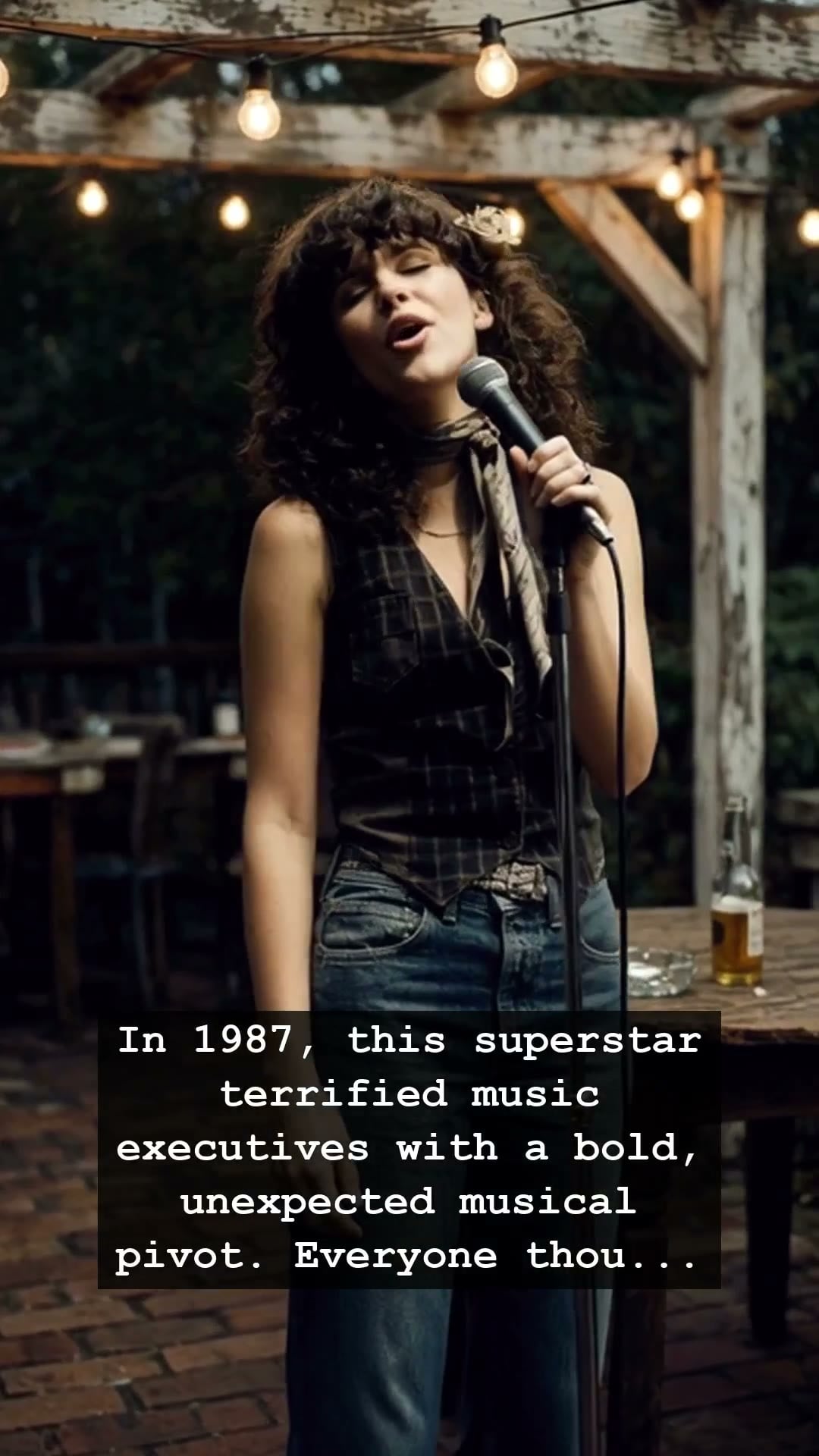
In the gleaming, high-gloss era of 1987, where the airwaves were saturated with neon-soaked synth-pop and the aggressive stadium anthems of hair metal, one superstar dared to commit what industry executives called commercial heresy. Linda Ronstadt, the undisputed queen of the arena rock sound that dominated the seventies, stood in the boardrooms of power and proposed an album that defied the MTV generation. They warned her that recording a collection of traditional Mexican folk songs—the music of her childhood—would be professional suicide. They told her that her American audience, accustomed to the polished hooks of her chart-topping pop hits, would simply tune out. But Linda Ronstadt knew something the suits did not: the soul of a musician is not something you negotiate for sales.
To understand the magnitude of this pivot, one must look at the cultural landscape of the eighties. The Walkman had transformed how we consumed music, and the industry was obsessed with the next high-energy anthem. Linda Ronstadt had spent over a decade perfecting the art of the sophisticated pop cover, turning hits like You’re No Good and Blue Bayou into the soundtrack of a generation. She was the ultimate jukebox icon, a woman who had navigated the complex egos of the Southern California rock scene with grace. Yet, beneath the layers of fame and the grueling schedules of international tours, there was a quiet, insistent pull toward the music that defined her roots in Tucson, Arizona.
When she walked into the studio to record Canciones de Mi Padre, she wasn’t just singing songs; she was reclaiming a lineage. The industry was terrified. These were tracks that didn’t fit into a radio-friendly format, sung in a language that didn’t align with the English-dominant Billboard charts of the era. Many executives whispered that this was a vanity project that would effectively kill her chart relevance. They expected a swift downfall, imagining that their golden girl would fade into obscurity, cast aside by a public that demanded constant reinvention and shallow, upbeat thrills.
What happened instead was a masterclass in artistic defiance. The album didn’t just succeed; it became the best-selling non-English language album in American history. It proved that the American listener was far more receptive and culturally hungry than the cynical music executives ever dared to imagine. By stepping away from the pressure of the arena rock circuit, Linda Ronstadt reminded the world that authentic emotion is the most powerful currency in music. She chose vulnerability over the synthetic safety of the decade’s most popular sounds, turning a perceived disaster into a timeless legacy.
Today, looking back at the era of excess, that bold 1987 pivot stands as a testament to the integrity of a true artist. Linda Ronstadt didn’t need the validation of a boardroom to know what moved her soul. In an age where art is often manufactured, her journey serves as a nostalgic reminder that sometimes the biggest risks lead to our most meaningful contributions. Do you remember the first time you heard the haunting, beautiful melodies that redefined a superstar’s career?