
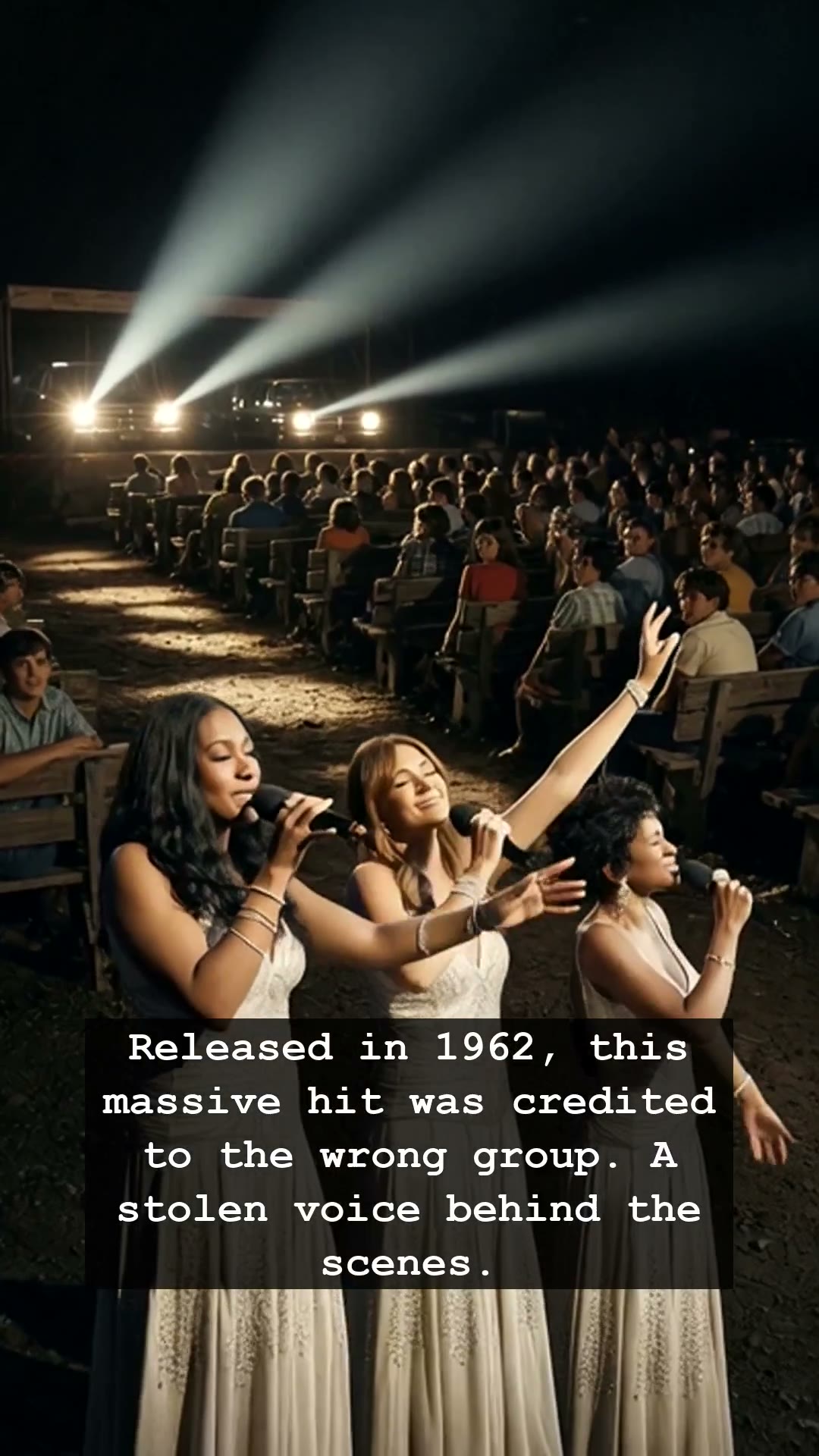
It was 1962, a time when the jukebox was the heartbeat of every American diner, and the airwaves were dominated by the polished, wall-of-sound production style of Phil Spector. You have surely tapped your feet to the soaring, soulful notes of He’s a Rebel, the massive anthem credited to the girl group The Crystals. Yet, for decades, a chilling truth remained buried beneath the vinyl grooves: the voice that commanded the radio wasn’t a Crystal at all. It was the voice of Darlene Love, a talented session singer whose identity was systematically erased by a mastermind who valued his commercial control over an artist’s rightful legacy.
At the height of the early sixties, the music industry operated like a closed, shadowy studio circuit. Darlene Love was already a powerhouse of vocal talent, yet she found herself trapped in a world of ghost singing. When she stepped into the booth to record He’s a Rebel, she was told it was just another session, unaware that her soul-stirring performance would be slapped with a different group’s name to capitalize on their existing fame. While the world danced to the track, Darlene Love sat in silence, hearing her own unmistakable voice emanating from speakers nationwide, knowing the royalties and the accolades belonged to faces she didn’t even recognize.
This wasn’t just a simple mistake; it was a calculated industry betrayal. Phil Spector treated his artists like cogs in a machine, prioritizing the branding of a group over the actual human being pouring her heart into the microphone. For Darlene Love, this meant years of being relegated to the background, a secret weapon for the hits of others while her own career remained stagnant. The injustice of 1962 is a haunting reminder of the era’s ruthless dynamics, where the barrier between creative genius and exploitative management was dangerously thin.
What makes the story of Darlene Love so resonant today is her incredible resilience. She didn’t just fade into the history of forgotten backup singers. She fought her way out of the shadows, eventually claiming the recognition she deserved after years of fighting against the system that tried to render her voiceless. Her journey is a testament to the fact that while corporate machines can steal a credit line, they cannot steal the authenticity of true talent. Her voice eventually triumphed over the industry drama, proving that real art has a way of finding its way home.
Looking back at that golden age of rock and roll, we must look past the pristine surface of the charts to acknowledge the true stories behind the noise. Darlene Love remains a symbol of the unsung heroes of music history, a powerhouse who transcended the drama of the studio system to find her own light. As you listen to those classic tracks today, remember that behind every iconic melody, there is a human story—and sometimes, a voice that had to fight a lifetime just to be heard.