
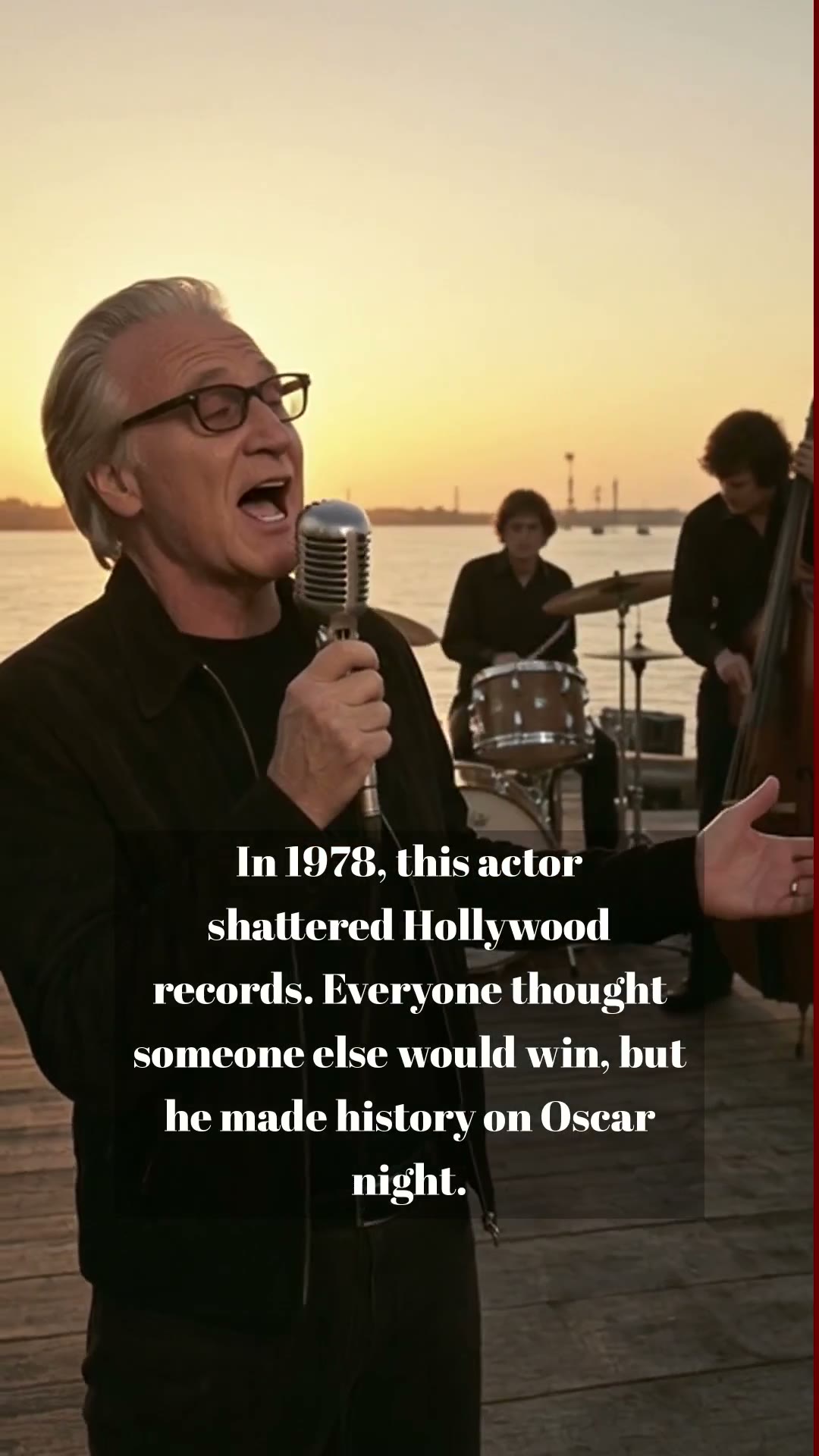
There is a specific, golden-hued quality to the memories of 1970s cinema that remains unmatched today. It was an era when the landscape of Hollywood was shifting, moving away from the polished studio system of the Golden Age into the raw, character-driven grit of New Hollywood. Amidst this transition, few moments captured the spirit of that transformative decade quite like the 50th Academy Awards in 1978. As the lights dimmed in the Dorothy Chandler Pavilion, the audience watched in anticipation, unaware that a young, spirited performer named Richard Dreyfuss was about to redefine what it meant to reach the pinnacle of the acting profession.
At the time, Richard Dreyfuss was only 30 years old, a relative newcomer compared to the veteran icons who typically dominated the Best Actor category. His performance in The Goodbye Girl was a masterclass in charm, nervous energy, and grounded humanity. When his name was called, the room erupted. By securing that golden statuette, Richard Dreyfuss shattered records, becoming the youngest man to ever win the Best Actor Oscar—a feat that stood as a monumental milestone for many years. It was more than just an award; it was the coronation of a talent that had already begun to leave an indelible mark on the silver screen through iconic works like Jaws and Close Encounters of the Third Kind.
The magic of Richard Dreyfuss during that era was his uncanny ability to embody the everyman. In an industry that often prioritized larger-than-life archetypes, he brought a palpable, frantic intelligence to his roles. Whether he was battling a mechanical shark in the summer blockbuster that changed cinema forever or navigating the complexities of romance in a cramped New York apartment, he made us believe in the reality of the moment. His approach, deeply rooted in the sincerity of character work, resonated with a generation that craved authenticity over artifice. It was the era of the VHS tape, where we would watch his performances on loop in our living rooms, rewinding our cassettes to catch the subtle nuances in his dialogue delivery.
Reflecting on that night in 1978, one cannot help but feel a wave of nostalgia for a time when movie stars felt like people we actually knew. Richard Dreyfuss represented the transition of the leading man—less about the untouchable glamour of the old guard and more about the vulnerable, flawed, and brilliant characters that defined the New Hollywood narrative. His victory was a celebration of the craft, proving that depth and personality could hold as much weight as any big-budget spectacle.
Even today, the legacy of Richard Dreyfuss continues to inspire those who cherish the history of film. His career serves as a reminder of the power of storytelling and the dedication required to perfect one’s craft. As we look back at the photos of that golden night, we are reminded that true art never fades; it simply grows more precious with time. Perhaps tonight is the perfect evening to pull an old film from the shelf, dust off the player, and watch once again as a legend makes history.