
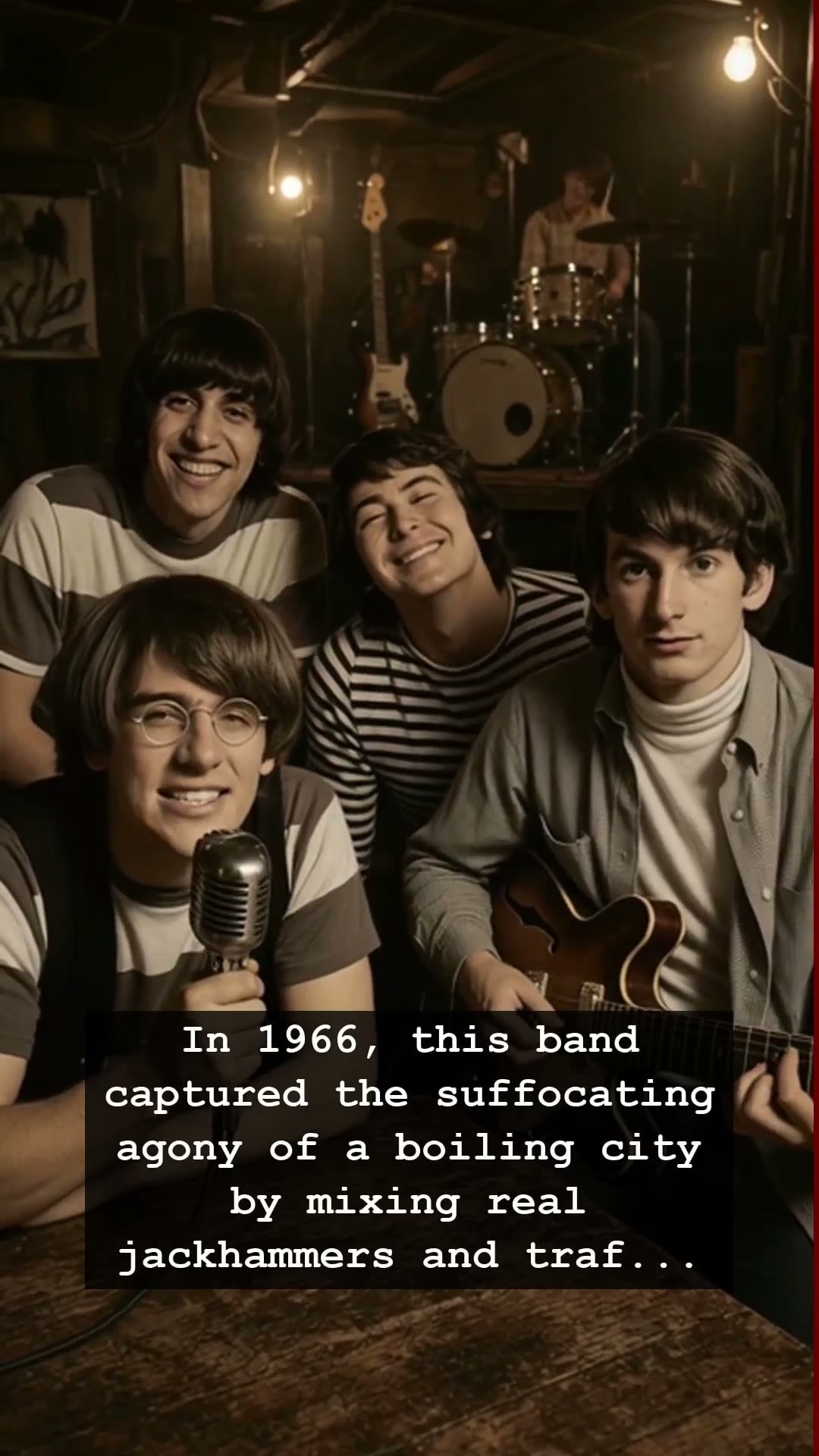
It was the summer of 1966, a season where the asphalt in New York City seemed to bubble under the relentless gaze of a merciless sun. While the radio waves were crowded with the polished pop sensibilities of the day, a group of young men known as The Lovin Spoonful decided to do something radically different. They didn’t just want to write a song about the city; they wanted to capture the very atmosphere of its suffocating, grit-filled agony. The result was the timeless number one smash hit Summer in the City, a track that remains the definitive anthem of urban heat.
To understand the genius of The Lovin Spoonful, one must look at the unconventional recording methods they employed in the studio. Frontman John Sebastian and his bandmates were not content with mere melodies. They captured the raw essence of Manhattan by recording actual jackhammers, the screeching of tires, and the frantic blare of traffic horns, layering them into the song’s bridge. When you listen to the record, you aren’t just hearing a band play; you are hearing the heartbeat of a city on the edge of a nervous breakdown. It was an audacious move for a pop group that had built its reputation on good-time folk-rock vibes.
This era was defined by the sensory overload of the late sixties. While the counterculture was beginning to blossom in the parks and basements, The Lovin Spoonful stood as a bridge between the innocent jingle-jangle of early sixties pop and the heavier, psychedelic textures that would define the end of the decade. The Lovin Spoonful were masters of the good-time sound, yet their contribution to the American songbook was grounded in a surprisingly sophisticated understanding of mood and texture. The song effectively turned the mundane sounds of the urban jungle into a visceral experience that listeners could feel in their bones.
Behind the success of The Lovin Spoonful lay the usual pressures of the music industry. The band members were navigating the fine line between commercial success and artistic integrity. The heat of 1966 wasn’t just physical; it was the pressure of the charts, the relentless touring, and the internal friction that eventually leads to the dissolution of even the most beloved bands. Yet, for those few minutes of airplay, the friction was forgotten. The Lovin Spoonful had succeeded in immortalizing a specific moment in time—a stifling afternoon where the humidity was high, the tempers were short, and the music was the only thing offering any form of relief.
Today, we look back at the work of The Lovin Spoonful with a sense of profound nostalgia. Their music serves as a time capsule, transporting us back to a world of jukeboxes and sweltering city streets. Even if you weren’t there to witness the mercury rising in 1966, the raw, percussive energy of their greatest hit still resonates with anyone who has ever tried to find beauty amidst the chaos of the city. The next time you hear that iconic piano intro, close your eyes and listen for the jackhammers—the spirit of the city is still alive.